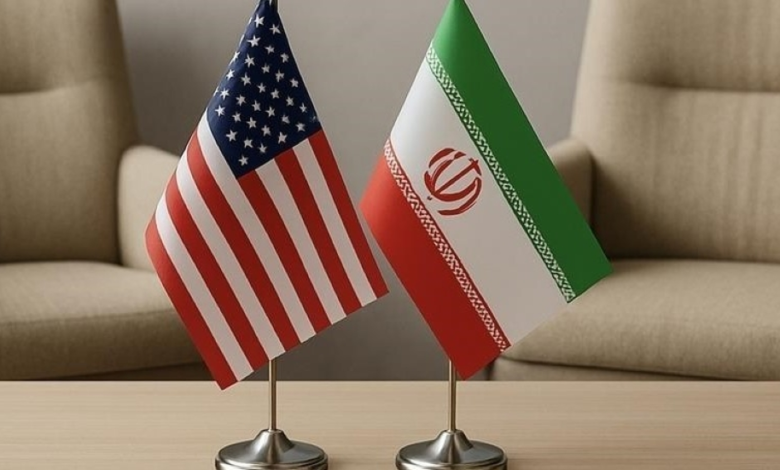

أفاد التلفزيون الرسمي الإيراني بوجود مسودة تفاهم بين طهران وواشنطن، قد تفضي إلى الإفراج عن 12 مليار دولار من الأصول الإيرانية المجمدة في الخارج خلال فترة لا تتجاوز 60 يومًا. هذا التقرير، الذي استند إلى نسخة غير رسمية من النص حسبما ذكر المصدر، يأتي في خضم توترات مستمرة ومفاوضات غير مباشرة تهدف إلى إحياء الاتفاق النووي المبرم عام 2015.
خلفية تاريخية للعقوبات والأصول المجمدة
تعود قضية الأصول الإيرانية المجمدة إلى عقود من العقوبات التي فرضتها الولايات المتحدة ودول أخرى على إيران، لكنها تفاقمت بشكل كبير بعد انسحاب إدارة الرئيس الأمريكي السابق دونالد ترامب من خطة العمل الشاملة المشتركة (الاتفاق النووي) في عام 2018. أدى هذا الانسحاب إلى إعادة فرض عقوبات اقتصادية صارمة ضمن حملة “الضغط الأقصى”، والتي استهدفت قطاعات حيوية مثل النفط والبنوك، مما أدى إلى تجميد عشرات المليارات من الدولارات من عائدات النفط الإيرانية في بنوك أجنبية بدول مثل كوريا الجنوبية والعراق واليابان والصين، خوفًا من العقوبات الأمريكية.
تفاصيل مسودة التفاهم المزعومة
وفقًا لما بثته هيئة الإذاعة والتلفزيون الإيرانية (IRIB)، فإن مسودة التفاهم قيد التفاوض تلزم الولايات المتحدة بمنح إيران حق الوصول الكامل إلى 12 مليار دولار من أصولها. وينص المقترح على إتاحة تحويل هذه الأموال وإنفاقها في البنوك داخل إيران أو في البلدان التي تختارها طهران دون أي قيود. وتعد هذه المسألة نقطة محورية في أي مفاوضات، حيث تسعى إيران للحصول على ضمانات ملموسة برفع العقوبات بشكل فعال يسمح لها بالاستفادة من مواردها المالية لدعم اقتصادها المنهك.
الأهمية الاقتصادية والسياسية المحتملة
يمثل الإفراج عن هذه الأموال، ولو جزئيًا، شريان حياة للاقتصاد الإيراني الذي يعاني من تضخم مرتفع وتدهور في قيمة العملة المحلية. على الصعيد المحلي، يمكن أن تساهم هذه السيولة في استقرار الأسواق وتوفير السلع الأساسية، مما قد يخفف من حدة السخط الشعبي. إقليميًا، يراقب جيران إيران، وخاصة دول الخليج وإسرائيل، هذه التطورات عن كثب، حيث يخشى البعض أن تستخدم طهران هذه الأموال لزيادة تمويل وكلائها في المنطقة. أما دوليًا، فإن أي تقدم في هذا الملف قد يُنظر إليه كبادرة حسن نية تمهد الطريق لمفاوضات أوسع نطاقًا حول البرنامج النووي الإيراني والقضايا الأمنية الأخرى.
الموقف الأمريكي والشكوك المحيطة
على الرغم من التقرير الإيراني، لم يصدر تأكيد رسمي من واشنطن. وغالبًا ما تكون مثل هذه التسريبات الإعلامية جزءًا من استراتيجية التفاوض لكلا الطرفين. وكان البيت الأبيض قد نفى في وقت سابق تقارير مشابهة، مؤكدًا أن أي تخفيف للعقوبات مرتبط بشكل مباشر بعودة إيران إلى الامتثال الكامل لالتزاماتها النووية. كما سبق للرئيس الأمريكي السابق دونالد ترامب أن صرح بأن أي اتفاق لن يتضمن تبادلًا للأموال حتى إشعار آخر، مما يعكس التعقيدات الكبيرة التي تحيط بالملف. وتبقى المفاوضات محفوفة بالتحديات، حيث يمثل انعدام الثقة بين الطرفين العقبة الأكبر أمام التوصل إلى حل دائم.