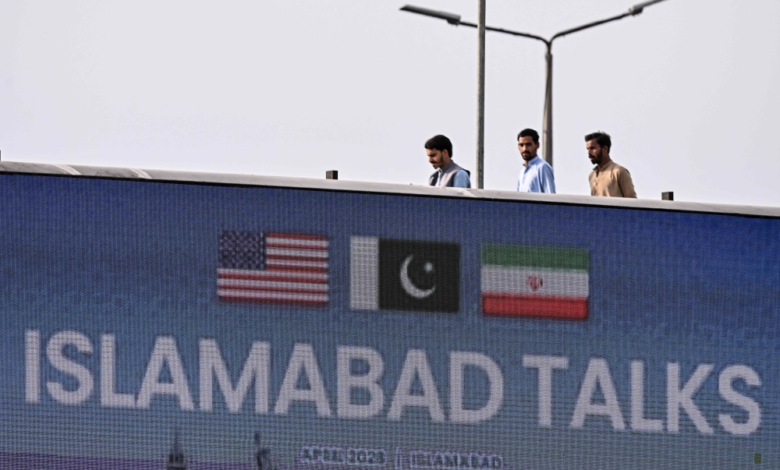

تطورات المفاوضات الأمريكية الإيرانية في إسلام آباد
في تطور بارز على الساحة الدبلوماسية، لم تسفر جولة المفاوضات الأمريكية الإيرانية التي استضافتها العاصمة الباكستانية إسلام آباد عن التوصل إلى اتفاق فوري يضع حداً للتصعيد العسكري الأخير في منطقة الشرق الأوسط. وبعد ماراثون تفاوضي استمر لنحو 21 ساعة متواصلة، أعلن نائب الرئيس الأمريكي، جي دي فانس، أن التوصل إلى تسوية شاملة لا يزال أمراً بعيد المنال في الوقت الراهن، مشيراً إلى أنه قدم للجانب الإيراني ما وصفه بـ “العرض النهائي والأفضل”، ومؤكداً أن الكرة الآن في ملعب طهران لاتخاذ القرار الحاسم.
السياق التاريخي وجذور انعدام الثقة
تأتي هذه المحادثات، التي تُعد من أعلى المستويات الدبلوماسية المباشرة بين الطرفين منذ اندلاع الثورة الإسلامية في إيران عام 1979، في ظل تاريخ طويل من انعدام الثقة والقطيعة السياسية. فقد شهدت العلاقات الثنائية محطات تصعيد كبرى، أبرزها أزمة الرهائن، والانسحاب الأمريكي من الاتفاق النووي (خطة العمل الشاملة المشتركة) في عام 2018، وما تلاه من فرض عقوبات اقتصادية قاسية. وتسعى واشنطن من خلال هذه الجولة إلى الحصول على “التزام أكيد” وموثق من طهران بعدم السعي لتطوير أسلحة نووية، وهو المطلب الذي أكد فانس أنه لم يلمس استجابة واضحة بشأنه خلال الاجتماع.
أهمية مضيق هرمز وتداعيات الصراع على الاقتصاد العالمي
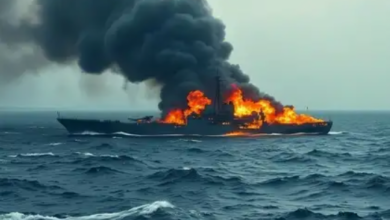
اندلعت شرارة المواجهة الأخيرة في 28 فبراير، مما دفع طهران للرد وأغرق الشرق الأوسط في صراع عسكري استمر 40 يوماً. وقد انعكست تداعيات هذا الصراع بشكل مباشر وحاد على الاقتصاد العالمي، خاصة مع تركز التوترات حول مضيق هرمز الاستراتيجي. يُعد هذا المضيق شرياناً حيوياً للطاقة، حيث يمر عبره نحو خُمس إنتاج النفط العالمي. وأدت المخاوف من إغلاقه أو تفخيخه إلى اضطرابات في أسواق الطاقة، مما دفع الولايات المتحدة إلى تكثيف ضغوطها العسكرية عبر إرسال سفينتين حربيتين لإزالة الألغام التي يُعتقد أن إيران نشرتها في الممر المائي.
الدور الباكستاني ومساعي التهدئة
لعبت باكستان دوراً محورياً في محاولة احتواء الأزمة، حيث نجحت قيادتها في إقناع طرفي النزاع بالجلوس إلى طاولة الحوار. ودعت إسلام آباد كلا من واشنطن وطهران إلى الالتزام الصارم بوقف إطلاق النار المؤقت. وفي هذا السياق، منحت الولايات المتحدة وإسرائيل مهلة مدتها أسبوعان تتوقف خلالها الهجمات على الأراضي الإيرانية، لإفساح المجال أمام القيادة في طهران لدراسة العرض الأمريكي بعناية.
تباين المواقف: بين إعلان النصر والمطالب المبالغ فيها
على الجانب الإيراني، بررت هيئة البث الرسمية (إيريب) انهيار المحادثات بما أسمته “المطالب غير المعقولة والمبالغ فيها” من الجانب الأمريكي، خاصة فيما يتعلق بالترتيبات الأمنية في مضيق هرمز. ومع ذلك، اتسم تصريح المتحدث باسم الخارجية الإيرانية، إسماعيل بقائي، بالواقعية حين أشار إلى أنه من غير المنطقي توقع حل صراع معقد استمر 40 يوماً في جلسة تفاوضية واحدة. في المقابل، تبنى الرئيس الأمريكي دونالد ترامب خطاباً حازماً، مشدداً على أن الولايات المتحدة قد حققت أهدافها الاستراتيجية بالفعل عبر استهداف قادة إيرانيين وتدمير بنى تحتية عسكرية رئيسية، معتبراً أن النصر قد تحقق بغض النظر عن نتائج المفاوضات الحالية.