
تصاعد التوترات في ممرات النفط الحيوية
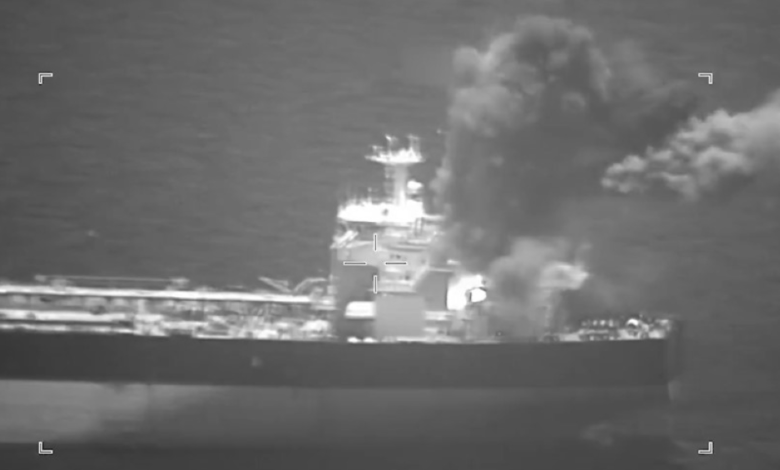
أعلنت القيادة المركزية الأمريكية (CENTCOM) عن تنفيذ عمليات عسكرية دقيقة في خليج عُمان استهدفت ناقلتي نفط ترفعان العلم الإيراني، وذلك في سياق ما وصفته بـ”خرق للحصار البحري المفروض”. ووفقًا للبيان الصادر، قامت مقاتلة من طراز F/A-18 Super Hornet تابعة للبحرية الأمريكية بتوجيه ضربات محددة لتعطيل السفينتين ومنعهما من الوصول إلى السواحل الإيرانية. هذه الحادثة ليست معزولة، بل تأتي كحلقة جديدة في سلسلة طويلة من المواجهات والتوترات بين واشنطن وطهران في الممرات المائية الأكثر أهمية لإمدادات الطاقة العالمية.
خلفية تاريخية للصراع في الخليج
تعود جذور التوتر البحري بين الولايات المتحدة وإيران إلى عقود مضت، وتحديداً بعد الثورة الإيرانية عام 1979. ومنذ ذلك الحين، حافظت الولايات المتحدة على وجود عسكري كبير في المنطقة، ممثلاً بالأسطول الخامس المتمركز في البحرين، بهدف حماية مصالحها وحلفائها وضمان حرية الملاحة. شهدت المنطقة فترات من التصعيد الحاد، أبرزها خلال “حرب الناقلات” في الثمانينيات كجزء من الحرب العراقية الإيرانية. وفي السنوات الأخيرة، تجدد التوتر بشكل كبير بعد انسحاب الولايات المتحدة من الاتفاق النووي عام 2018 وإعادة فرضها للعقوبات الاقتصادية المشددة على طهران، وهو ما دفع إيران إلى اتخاذ مواقف أكثر تحديًا في مياه الخليج.
أهمية مضيق هرمز وتأثيره على الاقتصاد العالمي
يُعد مضيق هرمز، الذي يربط خليج عُمان بالخليج العربي، الشريان الحيوي للاقتصاد العالمي، حيث يمر عبره ما يقرب من خُمس استهلاك النفط العالمي. لطالما هددت إيران بإغلاق هذا الممر الاستراتيجي ردًا على أي ضغوط عسكرية أو اقتصادية، وهو ما تعتبره القوى الدولية خطًا أحمر. أي اضطراب في حركة الملاحة عبر المضيق يؤدي إلى ارتفاع فوري في أسعار النفط العالمية وزيادة تكاليف التأمين على الشحن، مما يلقي بظلاله على استقرار الاقتصاد العالمي. لذلك، فإن أي مواجهة عسكرية في هذه المنطقة، مهما كانت محدودة، تحمل في طياتها خطر التصعيد إلى صراع إقليمي أوسع نطاقًا، مع تداعيات اقتصادية وجيوسياسية وخيمة على الصعيدين الإقليمي والدولي.
تداعيات الحادث وتأثيره المستقبلي
إن استهداف ناقلات النفط الإيرانية يمثل تصعيدًا خطيرًا يرفع منسوب التوتر في منطقة مشتعلة بالفعل. يُنظر إلى هذه الخطوة على أنها رسالة أمريكية حازمة لإيران بأنها لن تتسامح مع أي محاولات لخرق العقوبات أو تهديد الملاحة البحرية. من المتوقع أن ترد إيران على هذا الإجراء، سواء عبر القنوات الدبلوماسية أو من خلال عمليات مماثلة تستهدف سفنًا تجارية تابعة لدول حليفة للولايات المتحدة، مما قد يدخل المنطقة في حلقة مفرغة من الهجمات والهجمات المضادة. يراقب المجتمع الدولي بقلق هذه التطورات، داعيًا الطرفين إلى ضبط النفس وتجنب أي حسابات خاطئة قد تشعل حربًا لا يمكن احتواء عواقبها.