
انطلاق جولة جديدة من الدبلوماسية في إسلام آباد
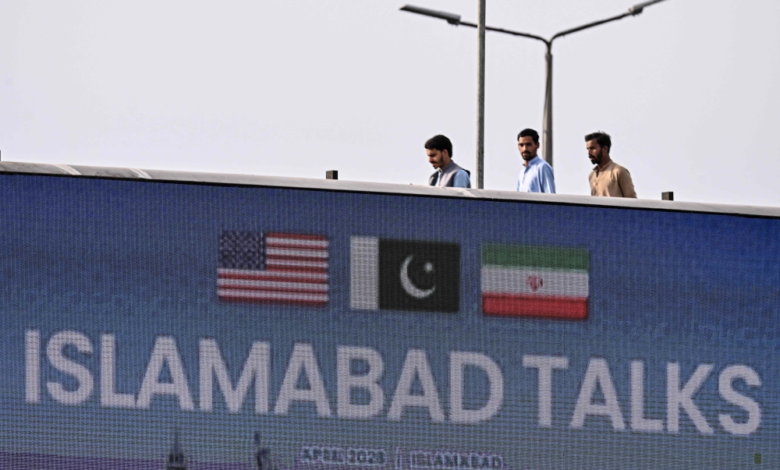
وصل نائب الرئيس الأمريكي جي دي فانس، يوم السبت، إلى العاصمة الباكستانية إسلام آباد، في زيارة رسمية تهدف إلى قيادة وفد الولايات المتحدة في جولة حاسمة من المفاوضات مع الجمهورية الإسلامية الإيرانية. وتأتي هذه الخطوة الدبلوماسية رفيعة المستوى في محاولة جادة لوضع حد للتصعيد العسكري المستمر والحروب الدائرة في منطقة الشرق الأوسط. وقد كان في استقبال فانس لدى وصوله إلى قاعدة نور خان الجوية، القريبة من إسلام آباد، قائد الجيش الباكستاني الجنرال عاصم منير، مما يعكس الأهمية الاستراتيجية والأمنية البالغة لهذه المحادثات، وفقاً لما أفادت به وكالة فرانس برس.
تشكيلة الوفد الإيراني وأهمية الملفات المطروحة
في المقابل، وصل إلى إسلام آباد وفد إيراني رفيع المستوى يضم نخبة من كبار المسؤولين، استعداداً لخوض هذه المحادثات التي توصف بالمصيرية. وذكر التلفزيون الرسمي الإيراني أن الوفد يترأسه رئيس مجلس الشورى الإسلامي (البرلمان) محمد باقر قالیباف، يرافقه وزير الخارجية المخضرم عباس عراقجي، بالإضافة إلى مجموعة من كبار المسؤولين الأمنيين والاقتصاديين. هذا التشكيل المتنوع يشير بوضوح إلى شمولية الملفات المطروحة على طاولة الحوار، والتي تتجاوز الشق السياسي لتشمل الأبعاد الأمنية والاقتصادية المعقدة التي تهم كلا البلدين.
السياق التاريخي والدور الباكستاني المحوري
تأتي هذه المفاوضات في ظل سياق تاريخي بالغ التعقيد، حيث انقطعت العلاقات الدبلوماسية المباشرة بين واشنطن وطهران منذ عام 1980 عقب أزمة الرهائن الشهيرة. ومنذ ذلك الحين، غالباً ما تعتمد الدولتان على وسطاء دوليين أو دول ثالثة محايدة لإجراء محادثات غير مباشرة. وتلعب باكستان في هذا المشهد دوراً محورياً، مستفيدة من تحالفاتها الاستراتيجية مع الولايات المتحدة من جهة، وحدودها المشتركة وعلاقاتها التاريخية مع إيران من جهة أخرى، لتوفير أرضية محايدة ومناسبة لمثل هذه اللقاءات الحساسة التي قد ترسم ملامح المرحلة المقبلة.
الشروط الإيرانية المسبقة وتداعياتها الإقليمية
وقد جددت طهران، عبر وسائل إعلامها الرسمية، التأكيد على موقفها الثابت بأن أي محادثات مع الولايات المتحدة لن تُعقد إلا إذا أبدت واشنطن استعداداً حقيقياً لتلبية شروطها المسبقة. وفي هذا السياق، وضع محمد باقر قالیباف شرطين أساسيين قبل بدء أي تفاوض فعلي مع الوفد الأمريكي الذي يقوده جي دي فانس: الأول يتمثل في فرض وقف فوري وشامل لإطلاق النار في لبنان، والثاني هو الإفراج الفوري عن الأصول والأموال الإيرانية المجمدة في الخارج.
وتكتسب هذه الشروط أهمية كبرى في الحسابات الإقليمية والدولية؛ فالحرب الدائرة في الشرق الأوسط، وتحديداً التصعيد الأخير في لبنان وغزة، يهدد بانزلاق المنطقة بأكملها إلى حرب إقليمية واسعة النطاق. وترى إيران أن وقف إطلاق النار في لبنان يمثل ضرورة استراتيجية. من جهة أخرى، يمثل الإفراج عن الأصول المجمدة، والتي تقدر بمليارات الدولارات والمحتجزة بسبب العقوبات الأمريكية الصارمة، طوق نجاة للاقتصاد الإيراني الذي يعاني بشدة. إن نجاح هذه المفاوضات سيكون له تداعيات عميقة على الاستقرار الجيوسياسي والاقتصادي في الشرق الأوسط وأمن الملاحة العالمية.