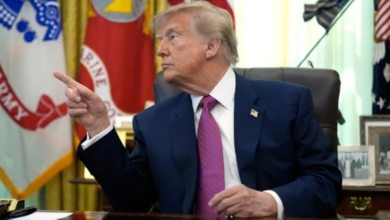

أعلن نائب الرئيس الأمريكي، جي دي فانس، مغادرته العاصمة الباكستانية إسلام آباد بعد جولة مكثفة من المباحثات، مؤكداً أن الولايات المتحدة لم تتوصل إلى اتفاق نهائي مع طهران بشأن برنامجها النووي. وتأتي هذه التطورات بعد سلسلة من اللقاءات المعقدة التي استضافتها باكستان في محاولة لتقريب وجهات النظر بين واشنطن وطهران، وسط ترقب دولي وإقليمي واسع لنتائج هذه الحوارات الحساسة.
تفاصيل العرض الأمريكي الأخير والموقف الإيراني
في تصريحات صحفية حاسمة، أوضح فانس أنه قدم ما وصفه بـ “أفضل عرض ممكن ونهائي” للجانب الإيراني، مشيراً إلى أن نقطة الخلاف الجوهرية تكمن في عدم حصول واشنطن على “التزام أكيد” وصريح من طهران بوقف مساعيها نحو امتلاك أو تطوير الأسلحة النووية. هذا الموقف يعكس استمرار فجوة الثقة العميقة بين البلدين. وفي المقابل، أفادت وسائل الإعلام الإيرانية الرسمية بأن محادثات السلام والمفاوضات الماراثونية التي استمرت لقرابة 15 ساعة متواصلة لم تُغلق أبوابها تماماً، حيث من المتوقع أن تُستأنف جولات أخرى في وقت لاحق من يوم الأحد، مما يترك باباً موارباً للدبلوماسية.
السياق التاريخي لأزمة الاتفاق النووي
لفهم أبعاد هذه الجولة من مفاوضات أمريكا وإيران، يجب العودة إلى السياق التاريخي للأزمة. فمنذ انسحاب الولايات المتحدة أحادي الجانب من خطة العمل الشاملة المشتركة (الاتفاق النووي) في عام 2018، توالت العقوبات الاقتصادية القاسية على طهران، والتي ردت بدورها بتقليص التزاماتها النووية وزيادة نسب تخصيب اليورانيوم. ومنذ ذلك الحين، جرت محاولات عديدة بوساطات مختلفة، سواء عبر دول أوروبية أو إقليمية مثل عُمان وقطر، والآن تبرز باكستان كساحة جديدة لهذه الجهود الدبلوماسية المعقدة، نظراً لموقعها الجيوسياسي وعلاقاتها المتقاطعة مع كلا الطرفين.
التأثيرات المتوقعة محلياً وإقليمياً ودولياً
يحمل تعثر هذه المحادثات تداعيات بالغة الأهمية على عدة أصعدة. على الصعيد الإقليمي، يثير غياب الاتفاق مخاوف من تصعيد التوترات في منطقة الشرق الأوسط، خاصة في الممرات المائية الاستراتيجية مثل مضيق هرمز، حيث سبق وأن هدد الحرس الثوري الإيراني بالتعامل بحزم مع السفن الحربية الأجنبية، وهو ما ينعكس مباشرة على أمن الملاحة البحرية وحركة التجارة العالمية. أما على الصعيد الدولي، فإن استمرار حالة اللاحسم يبقي أسواق الطاقة العالمية في حالة تذبذب، فضلاً عن تأثيره السلبي على جهود حظر الانتشار النووي العالمية. محلياً، تسعى باكستان من خلال استضافة هذه المحادثات إلى تعزيز مكانتها الدبلوماسية كصانع سلام إقليمي، ومحاولة تخفيف التوتر على حدودها الغربية مع إيران.
في الختام، يبقى المشهد السياسي مفتوحاً على كافة الاحتمالات. فبينما تلوح واشنطن بورقة “العرض النهائي”، تراهن طهران على عامل الوقت واستمرار جولات التفاوض لتحسين شروطها، مما يجعل الساعات والأيام القليلة القادمة حاسمة في تحديد مسار العلاقات الأمريكية الإيرانية ومستقبل الأمن والاستقرار في المنطقة.