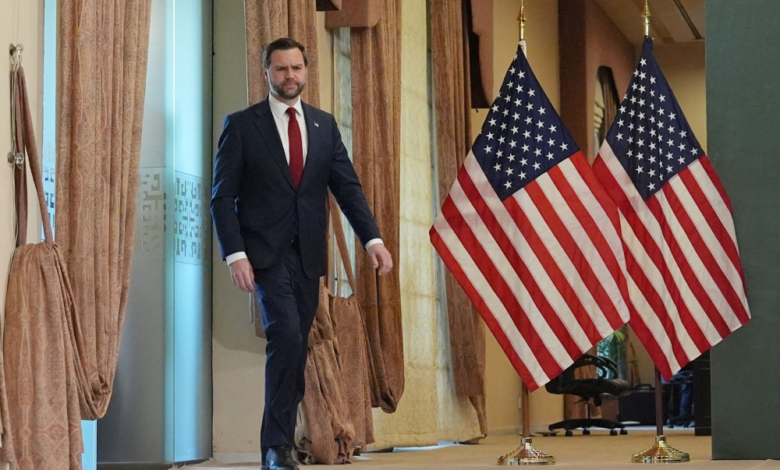

كشف نائب الرئيس الأمريكي، جاي دي فانس، عن تفاصيل جديدة ومهمة تتعلق بمسار المحادثات الحالية مع إيران، مؤكداً أن الجهود الدبلوماسية تحرز تقدماً ملموساً وجيداً. ومع ذلك، وجهت الإدارة الأمريكية رسالة حازمة مفادها أن واشنطن تقف على أهبة الاستعداد لاستئناف العمليات العسكرية في حال تعثرت المفاوضات ولم يتم التوصل إلى اتفاق نهائي يرضي جميع الأطراف.
تصريحات حاسمة ومهلة زمنية
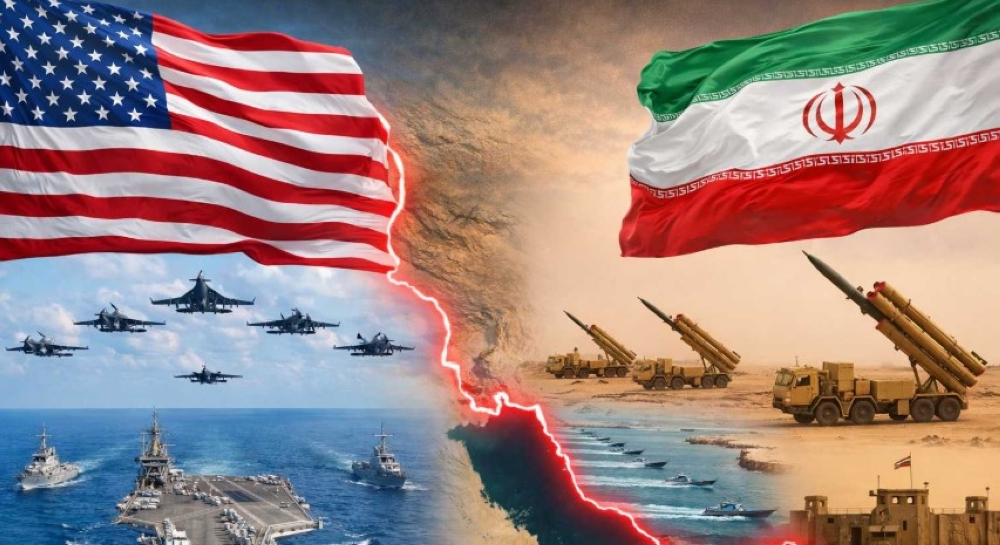
جاءت تصريحات فانس خلال مؤتمر صحفي عُقد في البيت الأبيض يوم الثلاثاء، وذلك بعد ساعات قليلة من تصريحات لافتة أدلى بها الرئيس الأمريكي دونالد ترامب. وأوضح ترامب في حديثه أنه كان قاب قوسين أو أدنى من إصدار أوامر بشن ضربات عسكرية جديدة ضد أهداف إيرانية، مشيراً إلى أنه منح طهران مهلة زمنية قصيرة تتراوح بين “يومين أو ثلاثة أيام” للتوصل إلى اتفاق حاسم يجنب المنطقة تصعيداً عسكرياً غير محمود العواقب.
وفي هذا السياق، صرح نائب الرئيس الأمريكي قائلاً: “يتم إحراز تقدم جيد في المحادثات مع إيران، لكننا سنواصل العمل بجدية. وفي النهاية، إما أن نتوصل إلى اتفاق شامل، أو لن نتوصل إليه على الإطلاق”.
السياق التاريخي للعلاقات الأمريكية الإيرانية
لفهم طبيعة هذه التوترات، يجب النظر إلى السياق التاريخي المعقد للعلاقات بين واشنطن وطهران. فقد شهدت العقود الماضية سلسلة من الأزمات المتتالية، بلغت ذروتها مع انسحاب الولايات المتحدة من الاتفاق النووي الإيراني في عام 2018، وتطبيق استراتيجية “الضغوط القصوى”. هذه الاستراتيجية هدفت إلى تقليص النفوذ الإقليمي لإيران ومنعها من تطوير برنامجها النووي، مما أدى إلى تصاعد التوترات في منطقة الخليج العربي والشرق الأوسط بشكل عام، وجعل أي محادثات جديدة محط أنظار العالم.
الموقف من السلاح النووي والخيارات المطروحة
يُعرف جاي دي فانس بأنه من الشخصيات السياسية المشككة في الجدوى الاستراتيجية لشن حرب شاملة ضد إيران. وفي إطار مساعيه الدبلوماسية، كان قد ترأس وفداً أمريكياً إلى باكستان في شهر أبريل الماضي لإجراء محادثات غير مباشرة لم تسفر حينها عن اتفاق نهائي. وشدد فانس في تصريحاته الأخيرة على نقطة جوهرية، وهي أن على القيادة الإيرانية أن تتقبل حقيقة قاطعة مفادها أنها لا تستطيع، ولن يُسمح لها، بامتلاك سلاح نووي تحت أي ظرف من الظروف.
التأثيرات الإقليمية والدولية المتوقعة
تحمل هذه التطورات أهمية قصوى على المستويين الإقليمي والدولي. فمن الناحية الإقليمية، يراقب حلفاء واشنطن في الشرق الأوسط هذه المحادثات عن كثب، حيث أن أي اتفاق أو تصعيد عسكري سينعكس مباشرة على أمن واستقرار المنطقة، التي تعد الشريان الرئيسي لإمدادات الطاقة العالمية. أما على الصعيد الدولي، فإن أي صراع عسكري قد يؤدي إلى اضطرابات واسعة في الأسواق العالمية، فضلاً عن تأثيره المباشر على جهود منع الانتشار النووي التي تدعمها القوى الكبرى.
واختتم نائب الرئيس الأمريكي تصريحاته بتأكيد الموقف المزدوج للإدارة الأمريكية، قائلاً: “نحن في وضع جيد دبلوماسياً، لكن هناك خياراً ثانياً مطروحاً بقوة على الطاولة، وهو استئناف الحملة العسكرية. نحن في حالة جاهزية كاملة. لا نريد أن نسلك هذا المسار العسكري، لكن الرئيس مستعد وقادر تماماً على المضي فيه إذا اقتضى الأمر لحماية مصالحنا القومية”.