
في تطور دبلوماسي لافت وسط أجواء مشحونة بالتوتر في منطقة الشرق الأوسط، وصف وزير الخارجية الإيراني، عباس عراقجي، جولة المحادثات غير المباشرة التي أجريت مع الولايات المتحدة الأمريكية في سلطنة عمان بأنها جرت في "أجواء إيجابية للغاية". وتأتي هذه التصريحات لتعطي بصيص أمل في إمكانية خفض التصعيد، رغم التحشيد العسكري المستمر في مياه الخليج.
تفاصيل المباحثات والخطوط الحمراء
أكد عراقجي في تصريحات للتلفزيون الإيراني الرسمي أن الوفدين تبادلا الحجج ووجهات النظر بشكل بناء، مما أفضى إلى اتفاق مبدئي على مواصلة المسار التفاوضي. ومع ذلك، أوضح الوزير الإيراني أن تحديد توقيت وآليات الجولات القادمة سيتم اتخاذه لاحقاً بعد التشاور مع القيادات في العاصمتين. وشدد عراقجي، وفقاً لما نقلته وكالة الأنباء الإيرانية (إرنا)، على نقطة جوهرية تمثل ركيزة الموقف الإيراني، وهي حصر المحادثات في "الملف النووي" فقط، رافضاً بشكل قاطع مناقشة أي ملفات أخرى، في إشارة واضحة إلى المطالب الأمريكية المتعلقة ببرنامج طهران الصاروخي ونفوذها الإقليمي.
الدور العماني وسياق الوساطة
لا يمكن فصل هذه المحادثات عن الدور التاريخي الذي تلعبه سلطنة عمان كوسيط موثوق بين طهران والغرب. فمسقط، التي استضافت هذه الجولة يوم الجمعة، كانت دائماً القناة الخلفية التي مهدت الطريق للاتفاق النووي لعام 2015. وتكتسب هذه الجولة أهمية خاصة كونها تأتي في وقت تسعى فيه الأطراف الدولية لمنع انزلاق المنطقة نحو مواجهة مفتوحة، حيث تحاول الدبلوماسية العمانية تقريب وجهات النظر رغم الفجوة الكبيرة في مطالب الطرفين.
دبلوماسية تحت ضغط البوارج
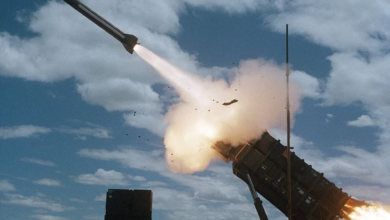
تجري هذه المحاولات الدبلوماسية في ظل تناقض صارخ مع الواقع الميداني والسياسي؛ إذ تتزامن المحادثات مع قيام الولايات المتحدة بنشر قوة بحريّة ضاربة في منطقة الخليج، في رسالة ردع واضحة. كما تأتي في وقت يواصل فيه الرئيس الأمريكي دونالد ترامب ممارسة سياسة "الضغوط القصوى"، ملوحاً بتدخل عسكري ومستغلاً الاحتجاجات الداخلية التي شهدتها إيران مؤخراً للضغط على النظام السياسي في طهران.
مستقبل المسار التفاوضي
يرى مراقبون أن وصف المحادثات بالإيجابية يعد خطوة أولى، لكن الطريق لا يزال طويلاً ومعقداً. فبينما تأمل طهران في أن تكف واشنطن عن لغة التهديد لتمكين المباحثات من الاستمرار، تصر الإدارة الأمريكية على ضرورة معالجة كافة الهواجس الأمنية بما فيها الصواريخ الباليستية، وهو ما ترفضه إيران جملة وتفصيلاً، مما يجعل الجولات القادمة اختباراً حقيقياً لنوايا الطرفين في التوصل لحل سلمي.