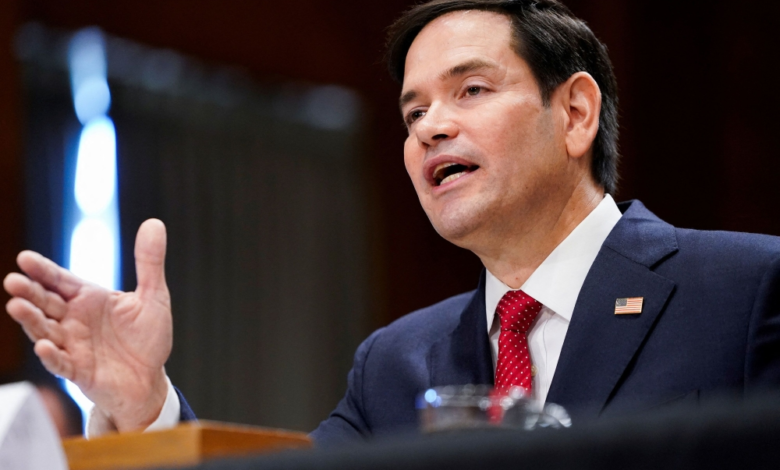

في تطور لافت على الساحة السياسية الدولية، كشف وزير الخارجية الأمريكي، ماركو روبيو، عن وجود مؤشرات إيجابية ومبشرة بشأن المحادثات الدبلوماسية الهادفة إلى إنهاء حالة التوتر والصراع مع إيران. وتأتي هذه التصريحات في وقت حساس تشهده منطقة الشرق الأوسط، حيث تترقب الأوساط السياسية والاقتصادية مسار الجهود الدبلوماسية التي ستتكشف تفاصيلها خلال الأيام القليلة المقبلة، مما قد يمهد الطريق لمرحلة جديدة من الاستقرار الإقليمي.
استراتيجية ترامب: الدبلوماسية خيار مفضل مع بقاء الردع العسكري
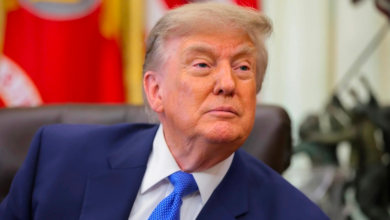
وأوضح روبيو في تصريحات صحفية أن الرئيس الأمريكي دونالد ترامب لا يزال يفضل اللجوء إلى الحلول الدبلوماسية والتوصل إلى اتفاق شامل مع طهران. ومع ذلك، شدد الوزير على أن الخيار العسكري لا يزال مطروحاً على الطاولة كأداة ردع استراتيجية. وبالنظر إلى السياق التاريخي، فإن العلاقات الأمريكية الإيرانية شهدت منعطفات حادة، لا سيما بعد انسحاب واشنطن من الاتفاق النووي في عام 2018 وتطبيق سياسة الضغوط القصوى. اليوم، تبدو الإدارة الأمريكية منفتحة على التفاوض، لكن بشروط تضمن الأمن القومي الأمريكي واستقرار حلفائها في المنطقة، مما يعكس توازناً دقيقاً بين الدبلوماسية والردع.
الوساطة الباكستانية: دور محوري في تقريب وجهات النظر
وفي سياق متصل، برز دور إسلام آباد كلاعب إقليمي مهم في هذه الأزمة. فقد أعرب وزير الخارجية الأمريكي عن أمله الكبير في أن تسهم الوساطة الباكستانية في دفع عجلة المحادثات إلى الأمام. وتكتسب هذه الوساطة زخمها من الزيارة المرتقبة لقائد الجيش الباكستاني، الجنرال عاصم منير، إلى العاصمة الإيرانية طهران. وتاريخياً، تمتلك باكستان حدوداً مشتركة مع إيران وعلاقات استراتيجية مع الولايات المتحدة، مما يؤهلها للعب دور الوسيط القادر على نقل الرسائل وتخفيف حدة التوتر بين الطرفين، وهو ما ينعكس إيجاباً على أمن منطقة جنوب آسيا والشرق الأوسط.
مضيق هرمز: خط أحمر وأهمية دولية قصوى
من أبرز النقاط التي تطرق إليها روبيو في تصريحاته هي مسألة أمن الملاحة البحرية. فقد حذر بشدة من أن إقدام طهران على فرض أي رسوم عبور في مضيق هرمز سيجعل من المستحيل التوصل إلى أي اتفاق سياسي. وتعود أهمية مضيق هرمز إلى كونه أحد أهم الممرات المائية الاستراتيجية في العالم، حيث يمر عبره نحو خُمس استهلاك العالم من النفط الخام. إن حرية الملاحة في هذا المضيق ليست مجرد شأن إقليمي، بل هي مسألة أمن قومي عالمي، وأي تهديد بتقييد الحركة فيه سيؤدي إلى تداعيات كارثية على أسعار الطاقة والاقتصاد العالمي بأسره.
التأثير المتوقع للجهود الدبلوماسية
إن نجاح هذه المحادثات سيحمل تأثيرات عميقة على مستويات عدة. إقليمياً، سيساهم في تهدئة بؤر التوتر في الشرق الأوسط، مما يمنح دول المنطقة فرصة للتركيز على التنمية. أما دولياً، فإن التوصل إلى اتفاق يضمن حرية الملاحة سيعزز من استقرار الأسواق العالمية ويبعد شبح الصراعات المفتوحة. وتبقى الأيام القادمة حاسمة في تحديد ما إذا كانت هذه المؤشرات الإيجابية ستترجم إلى واقع ملموس.