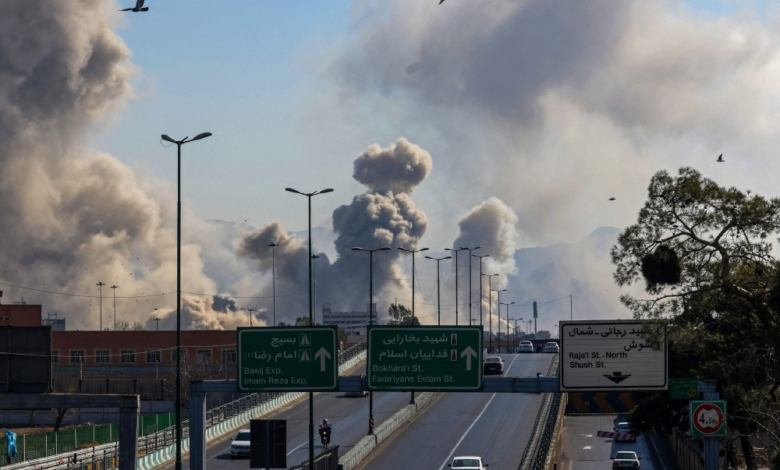

في تطور خطير ينذر بتوسيع رقعة الصراع في منطقة الشرق الأوسط، كشفت وسائل إعلام إيرانية عن وجود خطة أمريكية إسرائيلية مشتركة تتألف من 8 مراحل تهدف إلى تصعيد الحرب مع إيران. هذا التطور المفاجئ، الذي نقلته قناة “العربية”، يتزامن مع أحداث ميدانية متسارعة وتوترات أمنية غير مسبوقة تشهدها العاصمة الإيرانية.
انفجارات طهران وتفعيل الدفاعات الجوية
على الصعيد الميداني، أفاد مراسلو وكالة “فرانس برس” بسماع دوي سلسلة من الانفجارات الجديدة التي هزت العاصمة الإيرانية طهران في الساعات الماضية. ووفقاً للتقارير الأولية، فقد وقع انفجاران قويان على الأقل في المناطق الشمالية من طهران، مما أثار حالة من الاستنفار الأمني الواسع. وفي استجابة فورية لهذه التطورات، أعلنت السلطات العسكرية عن تفعيل أنظمة الدفاعات الجوية في شمال شرق العاصمة الإيرانية للتصدي لأي تهديدات جوية محتملة، وسط تكتم رسمي حول طبيعة الأهداف التي تم استهدافها أو حجم الخسائر الناجمة عن هذه الحوادث.
السياق التاريخي للصراع الإسرائيلي الإيراني
لا يمكن قراءة هذه التطورات بمعزل عن السياق التاريخي لما يُعرف بـ “حرب الظل” الممتدة لسنوات بين إسرائيل وإيران. فلطالما تبادل الطرفان الاتهامات والضربات غير المباشرة عبر هجمات سيبرانية، وعمليات اغتيال استهدفت علماء نوويين إيرانيين، بالإضافة إلى استهداف متبادل للسفن التجارية في المياه الإقليمية. وقد اتخذ هذا الصراع منحنى أكثر خطورة وعلنية في الآونة الأخيرة، خاصة بعد اندلاع حرب غزة في أكتوبر الماضي، وما تلاها من تصعيد شمل تبادلاً مباشراً للضربات الصاروخية والطائرات المسيرة بين طهران وتل أبيب، مما كسر قواعد الاشتباك التقليدية التي كانت سائدة لعقود طويلة.
تفاصيل وتداعيات خطة التصعيد المكونة من 8 مراحل
تشير التقارير إلى أن الخطة الأمريكية الإسرائيلية المزعومة تهدف إلى شل القدرات العسكرية والاقتصادية لطهران بشكل تدريجي. ورغم عدم الكشف عن التفاصيل الدقيقة لكل مرحلة من المراحل الثمانية، إلا أن المحللين العسكريين يرجحون أنها تتضمن تكثيف الضربات الجوية على البنية التحتية الحيوية، وتشديد الخناق الاقتصادي، واستهداف شبكات حلفاء إيران في المنطقة.
التأثيرات المتوقعة لتصعيد الحرب مع إيران
يحمل هذا التصعيد المحتمل تداعيات كارثية على مستويات عدة:
- على المستوى المحلي: سيؤدي أي هجوم واسع النطاق إلى تفاقم الأزمة الاقتصادية الخانقة التي تعيشها إيران بالفعل جراء العقوبات الدولية، فضلاً عن احتمالية تدمير منشآت حيوية وعسكرية حساسة، مما قد يؤثر بشدة على الاستقرار الداخلي.
- على المستوى الإقليمي: يُنذر التصعيد بإشعال حرب إقليمية شاملة قد تجر إليها دول الجوار. كما أن أمن الملاحة في الخليج العربي ومضيق هرمز سيكون تحت تهديد مباشر، مما يضع أمن الطاقة العالمي في خطر حقيقي، ناهيك عن احتمالية تحرك الفصائل المسلحة الموالية لإيران في لبنان واليمن والعراق لفتح جبهات جديدة.
- على المستوى الدولي: من شأن اندلاع مواجهة شاملة أن يؤدي إلى ارتفاع جنوني في أسعار النفط العالمية، مما يهدد الاقتصاد العالمي الهش. علاوة على ذلك، فإن الانخراط الأمريكي المباشر في الصراع قد يستدعي تدخل قوى دولية أخرى، مما يحول الصراع الإقليمي إلى أزمة جيوسياسية عالمية معقدة.
في الختام، تبقى الأوضاع في الشرق الأوسط مفتوحة على كافة الاحتمالات، في ظل استمرار التحشيد العسكري والتهديدات المتبادلة. وتتجه أنظار المجتمع الدولي بقلق بالغ نحو طهران وتل أبيب وواشنطن، وسط دعوات متكررة لضبط النفس وتجنب الانزلاق نحو هاوية حرب مدمرة لن يقتصر تأثيرها على المنطقة فحسب، بل سيمتد ليشمل العالم بأسره.