
تصعيد خطير: ضربات أمريكية إسرائيلية على مطار الأهواز
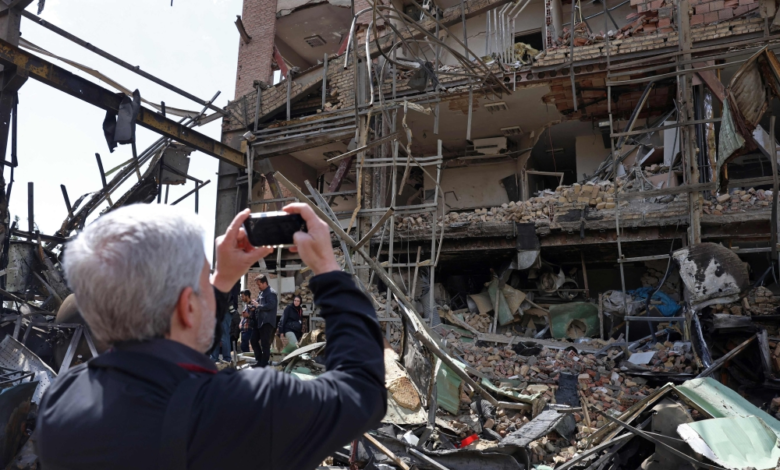
في تطور أمني وعسكري لافت يعكس حجم التوترات المتصاعدة في منطقة الشرق الأوسط، أفادت وكالة الأنباء الإيرانية الرسمية (إرنا) بتعرض مطار في مدينة الأهواز، الواقعة بجنوب غرب الجمهورية الإسلامية الإيرانية، لهجوم جوي. وتأتي هذه الحادثة لتضيف فصلاً جديداً إلى سلسلة المواجهات المباشرة وغير المباشرة بين طهران من جهة، وواشنطن وتل أبيب من جهة أخرى.
ونقلت الوكالة الرسمية تصريحات هامة عن نائب محافظ خوزستان، ولي الله حياتي، الذي أكد بوضوح أن “مطار الشهيد (قاسم) سليماني الدولي استُهدف بغارة جوية نفذتها القوات الأمريكية الصهيونية”. هذا التصريح الرسمي يضع المنطقة أمام سيناريوهات معقدة، خاصة مع استهداف بنية تحتية حيوية تحمل اسم أحد أبرز القادة العسكريين الإيرانيين.
هجمات مضادة: استهداف منشآت دبلوماسية أمريكية في العراق
على الجانب الآخر من الحدود، وفي تزامن يعكس ترابط الساحات الإقليمية، شهد العراق تصعيداً موازياً. فقد أعلنت سفارة الولايات المتحدة الأمريكية في العاصمة بغداد أن فصائل عراقية مسلحة توصف بأنها موالية لإيران، نفذت ليل السبت الأحد هجومين منفصلين استهدفا منشآت دبلوماسية أمريكية داخل الأراضي العراقية.
وفي بيان رسمي شديد اللهجة صدر يوم الأحد، صرح متحدث باسم السفارة الأمريكية قائلاً: “نفذت ميليشيات إرهابية عراقية موالية لإيران هجومين شنيعين آخرين على منشآت دبلوماسية أمريكية في العراق خلال الليلة الماضية، في محاولة لاغتيال دبلوماسيين أمريكيين”. هذا التطور يشير إلى تحول خطير في قواعد الاشتباك، حيث يتم استهداف البعثات الدبلوماسية بشكل مباشر.
السياق العام والخلفية التاريخية للحدث
لفهم أبعاد هذه التطورات، يجب النظر إلى السياق التاريخي والجغرافي. تقع مدينة الأهواز في محافظة خوزستان الغنية بالنفط والمحاذية للحدود العراقية، وهي منطقة ذات أهمية استراتيجية واقتصادية قصوى لإيران. كما أن إطلاق اسم “قاسم سليماني” على المطار المستهدف يحمل دلالات رمزية كبيرة، حيث اغتيل قائد فيلق القدس السابق بغارة أمريكية قرب مطار بغداد مطلع عام 2020، وهو الحدث الذي أسس لمرحلة جديدة من العداء المفتوح.
تاريخياً، تدير إسرائيل والولايات المتحدة “حرب ظل” طويلة الأمد ضد طهران، شملت هجمات سيبرانية، واغتيالات لعلماء نوويين، وضربات جوية استهدفت قوافل أسلحة وميليشيات تابعة لإيران في سوريا والعراق. ومع اندلاع الصراعات الأخيرة في المنطقة وتوسعها لتشمل جبهات متعددة، انتقلت هذه المواجهات من الظل إلى العلن بشكل تدريجي ومقلق.
أهمية الحدث وتأثيره المتوقع محلياً وإقليمياً ودولياً
على المستوى المحلي الإيراني، تمثل هذه الضربات اختراقاً أمنياً كبيراً يفرض تحديات على منظومة الدفاع الجوي الإيرانية، وقد يدفع طهران لاتخاذ إجراءات أمنية وعسكرية صارمة لحماية منشآتها الحيوية، خاصة في المناطق الحدودية الحساسة مثل خوزستان.
إقليمياً، يُنذر هذا التصعيد المزدوج (في إيران والعراق) بانزلاق المنطقة نحو مواجهة شاملة. فاستخدام الأراضي العراقية كساحة لتصفية الحسابات يضعف استقرار العراق سياسياً وأمنياً، ويضع حكومته في موقف حرج بين حليفيها المتنازعين: واشنطن وطهران. كما أن استمرار الفصائل المسلحة في استهداف المصالح الأمريكية قد يستدعي رداً عسكرياً أمريكياً أوسع نطاقاً داخل العراق أو سوريا.
أما على الصعيد الدولي، فإن استهداف مناطق قريبة من منابع النفط الإيرانية، وتصاعد التوتر في الممرات الملاحية والجوية في الشرق الأوسط، يلقي بظلاله الثقيلة على أسواق الطاقة العالمية. أي تهديد لاستقرار إمدادات النفط من الخليج العربي سيؤدي حتماً إلى تقلبات حادة في الأسعار، مما يؤثر على الاقتصاد العالمي الذي يعاني بالفعل من أزمات تضخمية. علاوة على ذلك، فإن هذه الأحداث تعقد أي جهود دبلوماسية دولية تهدف إلى التهدئة وإرساء الاستقرار في المنطقة.