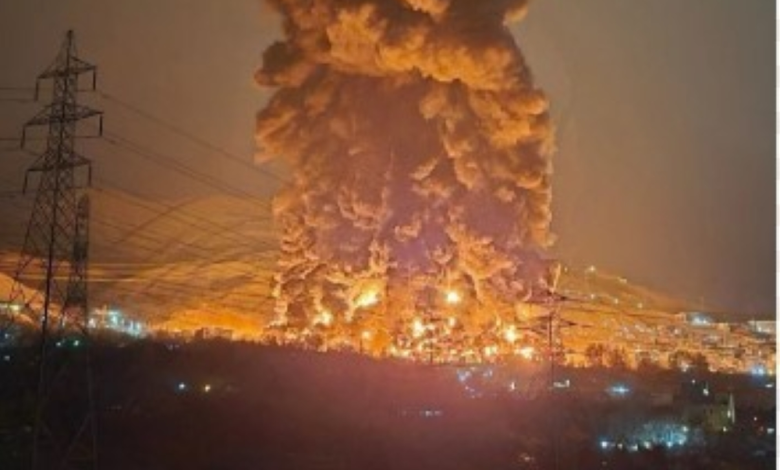

New escalation: US-Israeli airstrikes target energy facilities in Iran
In a dangerous development reflecting escalating tensions in the Middle East, vital energy facilities in Iran were targeted by airstrikes early Tuesday morning. According to reports, joint US-Israeli strikes targeted strategic sites, raising serious questions about the future of regional stability and the impact on global energy markets.
Details of the targeting in Isfahan and Khorramshahr
The Iranian news agency Fars, the only official source to report details of the incident, stated that the attacks targeted a gas management building and a gas pressure reduction station located on Kaveh Street in the central city of Isfahan. The agency confirmed that the facility sustained partial damage. The attack was not limited to Isfahan; it also targeted a gas pipeline belonging to the Khorramshahr power plant in southwestern Iran. The agency quoted the governor of the city, which borders Iraq, as saying that a projectile struck the vicinity of the gas pipeline processing station. The full extent of the damage from this double attack has not yet been determined.
Historical context and strategic importance
These strikes come within the context of a long-standing “shadow war” between Tehran on one side, and Washington and Tel Aviv on the other. Historically, Iran has been subjected to numerous cyberattacks and acts of sabotage targeting its infrastructure, particularly its nuclear and military facilities. However, the shift toward direct and overt targeting of energy facilities represents a qualitative escalation. Isfahan, home to sensitive nuclear and military installations, is considered the industrial heart of Iran, and targeting its gas infrastructure aims to cripple its economy and send a strong deterrent message. The targeting of Khorramshahr, on the other hand, carries geographical significance due to its proximity to the Iraqi border and energy production areas.
Trump's statements and the Strait of Hormuz crisis
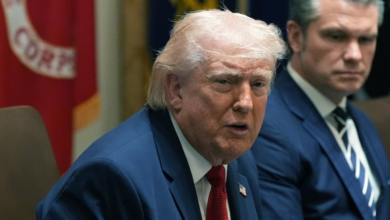
These developments on the ground coincided with heightened political rhetoric. US President Donald Trump announced a five-day postponement of strikes against Iranian power plants and other infrastructure, stipulating that Tehran must cease any actions that disrupt maritime traffic and keep the Strait of Hormuz open. The Strait of Hormuz is one of the world's most strategic waterways, through which approximately one-fifth of the world's daily oil supply passes. Any threat to close the strait or disrupt navigation there would trigger a global energy crisis and an unprecedented surge in oil prices, which explains the intense US pressure on this issue.
Negotiations between denial and confirmation
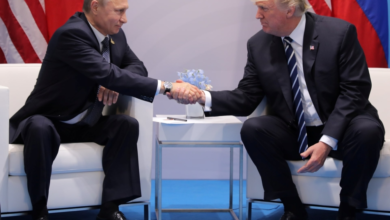
On the diplomatic front, Trump indicated that Washington and Tehran had reached “key points of agreement” during negotiations with a high-ranking Iranian official, clarifying that this official was not the new Supreme Leader, Mojtaba Khamenei. In contrast, Iranian Parliament Speaker Mohammad Bagher Ghalibaf quickly denied any direct negotiations with the United States. However, the Iranian Foreign Ministry acknowledged receiving “messages from friendly countries” containing American requests for talks. This discrepancy reflects the internal divisions within Iran and its historical reliance on regional intermediaries to convey messages during times of crisis.
Expected impact and future repercussions
These airstrikes are expected to have profound repercussions on several levels. Domestically, damage to gas and electricity facilities could lead to energy supply crises for Iranian citizens and factories. Regionally, this escalation raises the alert level in neighboring countries, amid fears of retaliatory attacks targeting American or allied interests in the region. Internationally, the continued tension is placing immense pressure on global financial and energy markets, making the coming days crucial in determining the course of the conflict: either a slide into full-blown confrontation or a return to indirect negotiations to contain the situation.