
القيادة المركزية الأمريكية تعلن نتائج عملياتها البحرية
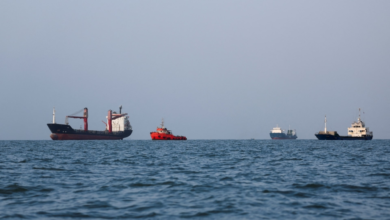
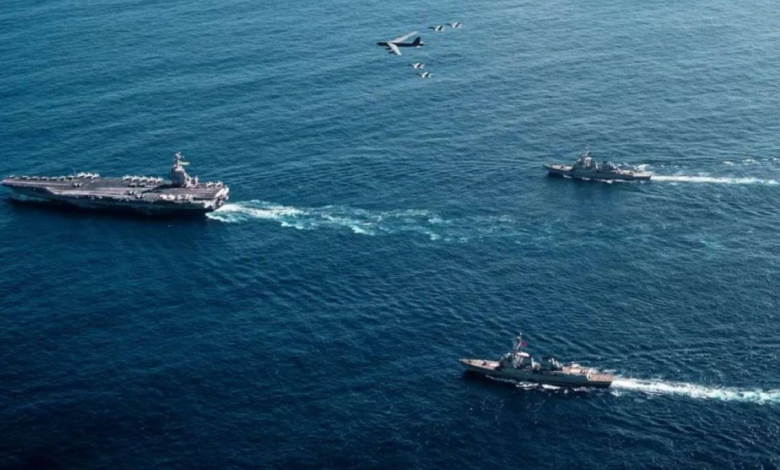
أعلنت القيادة المركزية للجيش الأمريكي عن تحقيق نجاحات ملموسة في عملياتها الرامية إلى فرض حصار بحري على إيران، مستشهدةً بأرقام وإحصائيات تعكس فعالية استراتيجيتها في المنطقة. وفي بيان رسمي، أوضحت القوات الأمريكية أنها طبقت الحصار بشكل كامل، مما أجبر سفينتين هذا الأسبوع على الامتثال للتعليمات بعد إطلاق طلقات تحذيرية. وتأتي هذه العمليات في سياق التوترات المتصاعدة بين واشنطن وطهران، والتي تهدف إلى الحد من أنشطة إيران المزعزعة للاستقرار في المنطقة وتقييد قدراتها الاقتصادية والعسكرية.
خلفية التوتر: من الاتفاق النووي إلى سياسة الضغط الأقصى
تعود جذور هذا التصعيد إلى قرار الإدارة الأمريكية السابقة بالانسحاب من الاتفاق النووي الإيراني (خطة العمل الشاملة المشتركة) في عام 2018، وإعادة فرض عقوبات اقتصادية صارمة ضمن ما عُرف بسياسة “الضغط الأقصى”. تهدف هذه السياسة إلى إجبار إيران على إعادة التفاوض بشأن برنامجها النووي، وتقييد تطويرها للصواريخ الباليستية، وإنهاء دعمها للجماعات المسلحة في الشرق الأوسط. وقد شملت هذه العقوبات قطاع النفط الإيراني بشكل أساسي، الذي يعد شريان الحياة لاقتصاد البلاد، مما دفع الولايات المتحدة إلى تكثيف وجودها العسكري في الممرات المائية الحيوية لضمان تطبيق هذه العقوبات ومنع أي محاولات للالتفاف عليها.
تفاصيل العمليات وأهميتها الاستراتيجية
وفقًا للأرقام التي نشرها الجيش الأمريكي، تم تعطيل 4 سفن حاولت كسر الحصار، بينما تم السماح بمرور 15 سفينة أخرى كانت تحمل مساعدات إنسانية، في إشارة إلى أن الحصار يستهدف الأنشطة العسكرية والاقتصادية غير المشروعة. ومنذ بدء العمليات، قامت القوات الأمريكية بتحويل مسار 67 سفينة. وتكتسب هذه العمليات أهمية استراتيجية بالغة كونها تتركز في محيط مضيق هرمز، الذي يمر عبره ما يقرب من خُمس استهلاك النفط العالمي. ولضمان السيطرة وتأمين الملاحة، تقوم مقاتلات أمريكية من طراز “إف 35” بتنفيذ دوريات جوية مستمرة فوق المياه الإقليمية القريبة من المضيق، مما يمثل رسالة ردع واضحة.
الأبعاد السياسية والصراع الدستوري في واشنطن
على الصعيد السياسي الداخلي في الولايات المتحدة، تثير هذه العمليات جدلاً مستمراً حول صلاحيات الرئيس في شن أعمال عسكرية. ففي خطوة ذات دلالة، رفض مجلس الشيوخ الأمريكي مشروع قرار كان يهدف إلى تقييد صلاحيات الرئيس دونالد ترامب العسكرية ضد إيران، والمطالبة بسحب القوات الأمريكية من الأعمال العدائية ما لم يوافق الكونغرس صراحةً. وينص الدستور الأمريكي على أن الكونغرس هو الجهة الوحيدة التي تملك سلطة إعلان الحرب، ويسعى المشرعون الديمقراطيون، وبعض الجمهوريين، إلى استعادة هذه الصلاحية ومنع أي تحرك عسكري أحادي من قبل السلطة التنفيذية قد يؤدي إلى حرب شاملة في المنطقة.