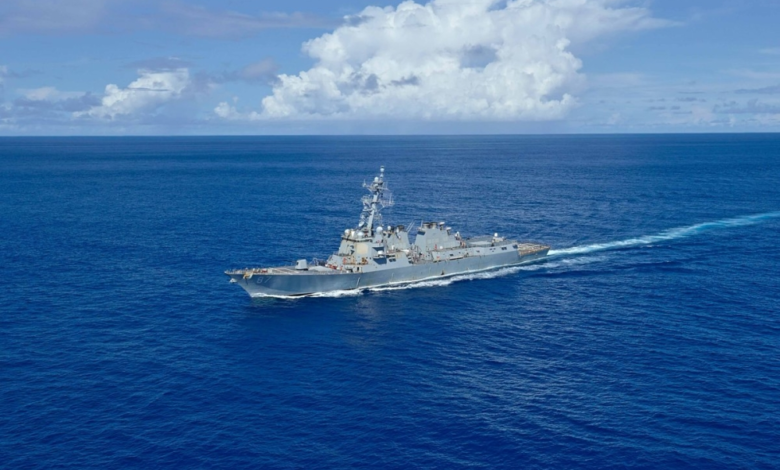

نفي أمريكي قاطع وتصعيد إعلامي في مياه الخليج
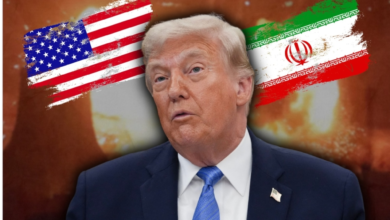
في تصعيد جديد للحرب الإعلامية بين واشنطن وطهران، نفى الجيش الأمريكي استهداف مدمرتين تابعتين لبحريته بأي صواريخ إيرانية في مياه بحر عمان. جاء هذا النفي القاطع من القيادة المركزية الأمريكية (سنتكوم) رداً على مزاعم أطلقتها القوات المسلحة الإيرانية، مما يضيف فصلاً جديداً إلى سجل التوترات الطويل في أحد أهم الممرات المائية في العالم. وأكدت القيادة في بيان نشرته عبر منصة “إكس” أن “القوات الإيرانية لم تهاجم أو تطلق النار على أي سفن تابعة للبحرية الأمريكية”، مشددة على أن مثل هذه الأفعال لو حدثت ستشكل “انتهاكاً صارخاً لوقف إطلاق النار”.
خلفية التوتر في ممر ملاحي حيوي
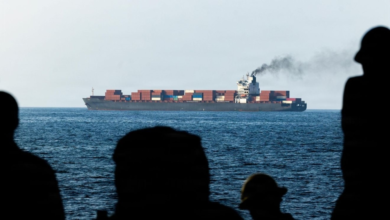
يأتي هذا الحادث في سياق جيوسياسي معقد. يُعد بحر عمان، المتصل بمضيق هرمز الاستراتيجي، شرياناً حيوياً لنقل ما يقارب خُمس استهلاك النفط العالمي، وقد شهد على مدى عقود مواجهات ومناوشات بين القوات الإيرانية والأمريكية. لطالما اعتبرت إيران الوجود العسكري الأمريكي في الخليج تهديداً لأمنها القومي ومحاولة لفرض الهيمنة، بينما تؤكد الولايات المتحدة أن وجودها يهدف إلى ضمان حرية الملاحة الدولية وحماية حركة التجارة وحلفائها الإقليميين. هذه الخلفية التاريخية المشحونة تجعل أي حادث، مهما كان صغيراً أو حتى مجرد ادعاء، قابلاً للاشتعال ويحمل في طياته خطر سوء التقدير الذي قد يؤدي إلى عواقب وخيمة.
روايتان متضاربتان: حرب الروايات بين طهران وواشنطن
بدأت القصة بإعلان صادر عن القوات المسلحة الإيرانية، نقلته وكالات الأنباء الرسمية، أفاد بأنها أطلقت “صواريخ تحذيرية” أجبرت مدمرتين أمريكيتين “معاديتين” على تغيير مسارهما ومغادرة المنطقة نحو المحيط الهندي. وزعمت طهران أن هذا الإجراء جاء ضمن عملياتها لمواجهة “الأعمال غير القانونية” للبحرية الأمريكية في المنطقة. يهدف هذا الإعلان، من المنظور الإيراني، إلى إظهار القوة والسيادة الإيرانية في مياه الخليج وتوجيه رسالة ردع للوجود العسكري الأجنبي. لكن الرواية الأمريكية جاءت مناقضة تماماً، حيث وضعت القيادة المركزية الادعاء الإيراني في خانة “الدعاية” والمعلومات المضللة، مؤكدة على استمرار عملياتها بشكل طبيعي في المياه الدولية وفقاً للقانون الدولي.
الجيش الأمريكي ينفي استهداف مدمرتين وتداعيات الحادث على الاستقرار الإقليمي
بغض النظر عن حقيقة وقوع الهجوم من عدمه، فإن مجرد تبادل هذه الاتهامات له تداعيات خطيرة. يؤدي هذا النوع من الحوادث إلى زيادة منسوب التوتر وعدم اليقين في منطقة تعاني أصلاً من الاستقطاب الشديد. كما أنه يثير قلق شركات الشحن العالمية والدول المعتمدة على استقرار هذا الممر المائي. أي تصعيد عسكري حقيقي في بحر عمان أو مضيق هرمز يمكن أن يؤدي إلى ارتفاع فوري في أسعار النفط العالمية وتعطيل سلاسل الإمداد، مما يؤثر على الاقتصاد العالمي بأسره. لذلك، تراقب العواصم العالمية هذا التوتر بقلق، وتدعو الطرفين إلى أقصى درجات ضبط النفس وتجنب أي خطوات قد تؤدي إلى مواجهة شاملة غير محسوبة العواقب.