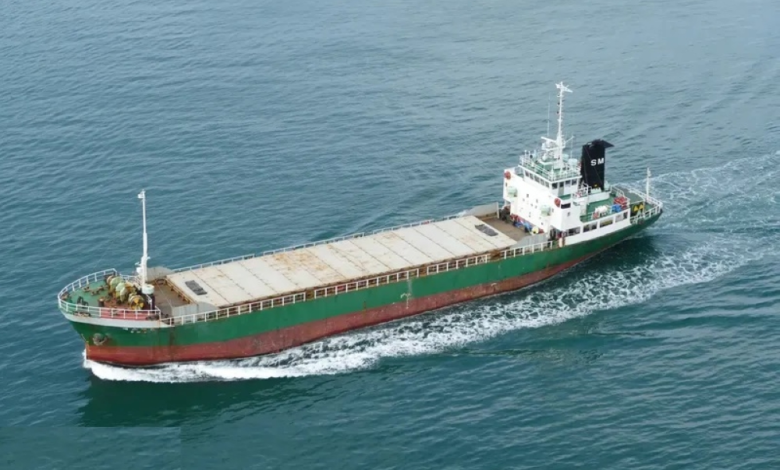

أعلنت القيادة المركزية الأمريكية (سنتكوم) أن قواتها قامت بتعطيل سفينة شحن تجارية كانت تحاول الوصول إلى ميناء إيراني، في خطوة تعكس استمرار التوترات في الممرات المائية الحيوية بالشرق الأوسط. ووفقًا للبيان الصادر يوم السبت، تم استهداف السفينة “إم في ليان ستار” التي ترفع علم جامبيا، بعد تجاهلها لأكثر من 20 تحذيرًا من القوات الأمريكية.
وأوضح البيان أن طائرة أمريكية أطلقت صاروخ “هيلفاير” على غرفة محرك السفينة في 29 مايو، مما أدى إلى تعطيلها ومنعها من مواصلة رحلتها نحو إيران. وأكدت “سنتكوم” أن هذا الإجراء جاء بعد رفض طاقم السفينة الامتثال للتوجيهات المتكررة، مشيرة إلى أن السفينة لم تعد تشكل خطرًا ولم تذكر أي معلومات عن وقوع إصابات بين أفراد الطاقم.
سياق التوترات البحرية بين واشنطن وطهران
يأتي هذا الحادث في سياق تاريخ طويل من التوترات بين الولايات المتحدة وإيران، خاصة في منطقة الخليج ومضيق هرمز، الذي يمر عبره ما يقرب من خُمس استهلاك النفط العالمي. لطالما كانت هذه المنطقة مسرحًا لمواجهات وعمليات عسكرية، حيث تسعى واشنطن لفرض عقوبات اقتصادية صارمة على طهران وتقييد أنشطتها التي تعتبرها مزعزعة للاستقرار، بينما ترد إيران بتأكيد سيادتها على مياهها الإقليمية والتهديد بتعطيل الملاحة الدولية.
وقد شهدت السنوات الأخيرة حوادث متعددة شملت احتجاز ناقلات نفط، وهجمات على سفن تجارية، ومواجهات مباشرة بين القوات البحرية الإيرانية والأمريكية. وتستخدم الولايات المتحدة وحلفاؤها وجودهم العسكري في المنطقة لضمان حرية الملاحة وتطبيق العقوبات، مما يخلق بيئة مشحونة وقابلة للاشتعال في أي لحظة.
الأهمية والتأثيرات المحتملة للحادث
على الصعيد الإقليمي، يمثل هذا الإجراء رسالة ردع قوية من الولايات المتحدة، تؤكد من خلالها جديتها في فرض الحصار البحري ومنع أي سفن من الوصول إلى الموانئ الإيرانية المستهدفة. وقد يدفع هذا التصعيد إيران إلى الرد بطرق غير متماثلة، سواء عبر وكلائها في المنطقة أو من خلال استهداف مصالح أمريكية أو حليفة، مما يزيد من مخاطر نشوب صراع أوسع.
دوليًا، يثير الحادث مخاوف بشأن سلامة الملاحة التجارية وتأثير ذلك على أسواق الطاقة العالمية وسلاسل الإمداد. أي تصعيد في هذه المنطقة الحيوية يمكن أن يؤدي إلى ارتفاع كبير في أسعار النفط وتكاليف التأمين على الشحن، مما يلقي بظلاله على الاقتصاد العالمي الذي لا يزال يتعافى من أزمات متلاحقة. كما يبرز الحادث ضمن إطار أوسع، حيث ذكر بيان “سنتكوم” أن القوات الأمريكية قامت بتعطيل 5 سفن تجارية وإعادة توجيه 116 سفينة أخرى كجزء من عمليات فرض الحصار، مما يوضح حجم ونطاق العمليات الجارية في المنطقة.