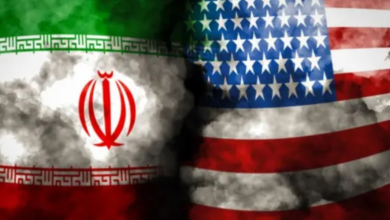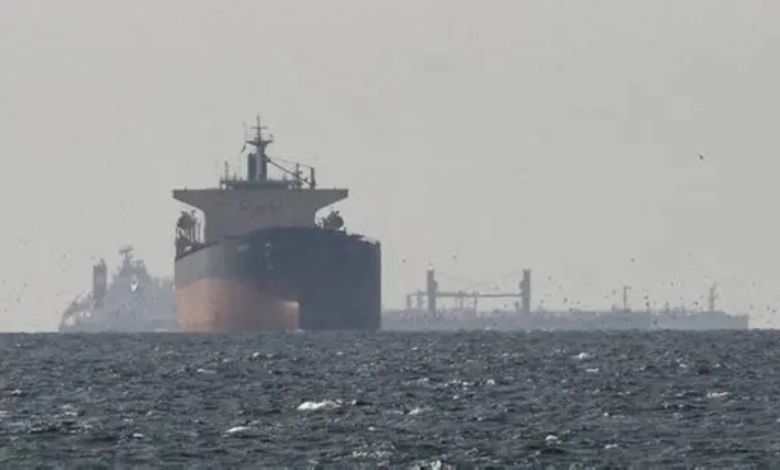

في تصعيد جديد للتوترات البحرية في منطقة الشرق الأوسط، أعلن الجيش الأمريكي أن قواته البحرية اعترضت ناقلة نفط تجارية ترفع علم إيران في مياه خليج عُمان، وذلك في إطار الجهود المستمرة لفرض العقوبات الاقتصادية على طهران. وتأتي هذه الحادثة لتسلط الضوء مجدداً على أمن الملاحة في أحد أهم الممرات المائية في العالم، وتأثير ذلك على الاقتصاد العالمي.
تفاصيل اعتراض ناقلة النفط الإيرانية
أصدرت القيادة المركزية الأمريكية (سنتكوم) بياناً رسمياً أوضحت فيه أن عناصر من مشاة البحرية الأمريكية صعدوا يوم الأربعاء على متن الناقلة التجارية “سيلستيال سي” (M/T Celestial Sea)، وهي ناقلة نفط ترفع العلم الإيراني. وجاء هذا التحرك للاشتباه في محاولة الناقلة خرق الحصار الاقتصادي والعقوبات الأمريكية المفروضة، من خلال التوجه نحو أحد الموانئ الإيرانية. وأكد البيان أن القوات الأمريكية قامت بتفتيش السفينة بدقة، قبل أن تفرج عنها وتوجه طاقمها لتغيير مسارها بعيداً عن وجهتها الأصلية. وأشارت القيادة المركزية إلى أن هذا الإجراء ليس الأول من نوعه، حيث أعادت القوات الأمريكية حتى الآن توجيه 91 سفينة تجارية لضمان الامتثال الصارم للتدابير المفروضة على طهران.
السياق التاريخي والأهمية الاستراتيجية
تندرج هذه الحادثة ضمن سياق تاريخي معقد من التوترات بين واشنطن وطهران، والتي تصاعدت وتيرتها بشكل ملحوظ منذ انسحاب الولايات المتحدة من الاتفاق النووي الإيراني في عام 2018 وإعادة فرض سياسة “الضغوط القصوى”. وتكتسب منطقة خليج عُمان ومضيق هرمز أهمية استراتيجية بالغة، حيث يمر عبر هذا المضيق نحو خُمس استهلاك العالم من النفط يومياً. أي تهديد أو إعاقة لحركة الملاحة في هذه المنطقة لا يؤثر فقط على أسواق الطاقة، بل يمتد تأثيره ليشمل الاقتصاد العالمي بأسره، مما يجعل التحركات العسكرية فيها محط أنظار المجتمع الدولي.
تحذيرات أممية: إغلاق مضيق هرمز يهدد الأمن الغذائي
في سياق متصل بالتداعيات العالمية لتوترات المنطقة، أطلقت منظمة الأغذية والزراعة للأمم المتحدة (الفاو) تحذيرات شديدة اللهجة من أن أي تصعيد يؤدي إلى إغلاق مضيق هرمز لفترة طويلة سيُنذر بـ “صدمة هيكلية” عنيفة في قطاع الأغذية الزراعية. وأوضحت المنظمة أن هذا السيناريو قد يُفضي إلى أزمة حادة في الأسعار العالمية للأغذية خلال فترة تتراوح بين 6 إلى 12 شهراً. ولتجنب هذه الكارثة المحتملة، أوصت الفاو بضرورة اتخاذ تدابير استباقية تشمل إنشاء طرق تجارية بديلة، وضبط القيود المفروضة على الصادرات، وحماية تدفقات المساعدات الإنسانية، بالإضافة إلى تكوين احتياطيات استراتيجية لاحتواء الارتفاع المتوقع في تكاليف النقل.
تداعيات متسلسلة وتأثير ظاهرة النينيو
حذرت الفاو من أن الوقت المتاح لاتخاذ إجراءات وقائية يتقلص بسرعة. وأشارت إلى أن القرارات الحالية التي يتخذها المزارعون والحكومات بشأن استخدام الأسمدة، والواردات، والتمويل، ستحدد مسار الأمن الغذائي العالمي. وتمتد آثار هذه الصدمة المحتملة على مراحل متتالية تبدأ بارتفاع أسعار الطاقة، مما ينعكس على تكلفة الأسمدة والبذور، ويؤدي لاحقاً إلى انخفاض المحاصيل، وارتفاع أسعار السلع، وصولاً إلى تضخم غذائي عالمي. وما يزيد من خطورة الموقف هو التزامن مع ظاهرة “النينيو” المناخية، والتي يُتوقع أن تتسبب في موجات جفاف قاسية وتُخل بتوازن أنماط هطول الأمطار ودرجات الحرارة في مناطق زراعية رئيسية حول العالم، مما يضاعف من احتمالات حدوث أزمة غذاء غير مسبوقة.