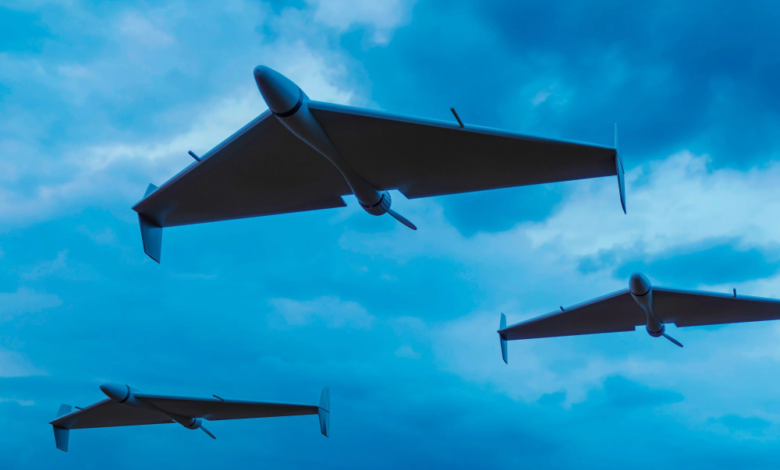

أكد مسؤول أمريكي رفيع المستوى، يوم الأربعاء، أن القوات المسلحة الأمريكية تدخلت للتصدى لمجموعة من الطائرات المسيّرة (الدرون) التابعة لعصابات المخدرات المكسيكية، وذلك عقب رصد اختراقها للمجال الجوي للولايات المتحدة الأمريكية في ولاية تكساس الجنوبية.
وأوضح المسؤول، الذي فضل عدم الكشف عن هويته نظراً لحساسية المعلومات الأمنية، أن هذه الطائرات المسيّرة عبرت الحدود قادمة من المكسيك، مما استدعى رداً فورياً من الجيش الأمريكي الذي اتخذ "إجراءات تقنية وعسكرية" لتعطيل هذه المسيّرات وتحييد خطرها، مشيراً إلى أن الحادثة تسببت في حالة من الاستنفار الأمني المؤقت.
إغلاق مطار إل باسو وتأمين الأجواء
تزامن هذا الاختراق الجوي مع إعلان مفاجئ عن إغلاق مطار "إل باسو" الدولي في تكساس، حيث توقفت حركة الملاحة الجوية لفترة وجيزة كإجراء احترازي لضمان سلامة الطائرات المدنية والركاب. وقد عادت العمليات في المطار إلى طبيعتها بعد تأكيد زوال الخطر وتأمين المجال الجوي من قبل السلطات المختصة.
تطور تكتيكات الكارتيلات: حرب المسيّرات
يأتي هذا الحادث ليسلط الضوء على تطور خطير في تكتيكات عصابات الجريمة المنظمة والكارتيلات المكسيكية. ففي السنوات الأخيرة، لم تعد هذه العصابات تعتمد فقط على الأساليب التقليدية في التهريب والمراقبة، بل لجأت بشكل متزايد إلى استخدام التكنولوجيا الحديثة. وتُعد الطائرات المسيّرة التجارية المعدلة إحدى أبرز الأدوات التي تستخدمها هذه الجماعات لأغراض متعددة، تتراوح بين مراقبة تحركات حرس الحدود الأمريكي، ونقل شحنات صغيرة من المخدرات، وصولاً إلى استخدامها كأسلحة هجومية ضد عصابات منافسة داخل الأراضي المكسيكية.
تحديات الأمن القومي وأمن الحدود
يمثل اختراق المجال الجوي الأمريكي بواسطة مسيّرات تابعة لجهات إجرامية تحدياً جديداً للأمن القومي الأمريكي يتجاوز مجرد مكافحة المخدرات. ويشير خبراء أمنيون إلى أن قدرة هذه العصابات على تسيير طائرات داخل العمق الأمريكي تستوجب مراجعة شاملة لأنظمة الدفاع الجوي منخفضة الارتفاع وأنظمة مكافحة الطائرات بدون طيار (C-UAS) على طول الحدود الجنوبية.
وتنظر واشنطن بقلق بالغ إلى هذا التصعيد، حيث يُعد استخدام المجال الجوي من قبل فاعلين غير حكوميين تهديداً لسيادة الدولة وسلامة الطيران المدني، مما قد يدفع الإدارة الأمريكية لتعزيز تواجدها العسكري التقني على الحدود ونشر المزيد من أجهزة التشويش والرصد المتقدمة لمنع تكرار مثل هذه الخروقات مستقبلاً.