
US Central Command announces the scale of military operations
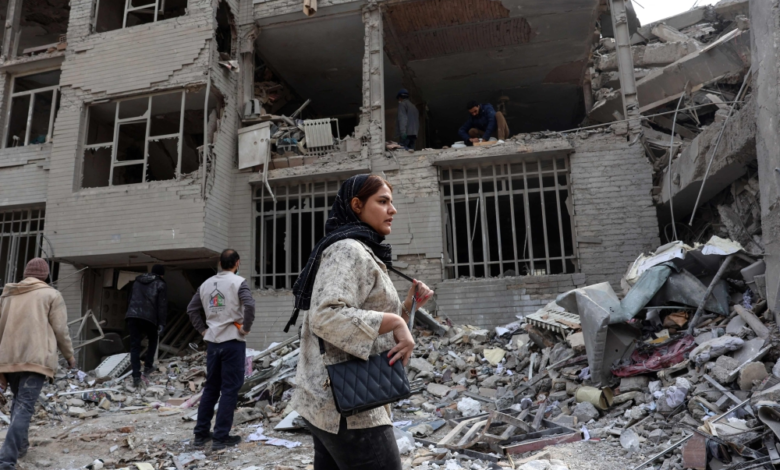
the US military announced that the United States has conducted extensive strikes targeting approximately 6,000 sites since the start of military operations and direct tensions with Iran on February 28. US Central Command (CENTCOM), the military body responsible for managing and directing US forces in the Middle East, provided detailed information about the nature of these targets. According to the statement, the target bank included approximately 90 Iranian vessels, among them 30 ships equipped and designated for naval mine-laying operations, reflecting a US focus on neutralizing naval capabilities that could threaten maritime navigation.
Iranian denial and securing the Strait of Hormuz
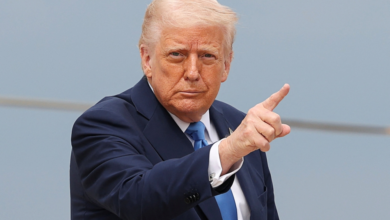
On the other hand, Tehran was quick to categorically refute this account. Iranian Deputy Foreign Minister Majid Takht-Ravanchi stated in an interview with Agence France-Presse (AFP) that his country does not mine the Strait of Hormuz . This statement was a direct response to accusations leveled by Washington, specifically President Donald Trump's remarks about targeting Iranian vessels allegedly involved in mining the waters. Ravanchi described these claims as "completely untrue," emphasizing that Tehran had received requests from several countries to allow their ships safe passage through the strait, and that Iranian authorities had "cooperated with them" to ensure the safety of navigation.
General context and historical background of maritime tensions
Historically, the waters of the Arabian Gulf and the Strait of Hormuz have never been immune to direct and indirect clashes between Washington and Tehran. The roots of these maritime tensions can be traced back to the 1980s, during what became known as the "Tanker War" of the Iran-Iraq War, when both sides targeted commercial vessels. Iran resorted to using naval mines, prompting the United States to launch Operation Orderly Will to protect oil tankers, and Operation Praying Mantis, which destroyed significant portions of the Iranian fleet. This historical legacy means that any naval activity in the region today, whether mine-laying or military patrols, could be a spark that ignites a wider conflict.
The strategic importance of the event and its expected impact
These developments are of paramount importance given the sensitive geopolitical and economic significance of the Strait of Hormuz. The strait is one of the world's most strategically important waterways, through which approximately 20% to 30% of global oil consumption passes.
Regional and international impact
Regionally an unprecedented militarization of the Gulf waters, placing the region's countries on high alert in anticipation of any closure of the Strait of Hormuz or disruption to exports upon which their economies depend almost entirely. Internationally , the mere threat of naval mines or attacks on ships in this vital waterway immediately leads to soaring maritime insurance costs and sharp fluctuations in global energy prices. This escalation is also prompting major powers, including European and Asian oil-importing nations, to reassess their strategic calculations and may lead to the formation of new international maritime alliances to ensure the security of global energy supplies and avert a devastating economic crisis.