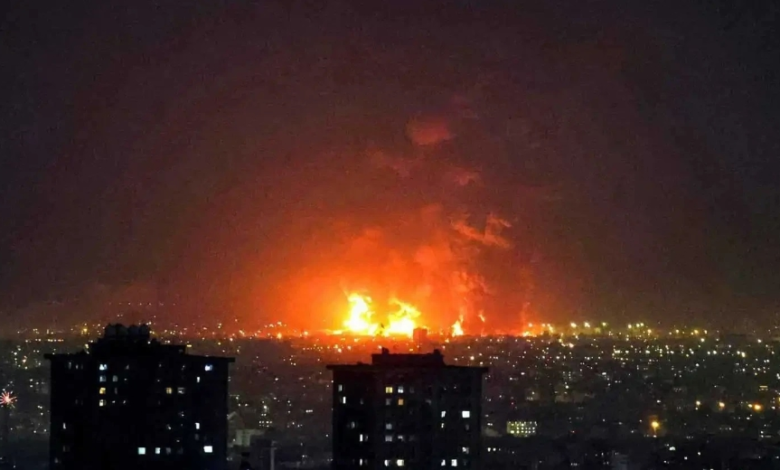

في خطوة تصعيدية جديدة تزيد من حدة التوتر في منطقة الخليج، أفادت وسائل إعلام إيرانية بأن الجيش الأمريكي نفذ عملية استهداف الحرس الثوري الإيراني عبر قصف برج اتصالات تابع له في جزيرة قشم الاستراتيجية. يأتي هذا الحادث في سياق متوتر بالفعل، حيث تتصادم المصالح وتتزايد المواجهات غير المباشرة في مياه الخليج، مما يثير مخاوف من اندلاع مواجهة أوسع نطاقًا قد تؤثر على الملاحة الدولية وإمدادات الطاقة العالمية.
تصعيد جديد في مضيق هرمز الاستراتيجي
وفقًا للتقارير الأولية الصادرة عن وكالات أنباء إيرانية مثل “مهر” و”فارس”، سُمع دوي انفجارات متعددة في وقت متأخر من ليل الثلاثاء جنوب جزيرة قشم، التي تطل على مضيق هرمز الحيوي. وأكدت المصادر أن الهدف كان برج اتصالات يستخدمه الحرس الثوري الإيراني، مما يشير إلى ضربة عسكرية دقيقة تهدف إلى تعطيل قدرات القيادة والسيطرة الإيرانية في هذه المنطقة الحساسة. يتزامن هذا الهجوم مع حادثة أخرى أعلنت عنها القيادة المركزية الأمريكية، حيث قامت القوات الأمريكية بتعطيل ناقلة نفط كانت تحاول كسر الحصار المفروض على الموانئ الإيرانية. وذكر البيان الأمريكي أن ناقلة النفط “إم/تي ليكسي”، التي ترفع علم بوتسوانا، تجاهلت التحذيرات المتكررة على مدار 24 ساعة، مما دفع طائرة حربية أمريكية إلى إطلاق صاروخ “هيلفاير” على غرفة محركاتها لشل حركتها ومنعها من الوصول إلى وجهتها.
أبعاد استهداف الحرس الثوري الإيراني وتداعياته
يحمل هذا الهجوم دلالات تتجاوز مجرد كونه حادثًا عسكريًا معزولاً. فجزيرة قشم ومضيق هرمز يمثلان شريانًا حيويًا للتجارة العالمية، حيث يمر عبره ما يقرب من خُمس استهلاك النفط العالمي. ولطالما كانت هذه المنطقة مسرحًا للتوتر بين إيران والولايات المتحدة، حيث يسعى كل طرف لفرض نفوذه وتأمين مصالحه. يُعتبر الحرس الثوري الإيراني، وخاصة ذراعه البحرية، القوة المهيمنة في الجانب الإيراني من الخليج، وكثيرًا ما اتُهم من قبل واشنطن وحلفائها بالقيام بأعمال استفزازية ضد السفن التجارية والعسكرية. إن استهداف بنيته التحتية للاتصالات يمثل رسالة واضحة من واشنطن بأنها لن تتسامح مع الأنشطة التي تعتبرها مزعزعة للاستقرار. على الصعيد الإقليمي، يضع هذا التصعيد دول الخليج في حالة تأهب، خشية أن تتحول أراضيها أو مياهها إلى ساحة للمواجهة المباشرة. أما دوليًا، فإن أي اضطراب في مضيق هرمز يهدد بارتفاع فوري في أسعار النفط، مما يؤثر على الاقتصاد العالمي بأكمله ويستدعي اهتمام القوى الدولية الكبرى التي لها مصالح في استقرار المنطقة.