
إعلان القيادة المركزية الأمريكية عن حصار بحري
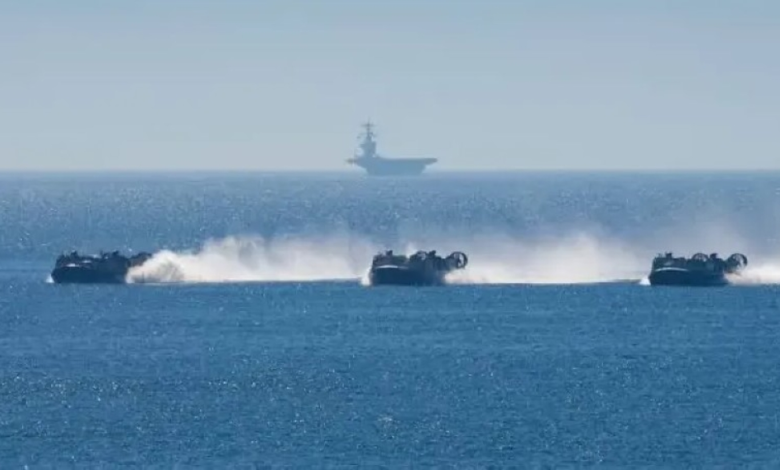
في خطوة تصعيدية ذات أبعاد استراتيجية كبرى، أعلنت القيادة المركزية الأمريكية أن الجيش الأمريكي بصدد فرض سيطرة بحرية شاملة في مياه خليج عُمان وبحر العرب، وتحديداً في المنطقة الواقعة شرقي مضيق هرمز. وأوضحت القيادة أن هذا الإجراء الصارم سيشمل جميع السفن العابرة، بغض النظر عن العلم الذي ترفعه، مما يضع المنطقة أمام واقع جيوسياسي جديد.
ووفقاً لما نقلته وكالة أنباء رويترز، فقد أصدرت القيادة إشعاراً رسمياً للبحارة يوضح أن السيطرة البحرية سيبدأ سريانها الفعلي في تمام الساعة 1400 بتوقيت جرينتش من يوم الإثنين. وحذرت القيادة بوضوح قائلة: “إن أي سفينة تحاول الدخول أو المغادرة من المنطقة المحاصرة دون الحصول على تصريح مسبق، ستكون عرضة للاعتراض، أو تحويل المسار، أو حتى الاحتجاز المباشر”.
استثناءات الملاحة المحايدة والمساعدات الإنسانية
على الرغم من صرامة الإجراءات، بينت القيادة الأمريكية أن هذه السيطرة لن تعوق حركة الملاحة المحايدة التي تعبر عبر مضيق هرمز من وإلى وجهات غير إيرانية. وأكدت أن الحصار يتركز بشكل أساسي ليشمل الساحل الإيراني بالكامل، في مسعى لتضييق الخناق على التحركات غير المصرح بها.
وفيما يتعلق بالجانب الإنساني، شددت التوجيهات على أنه سيُسمح بمرور الشحنات الإنسانية، والتي تتضمن المواد الغذائية، والإمدادات الطبية، وغيرها من السلع الأساسية الضرورية، ولكن شريطة خضوعها لعمليات تفتيش دقيقة لضمان عدم استغلالها في أغراض أخرى.
تصريحات ترامب حول إغلاق مضيق هرمز
تأتي هذه التطورات الميدانية بعد إعلان الرئيس الأمريكي دونالد ترامب، عبر تدوينة نشرها على حسابه الرسمي في منصة “تروث سوشيال”، عن بدء فرض حصار بحري على مضيق هرمز ووقف حركة جميع السفن. وأكد ترامب في تصريحاته أن البحرية الأمريكية ستبدأ فوراً عملية شاملة لوقف جميع السفن التي تحاول دخول المضيق أو مغادرته، مشيراً إلى أن الإغلاق التام سيبدأ قريباً بمشاركة دول أخرى حليفة في هذا التحرك الاستراتيجي.
السياق التاريخي والأهمية الاستراتيجية لمضيق هرمز
لفهم أبعاد هذا القرار، يجب النظر إلى الأهمية الجيوسياسية والاقتصادية البالغة التي يتمتع بها مضيق هرمز. يُعد المضيق واحداً من أهم الممرات المائية في العالم، حيث يربط بين الخليج العربي من جهة، وخليج عُمان وبحر العرب من جهة أخرى. وتاريخياً، كان هذا الممر نقطة اشتعال متكررة للتوترات بين الولايات المتحدة وإيران، بدءاً من “حرب الناقلات” في ثمانينيات القرن الماضي، وصولاً إلى الحوادث المتكررة لاحتجاز السفن واستهدافها في السنوات الأخيرة.
يمر عبر هذا المضيق الاستراتيجي نحو خُمس استهلاك العالم من النفط الخام، مما يجعله الشريان الرئيسي لإمدادات الطاقة العالمية. ولذلك، فإن أي تهديد أو إغلاق جزئي أو كلي لهذا الممر المائي يثير قلقاً دولياً واسع النطاق، ويدفع القوى الكبرى للتدخل لضمان حرية الملاحة وتأمين تدفق إمدادات الطاقة.
التأثيرات المتوقعة محلياً وإقليمياً ودولياً
من المتوقع أن يترك هذا الحصار البحري تداعيات عميقة على مستويات عدة. إقليمياً، قد يؤدي القرار إلى تصاعد التوترات العسكرية في منطقة الشرق الأوسط، مما يضع الدول المطلة على الخليج العربي في حالة تأهب قصوى تحسباً لأي ردود فعل انتقامية أو اضطرابات أمنية قد تؤثر على صادراتها النفطية.
أما دولياً واقتصادياً، فإن الأسواق العالمية تتفاعل عادة بشكل فوري مع مثل هذه الأزمات. من المرجح أن تشهد أسعار النفط العالمية ارتفاعات ملحوظة نتيجة المخاوف من نقص الإمدادات. كما أن تكاليف التأمين على الشحن البحري للسفن العابرة لمنطقة الشرق الأوسط سترتفع بشكل كبير، مما سينعكس في النهاية على تكلفة السلع وسلاسل الإمداد العالمية، ليزيد من التحديات الاقتصادية التي يواجهها الاقتصاد العالمي في الوقت الراهن.