
Details of the US decision to pump oil from the strategic reserve
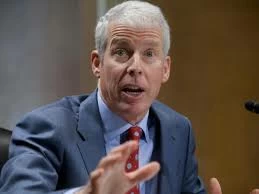
In a move aimed at stabilizing global energy markets and curbing price volatility, U.S. Energy Secretary Chris Wright announced that the United States intends to release oil from its Strategic Petroleum Reserve over the next few months. This decision comes at a sensitive time for global markets due to escalating geopolitical tensions, reflecting the U.S. administration's commitment to using all available tools to ensure energy security.
Treasury Department statements and available options
In a related development, US Treasury Secretary Scott Bisent confirmed that the United States might release additional quantities from its strategic petroleum reserve to mitigate any potential price increases. Bisent indicated that Washington possesses additional strategic tools to bolster global oil supplies if needed. In a television interview with Fox Business, the Secretary explained that the US administration has allowed the continued flow of Iranian oil through the vital Strait of Hormuz, emphasizing that Washington has refrained from targeting Iran's energy infrastructure to prevent unforeseen disruptions to global energy supplies.
International cooperation and Japan's support for markets
The efforts were not limited to individual US actions but extended to international coordination. Bisent revealed that global oil markets may receive additional support from Japan. Tokyo is expected to contribute by releasing supplies from its strategic petroleum reserves, a move that would help stabilize prices and alleviate investor anxiety amid current geopolitical tensions that are impacting supply chains.
Trump's visit to China postponed and crisis management
On the political and geopolitical front, the Treasury Secretary announced that US President Donald Trump has decided to postpone his planned visit to China. Trump preferred to remain in the United States to closely monitor the rapidly escalating tensions with Iran. This move clearly reflects the top priority the current US administration places on managing the ongoing geopolitical crisis and ensuring the stability of the country's national and economic security.
Historical context of the strategic petroleum reserve
To understand the significance of this event, one must consider the historical background of the U.S. Strategic Petroleum Reserve. Established in the 1970s, specifically following the 1973 Arab oil embargo, this reserve was designed to protect the U.S. economy from supply disruptions. Stored in massive underground salt caverns in Texas and Louisiana, it is the largest of its kind in the world. Historically, this reserve has been utilized during major crises, such as the Gulf War, devastating hurricanes, and geopolitical crises, demonstrating its role as a safety valve for the global economy.
The expected impact of the decision, both locally and internationally
This decision has far-reaching implications on several levels. Domestically, increased oil production helps lower fuel prices for American consumers, which in turn has a positive impact on inflation and eases the economic burden. Regionally, this move sends a reassuring message to markets that tensions in the Middle East, particularly around the Strait of Hormuz through which a significant portion of the world's oil consumption passes, will not necessarily lead to a severe supply crisis. Internationally, coordination with countries like Japan strengthens the stability of crude oil prices, supporting global economic growth and preventing a recession that could result from high energy costs.