
زيارة روحانية واستقبال رسمي في المدينة المنورة
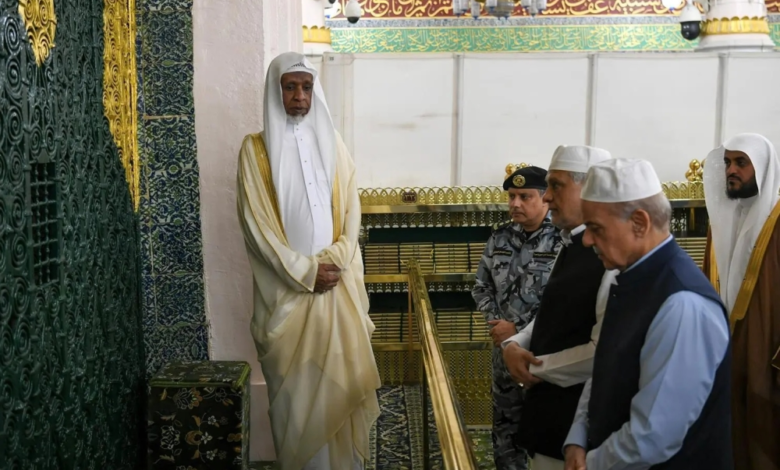
في إطار العلاقات الأخوية والتاريخية الوثيقة التي تربط بين المملكة العربية السعودية وجمهورية باكستان الإسلامية، قام دولة رئيس الوزراء الباكستاني، محمد شهباز شريف، يرافقه وفد رفيع المستوى، بزيارة إلى المسجد النبوي الشريف بالمدينة المنورة. وقد أدى دولته الصلاة في الروضة الشريفة، وتشرف بالسلام على رسول الله -صلى الله عليه وسلم- وصاحبيه رضوان الله عليهما، في أجواء روحانية تعكس المكانة الدينية العظيمة للمملكة في قلوب المسلمين حول العالم. وكان في استقباله عند وصوله إلى المسجد النبوي عدد من كبار المسؤولين، يتقدمهم قائد قوة أمن المسجد النبوي العقيد متعب بن نعيمان البدراني، ومدير مكتب المراسم الملكية بالمنطقة إبراهيم بن عبدالله برّي، مما يعكس حفاوة الاستقبال والاهتمام البالغ الذي توليه قيادة المملكة لضيوفها.
عمق العلاقات التاريخية بين السعودية وباكستان
تأتي هذه الزيارة في سياق تاريخي طويل من العلاقات الاستثنائية بين الرياض وإسلام آباد، والتي تمتد جذورها إلى ما قبل استقلال باكستان عام 1947. وتتميز هذه العلاقات بتطابق الرؤى في العديد من القضايا الإقليمية والدولية، والتعاون المستمر في المجالات السياسية والاقتصادية والعسكرية. وتعتبر المملكة العربية السعودية من أهم الشركاء الاستراتيجيين لباكستان، حيث تقف دائماً إلى جانبها في مختلف التحديات، بينما تؤكد باكستان باستمرار التزامها الراسخ بالدفاع عن أمن واستقرار المملكة وحماية الحرمين الشريفين.
مباحثات استراتيجية مع ولي العهد في جدة
وعلى الصعيد السياسي والدبلوماسي، شهدت الزيارة محطة بالغة الأهمية في محافظة جدة، حيث التقى صاحب السمو الملكي الأمير محمد بن سلمان بن عبدالعزيز آل سعود، ولي العهد رئيس مجلس الوزراء، بدولة رئيس الوزراء الباكستاني محمد شهباز شريف. وجرى خلال هذا اللقاء الودي والمثمر استعراض آفاق العلاقات الثنائية الوثيقة بين البلدين الشقيقين، وبحث أوجه التعاون القائم وفرص تطويره في مختلف المجالات، لا سيما في ظل رؤية المملكة 2030 التي تفتح آفاقاً واسعة للاستثمار والشراكة الاقتصادية. وقد أشاد سمو ولي العهد بالجهود الحثيثة التي يبذلها رئيس وزراء باكستان لتعزيز مسيرة النمو الاقتصادي في بلاده، وتطوير الشراكة الاستراتيجية الشاملة بين البلدين.
الدور الإقليمي والدولي وتنسيق المواقف
كما تطرقت المباحثات إلى مستجدات الأحداث الإقليمية والدولية ذات الاهتمام المشترك. وفي مقدمة هذه القضايا، مجريات الأوضاع في المنطقة والمستجدات المتعلقة بالجهود الدبلوماسية والمحادثات الرامية إلى تخفيف التوترات الإقليمية، بما في ذلك المحادثات بين الولايات المتحدة الأمريكية والجمهورية الإسلامية الإيرانية والتي تستضيفها وتلعب فيها باكستان دوراً لتيسير الحوار. وتم التأكيد خلال اللقاء على أهمية مواصلة وتكثيف الجهود الدبلوماسية الرامية لإعادة الاستقرار إلى المنطقة. وفي هذا السياق، نوه سمو ولي العهد بالدور الحيوي الذي تلعبه القيادة الباكستانية، مشيداً بجهود دولة رئيس الوزراء والمشير عاصم منير، قائد قوات الدفاع ورئيس أركان الجيش الباكستاني، في الحفاظ على الأمن الإقليمي.
أهمية الزيارة وتأثيرها المتوقع
إن أهمية هذه الزيارة تتجاوز البعد الثنائي لتشمل تأثيرات إقليمية ودولية واسعة. فعلى المستوى المحلي، تعزز هذه اللقاءات من ثقة المستثمرين وتفتح أبواباً جديدة للتعاون الاقتصادي والتجاري. وإقليمياً، تمثل رسالة قوية تؤكد على تماسك التحالفات الاستراتيجية في مواجهة التحديات الجيوسياسية. أما دولياً، فإن التنسيق السعودي الباكستاني يعكس ثقلاً دبلوماسياً يساهم في صياغة حلول سلمية للأزمات، ويؤكد على دور الدولتين كركائز أساسية للأمن والسلام في العالم الإسلامي.