تفاصيل عملية إنقاذ الطيارين الأمريكيين داخل إيران | اشتباكات مسلحة

مقدمة: سباق مع الزمن في العمق الإيراني
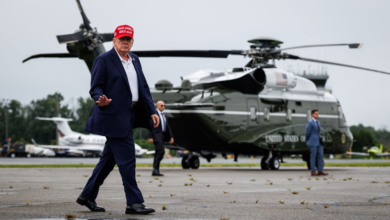
في واحدة من أكثر العمليات العسكرية جرأة وتعقيداً، شهدت الساحة الإيرانية سباقاً حقيقياً مع الزمن بين القوات الأمريكية والإيرانية للعثور على طاقم المقاتلة الأمريكية التي أُسقطت داخل الأراضي الإيرانية. استطاعت الولايات المتحدة الأمريكية تنفيذ عملية إنقاذ ناجحة في العمق الإيراني لانتشال الطيارين. وقد أكد الرئيس الأمريكي دونالد ترامب نجاح هذه المهمة عبر حساباته على وسائل التواصل الاجتماعي، واصفاً إياها بأنها “إحدى أجرأ عمليات البحث والإنقاذ” في تاريخ الجيش الأمريكي، ومطمئناً الرأي العام بأن الضابط “بخير وبصحة جيدة الآن”.
اشتباكات مسلحة وإصابات خلال عملية الإنقاذ
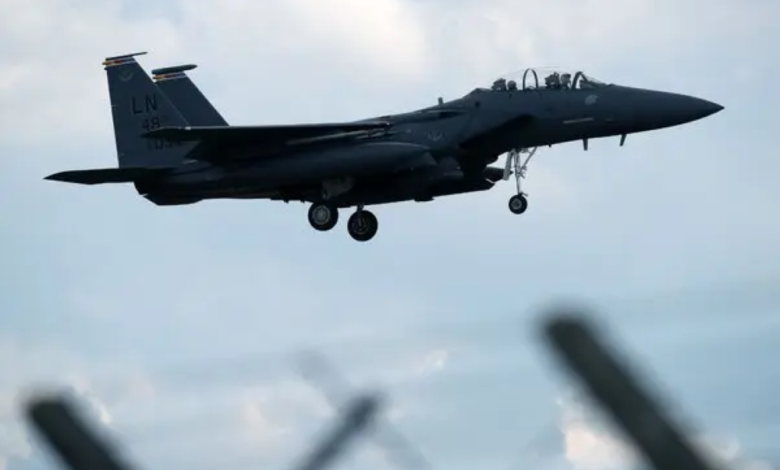
لم تكن المهمة سهلة على الإطلاق، حيث تخللت عملية الإنقاذ اشتباكات مسلحة عنيفة بين القوات الأمريكية الخاصة والقوات الإيرانية. ووفقاً لتقارير إعلامية، هناك احتمالية لإصابة الطيار أثناء عملية القذف الأولي من الطائرة قبل تحطمها. وأفادت وسائل إعلام أمريكية أن إحدى المروحيات التي كانت تقل الطيار الذي تم إنقاذه من طائرة “إف-15 إي” (F-15E) تعرضت لنيران أسلحة خفيفة، مما أدى إلى إصابة بعض أفراد الطاقم، إلا أنها تمكنت من الهبوط بسلام. من جانبه، أعلن الحرس الثوري الإيراني أن قبائل محلية تعيش في المناطق الجبلية هي من أطلقت النار على مروحيتين من طراز “بلاك هوك” كانتا تشاركان في المهمة.
تكتيكات عسكرية معقدة وتدمير طائرات لمنع وقوعها كغنائم
صرح مسؤولون لشبكة “إن بي سي نيوز” أن العملية العسكرية لإنقاذ الطيار الثاني تطلبت استخدام قنابل ونيران تغطية مكثفة لإبعاد القوات الإيرانية عن الموقع الذي كان يُعتقد أن الضابط المفقود يختبئ فيه. وأوضح موقع “أكسيوس” أن وحدة كوماندوز متخصصة نفذت المهمة تحت غطاء جوي كثيف. وفي تفصيل مثير، لم تتمكن طائرتي نقل كُلفتا بنقل فرق الإنقاذ من الإقلاع من قاعدة نائية في إيران، مما دفع القوات الأمريكية إلى تدميرهما عمداً لمنع وقوعهما في أيدي الإيرانيين. وعقب ذلك، تم إرسال ثلاث طائرات إضافية لإجلاء القوات الخاصة، لتكتمل المهمة بنجاح قبيل منتصف الليل بعد خروج جميع القوات الأمريكية من المجال الجوي المعادي.
السياق التاريخي: ذكريات عملية “مخلب النسر”
تُعيد هذه العملية المعقدة إلى الأذهان السياق التاريخي للعمليات العسكرية الأمريكية داخل إيران، وأبرزها عملية “مخلب النسر” (Operation Eagle Claw) في عام 1980، والتي هدفت إلى إنقاذ الرهائن الأمريكيين في طهران وانتهت بصعوبات بالغة في صحراء “طبس”. منذ ذلك الحين، أدركت القيادة العسكرية الأمريكية مدى تعقيد التضاريس الإيرانية وصعوبة تنفيذ عمليات إنقاذ خلف خطوط العدو في بيئة جبلية وصحراوية قاسية، مما دفعها لتطوير وحدات متخصصة قادرة على التعامل مع هذه التحديات بكفاءة عالية وتجنب تكرار أخطاء الماضي.
أهمية قوات البحث والإنقاذ القتالي (CSAR)
تُعد عمليات إنقاذ أفراد طواقم الطائرات المحطمة خلف خطوط العدو من أكثر المهام العسكرية تعقيداً وحساسية للوقت. تُعرف هذه المهام باسم “البحث والإنقاذ القتالي” (CSAR)، وهي عقيدة عسكرية يستعد لها الجيش الأمريكي وحلفاؤه باستمرار. تضم وحدات القوات الجوية المكلفة بهذه المهام نخبة من أكثر أفراد الجيش تدريباً وتخصصاً. وغالباً ما تُنفذ هذه المهام بواسطة مروحيات تحلق على ارتفاعات منخفضة جداً لتجنب الرادارات فوق أراضي العدو، مدعومة بطائرات مقاتلة توفر الغطاء الجوي وتشن غارات استباقية لتأمين مسار الإخلاء.
التأثير المتوقع للحدث إقليمياً ودولياً
يحمل هذا الحدث أهمية جيوسياسية بالغة وتأثيرات واسعة النطاق. على الصعيد الإقليمي، تزيد مثل هذه الاشتباكات المباشرة من حدة التوتر في منطقة الشرق الأوسط، وتحديداً في منطقة الخليج التي تُعد شرياناً حيوياً لإمدادات الطاقة العالمية. أما على الصعيد الدولي، فإن أي تصعيد عسكري بين واشنطن وطهران ينعكس فوراً على الأسواق العالمية، لا سيما أسعار النفط، ويستدعي تحركات دبلوماسية مكثفة من قبل القوى الكبرى لمنع انزلاق المنطقة إلى مواجهات أوسع. كما تؤكد هذه العملية استمرار حالة الاستنفار العسكري والتكنولوجي بين البلدين.