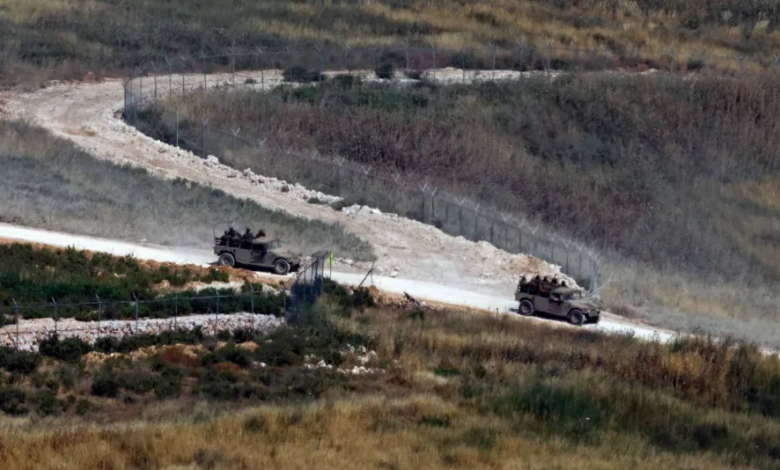

في ظل تصاعد خطير للمواجهات العسكرية على الحدود اللبنانية الإسرائيلية، تكثف الولايات المتحدة الأمريكية جهودها الدبلوماسية للدفع باتجاه ما وصفته بـ«تهدئة تدريجية»، في محاولة لنزع فتيل أزمة قد تشعل حرباً إقليمية واسعة. وتأتي هذه التحركات في وقت وصلت فيه التوترات إلى ذروتها منذ حرب عام 2006، مما يضع المنطقة بأكملها على حافة الهاوية، ويجعل من مهمة تحقيق التهدئة بين لبنان وإسرائيل أولوية قصوى للإدارة الأمريكية.
يقود هذه المساعي المبعوث الرئاسي الأمريكي آموس هوكستين، الذي يقوم بجولات مكوكية بين بيروت وتل أبيب، حاملاً مقترحات تهدف إلى إعادة الاستقرار إلى المنطقة الحدودية وتطبيق القرار الأممي 1701 بشكل كامل. المقترح الأمريكي يرتكز على خطوات متبادلة ومتزامنة، تبدأ بوقف إطلاق النار وتتطور إلى ترتيبات أمنية طويلة الأمد، بما في ذلك ابتعاد قوات حزب الله عن الحدود لمسافة معينة، مقابل وقف إسرائيل لطلعاتها الجوية وانتهاكاتها للسيادة اللبنانية.
جذور التوتر وخلفية الصراع الحدودي
لم تندلع المواجهات الحالية من فراغ، بل هي امتداد لصراع طويل ومعقد. فمنذ انتهاء حرب يوليو 2006، ساد هدوء حذر على الحدود بفضل انتشار قوات اليونيفيل والجيش اللبناني بموجب القرار 1701. إلا أن هذا الهدوء اهتز بشكل عنيف عقب أحداث السابع من أكتوبر 2023، حيث أعلن حزب الله فتح «جبهة إسناد» لقطاع غزة، ليبدأ تبادل القصف اليومي مع الجيش الإسرائيلي. هذا التصعيد أدى إلى نزوح عشرات الآلاف من المدنيين على جانبي الحدود، وتدمير كبير في البنية التحتية، وخلق واقعاً أمنياً متدهوراً يهدد بالانفجار في أي لحظة.
الدبلوماسية الأمريكية وجهود تحقيق التهدئة بين لبنان وإسرائيل
تدرك واشنطن أن اندلاع حرب شاملة بين إسرائيل وحزب الله سيكون له تداعيات كارثية تتجاوز حدود البلدين. فقدرات حزب الله العسكرية تطورت بشكل كبير منذ عام 2006، وأي مواجهة جديدة ستكون أكثر تدميراً، مع احتمال جر أطراف إقليمية أخرى إلى الصراع، وعلى رأسها إيران. من هذا المنطلق، تعمل الدبلوماسية الأمريكية على مسارين: الأول هو الضغط على جميع الأطراف لضبط النفس وتجنب الخطوات التي قد تؤدي إلى سوء تقدير، والثاني هو طرح حلول سياسية تضمن أمناً مستداماً. وتأمل واشنطن أن يؤدي التوصل إلى وقف لإطلاق النار في غزة إلى تسهيل مهمة خفض التصعيد على الجبهة اللبنانية، باعتبارهما جبهتين مترابطتين.
يبقى نجاح هذه الجهود مرهوناً بمدى استعداد الأطراف المعنية لتقديم تنازلات والابتعاد عن حافة الهاوية. فبينما تواصل الآلة العسكرية حصد الأرواح وتدمير الممتلكات، تبقى الآمال معلقة على أن تتمكن الدبلوماسية من إيجاد مخرج يجنب لبنان والمنطقة بأسرها حرباً مدمرة لا يريدها أحد، ولكن قد يجد الجميع أنفسهم متورطين فيها.