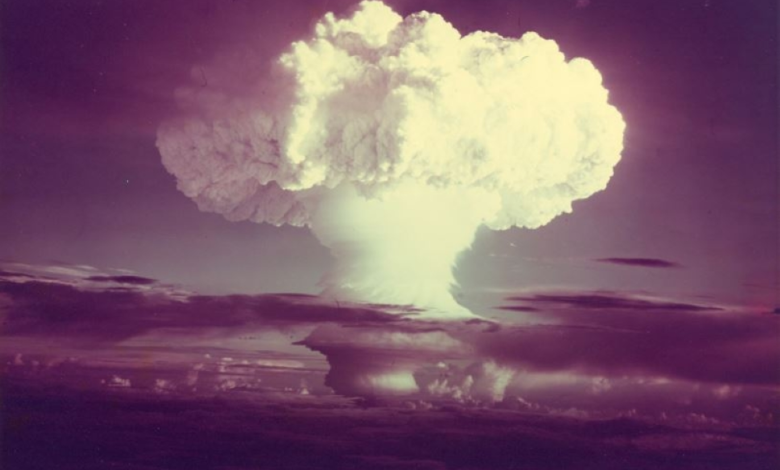

في تطور لافت يعيد للأذهان أجواء الحرب الباردة، أعلن مسؤول أمريكي رفيع المستوى عن استعداد الولايات المتحدة لاستئناف إجراء تجارب نووية، منهية بذلك التزاماً استمر لعقود بوقف هذا النوع من الاختبارات. ويأتي هذا الإعلان في توقيت حساس يشهد توترات جيوسياسية متصاعدة بين القوى العظمى، وتحديداً مع اقتراب نهاية صلاحية اتفاقيات الحد من التسلح الكبرى.
استعداد لسيناريوهات الردع النووي
أكد مساعد وزير الخارجية الأمريكي لشؤون ضبط الأسلحة وعدم انتشارها، أن واشنطن باتت جاهزة تقنياً وسياسياً لإجراء تجارب نووية ذات "قوة تفجيرية منخفضة". وأوضح المسؤول أن هذا التوجه يأتي تنفيذاً لرؤية الإدارة الأمريكية التي شددت في أكثر من مناسبة على ضرورة الحفاظ على جاهزية الترسانة النووية الأمريكية. وأشار إلى أن الحديث عن استئناف التجارب ليس مجرد تهديد جوفاء، بل هو خيار مطروح بجدية "على قدم المساواة" مع ما تقوم به القوى المنافسة.
اتهامات للصين وروسيا وتآكل الثقة
يرتبط هذا التحول الاستراتيجي بشكل مباشر بالاتهامات الأمريكية المتكررة لكل من الصين وروسيا. حيث تعتقد واشنطن أن بكين وموسكو تقومان سراً بإجراء تجارب نووية منخفضة المستوى، وهو ما يعتبر انتهاكاً للأعراف الدولية السائدة بخصوص وقف التجارب. ويرى المحللون أن الخطوة الأمريكية تأتي كمحاولة لفرض توازن رعب جديد، وإجبار الصين تحديداً على الجلوس إلى طاولة المفاوضات الخاصة بالحد من التسلح، وهو الأمر الذي طالما رفضته بكين.
خلفية تاريخية: من "آيفي مايك" إلى التجارب المحدودة
للتوضيح، أشار المسؤول الأمريكي إلى أن العودة للتجارب لا تعني تكرار سيناريوهات الخمسينيات المرعبة، مثل تجربة "آيفي مايك" (Ivy Mike) في عام 1952، والتي كانت أول اختبار لقنبلة هيدروجينية وأدت إلى محو جزيرة في المحيط الهادئ. بدلاً من ذلك، يدور الحديث حول تجارب تحت الأرض ومحكومة بدقة، تهدف لضمان فعالية الرؤوس الحربية دون التسبب في تلوث إشعاعي واسع النطاق. يذكر أن الولايات المتحدة لم تجرِ تجربة نووية تفجيرية منذ عام 1992، مكتفية منذ ذلك الحين بالمحاكاة الحاسوبية والاختبارات دون الحرجة.
مصير معاهدة "نيو ستارت"
يأتي هذا التصعيد بالتزامن مع الجدل الدائر حول معاهدة "نيو ستارت" (New START)، وهي آخر ركيزة متبقية للحد من الأسلحة النووية بين الولايات المتحدة وروسيا. ومع انقضاء المهل الزمنية وتزايد الشروط المتبادلة، بما في ذلك رغبة واشنطن في ضم الصين لأي اتفاق مستقبلي، يبدو أن العالم قد يكون على أعتاب سباق تسلح جديد يعتمد على تطوير نوعي للأسلحة النووية التكتيكية والاستراتيجية، مما يضع الأمن والسلم الدوليين أمام تحديات غير مسبوقة.