
Details of the crash of a US refueling plane in western Iraq
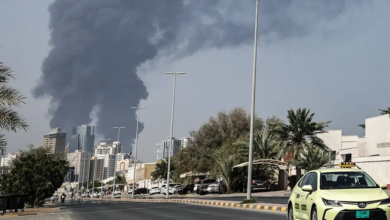
Security and military reports indicate that a US refueling aircraft crashed in western Iraq, a development that raises numerous questions about the causes and motives behind the incident. Military aircraft crashes are considered sensitive matters requiring immediate security mobilization. US forces and relevant Iraqi authorities quickly cordoned off the crash site to launch a comprehensive investigation aimed at determining whether the crash was due to a technical malfunction or a hostile act in a region experiencing ongoing security tensions.
General context and US military presence
US forces are stationed in Iraq as part of the international coalition against ISIS, and Ain al-Asad Air Base in Anbar province, western Iraq, is one of the largest and most important military bases hosting these forces. Historically, this area has played a crucial strategic role in military operations due to its proximity to the Syrian border, making it a vital launching point for air and logistical operations. While the role of US forces has shifted in recent years from combat missions to advisory and training roles, an air presence remains essential for providing air cover and intelligence gathering.
The strategic importance of refueling aircraft
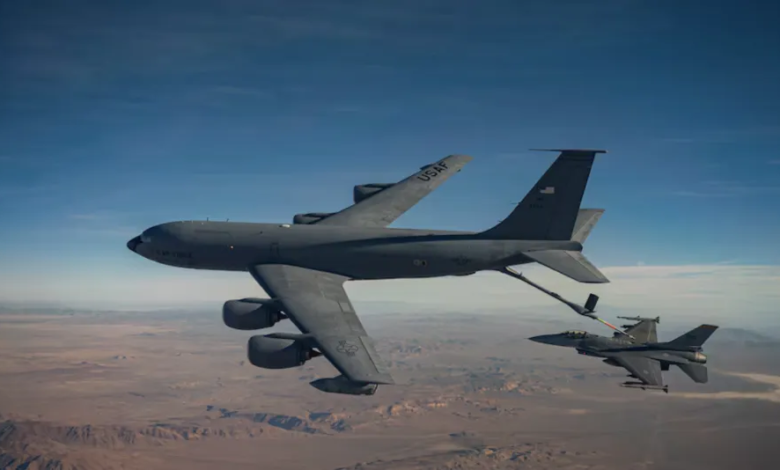
Aerial refueling aircraft, such as the KC-135 or KC-130, play a pivotal role in sustaining air operations. They serve as flying refueling stations, enabling fighter jets and drones to remain airborne for extended periods and expand their operational range without needing to return to base. Therefore, the loss of such an aircraft represents not only a significant material and military loss but also disrupts the smooth flow of logistical operations and routine sorties conducted by U.S. Central Command in the region to monitor suspicious movements and ensure regional security.
Local and regional repercussions of the incident
On the local and regional levels, the crash of a US refueling aircraft in western Iraq comes at a sensitive time, as the Middle East witnesses escalating geopolitical tensions. Within Iraq, armed factions often exploit such incidents to intensify their rhetoric demanding an end to the foreign military presence. The incident also presents the Iraqi government with additional challenges in balancing its security commitments to Washington with internal pressures. Regionally, actors in the area are closely monitoring these developments, as any weakening or decline in US logistical capabilities could be interpreted as an opportunity to shift the balance of power.
International impact and the future of the alliance
Internationally, the US administration places great importance on the safety of its military assets and troops deployed around the world. Such incidents typically lead to a comprehensive review of safety and maintenance protocols for military aircraft, as well as an assessment of security risks in conflict zones. In the context of ongoing talks between Baghdad and Washington regarding the future of the international coalition, this incident could cast a shadow over the negotiations, as the United States consistently emphasizes the need to provide a secure environment for its forces and equipment as long as its mission to support stability and prevent the resurgence of terrorist organizations continues.