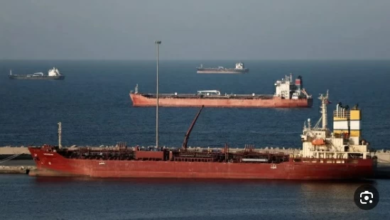

The White House has categorically ruled out any decisions regarding imposing restrictions or bans on oil and gas exports , amid the US administration's strenuous efforts to contain the accelerating rise in global and domestic energy prices, which came as a direct result of the escalating conflict and military tensions with Iran.
Urgent moves to contain the energy price crisis
A senior White House official confirmed to CNN that an export ban is not currently under consideration. While this option was among a range of proposals studied to address rising oil prices and their negative impact on US fuel prices, the administration preferred to explore alternatives that would not harm Washington's position as a reliable energy supplier. This decisive stance followed a strategic meeting between Vice President J.D. Vance, Energy Secretary Chris Wright, and top executives from oil companies, where the oil industry expressed strong and unequivocal opposition to any potential export restrictions, warning that such a move could have adverse economic consequences.
Suspension of the Jones Relief Act
In a move aimed at reducing operating costs, US President Donald Trump issued a decision to suspend the Jones Act, a maritime shipping law, for 60 days. This landmark law, enacted in 1920, prohibits foreign-flagged vessels from transporting goods between US ports. White House spokeswoman Carolyn Leavitt explained that this exceptional measure is intended to mitigate short-term disruptions in the oil market and will allow vital resources such as oil, natural gas, fertilizers, and coal to flow more freely and at a lower cost to US ports.
Historical context and importance of US oil and gas exports
oil and gas exports have gained significant strategic importance since the U.S. Congress lifted the more than 40-year-old ban on crude oil exports in late 2015. Since then, the United States has become one of the world's largest energy exporters. Imposing any new ban today would not only disrupt global markets but also deprive strategic allies of vital supplies, potentially forcing them to seek alternatives from other countries. This explains the current administration's eagerness to reassure markets and producing companies.
Geopolitical repercussions and global market pressures
These developments come at a time when global energy markets are under increasing pressure due to the ongoing conflict in the Gulf region, a vital artery for global oil flows. The US administration is striving to curb the sharp rise in gasoline prices and domestic inflation rates before they have a more profound impact on American consumers. In this context, Brent crude prices have risen significantly, as the disruption to supplies and production at some Gulf producers, along with attacks targeting energy infrastructure, have outweighed the positive effects of Iraq resuming its oil exports via pipeline to the Turkish port of Ceyhan.
The US administration is expected to announce a package of additional measures in the next few hours, following scheduled meetings at the American Petroleum Institute (API) headquarters, to ensure market stability and protect the economy from potential energy shocks.