Washington and Moscow: Commitment to nuclear stability despite the end of New START

In a remarkable development reflecting a shared desire to avoid a new arms race, the United States and Russia reaffirmed their fundamental commitment to maintaining nuclear stability , despite current geopolitical tensions and the expiration of some legal frameworks governing the strategic relationship between the two countries.
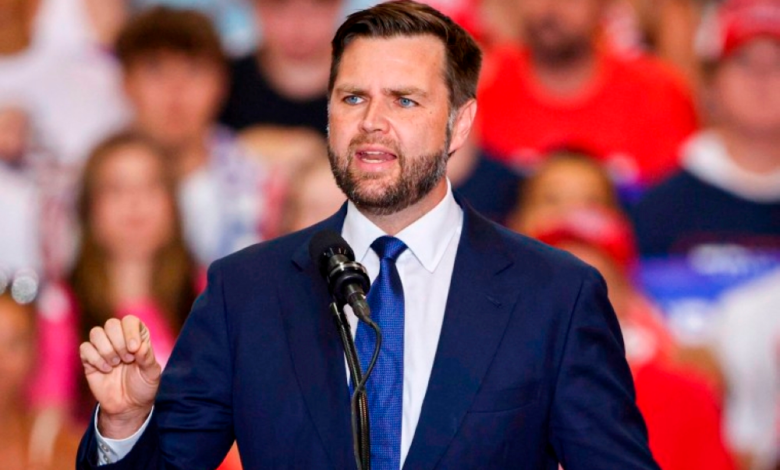
US Vice President J.D. Vance Washington's readiness on Thursday to open channels of constructive dialogue and work together with Russia and China, as well as other countries, to reduce global nuclear weapons stockpiles. In a statement reflecting the US administration's strategic de-escalation approach, Vance said, "Our country will work with China, Russia, and any other country, whether friend or foe, to try to reduce the number of nuclear weapons in the world," emphasizing that this step is "the most important thing we can do for international peace and stability."
The Kremlin's position and strategic responsibility
On the other hand, the Russian response was consistent with the need to maintain a balance. Kremlin spokesman Dmitry Peskov that Moscow continues to maintain a "responsible and measured" approach to strategic stability issues in the nuclear sphere. Peskov explained that this Russian commitment comes despite the expiration of the New START treaty between the two superpowers, which had imposed strict limits on strategic offensive weapons.
Historical background: The end of the "New Start" era
These statements are particularly significant given the legal vacuum created by the suspension of the New START Treaty. Signed in 2010, this treaty was the last remaining pillar of nuclear arms control between Washington and Moscow. Historically, the agreement stipulated limits on the two countries' nuclear arsenals, including:
- Deploy no more than operational nuclear warheads
- The number of launch systems (missiles and launchers) is set at 800 systems .
International and regional importance
Talk of nuclear cooperation comes at a time of major shifts in the global balance of power. The nuclear landscape is no longer bipolar, as it was during the Cold War, but has become far more complex with the rise of China as a major military power. The United States' call to include Beijing in arms control talks indicates a deep understanding that nuclear stability requires a multilateral framework.
Observers believe that the mutual assurances between Washington and Moscow, despite deep political differences on other issues, send a reassuring message to the international community that the world’s two largest nuclear powers understand the danger of sliding into uncontrolled nuclear chaos, and that dialogue remains the best option to ensure global security and peace.