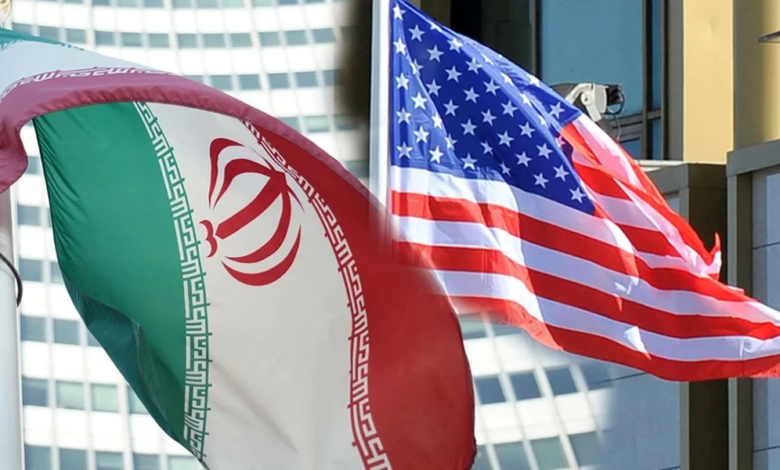

في خطوة تصعيدية جديدة، فرضت الولايات المتحدة الأمريكية حزمة عقوبات استهدفت أربعة كيانات مرتبطة بإيران، أبرزها منصة “نوبيتكس”، التي تُعد أكبر بورصة لتداول العملات الرقمية في البلاد. وتأتي هذه الخطوة في إطار تشديد الخناق على طهران، حيث تتهمها واشنطن باستغلال الأصول الرقمية كأداة للتحايل على النظام المالي العالمي وتجاوز العقوبات الأمريكية على إيران، وتمويل أنشطة تعتبرها واشنطن مزعزعة للاستقرار في المنطقة.
وأكدت وزارة الخزانة الأمريكية في بيانها أن النظام الإيراني يلجأ بشكل متزايد إلى التقنيات المالية الحديثة، وعلى رأسها العملات المشفرة، لإنشاء قنوات مالية بديلة بعيدًا عن الرقابة الدولية. وتهدف هذه الإجراءات إلى تجفيف منابع تمويل الشبكات التي تدعمها إيران، والتي تشمل وكلاء في مختلف أنحاء الشرق الأوسط.
خلفية الصراع الاقتصادي الطويل
تعود جذور المواجهة الاقتصادية بين واشنطن وطهران إلى عقود مضت، لكنها اكتسبت زخمًا جديدًا بعد انسحاب الولايات المتحدة من الاتفاق النووي (خطة العمل الشاملة المشتركة) في عام 2018. أدى هذا القرار إلى إعادة فرض عقوبات قاسية ضمن سياسة “الضغط الأقصى”، التي استهدفت قطاعات حيوية في الاقتصاد الإيراني، مثل النفط والبنوك، مما أدى إلى عزل طهران عن نظام “سويفت” العالمي للمدفوعات المصرفية. وفي مواجهة هذا الحصار المالي الشديد، بحثت إيران عن وسائل مبتكرة للحفاظ على تدفقاتها المالية، ووجدت في الطبيعة اللامركزية للعملات الرقمية ملاذًا محتملاً لتجاوز القيود المفروضة عليها.
العملات الرقمية كأداة لتجاوز العقوبات الأمريكية على إيران
برزت منصات مثل “نوبيتكس” كشريان حياة للاقتصاد الإيراني المعزول، حيث أتاحت للشركات والأفراد إجراء معاملات مالية دولية وتحويل الأموال دون المرور عبر القنوات المصرفية التقليدية الخاضعة للرقابة الأمريكية. وتعتمد هذه المنصات على تقنية البلوك تشين التي توفر درجة من إخفاء الهوية واللامركزية، مما يجعل تتبع المعاملات أكثر صعوبة على الجهات الرقابية. إن استهداف هذه المنصات بشكل مباشر يمثل ضربة نوعية، حيث تنتقل المعركة من النظام المالي التقليدي إلى الساحة الرقمية، مما يعكس إدراك واشنطن للتطورات التكنولوجية التي تستغلها الدول الخاضعة للعقوبات.
التداعيات الإقليمية والدولية
يأتي هذا التصعيد في سياق توترات جيوسياسية متصاعدة في الشرق الأوسط. وترى الإدارة الأمريكية أن هذه الأموال الرقمية تساهم في تمويل جماعات مسلحة في المنطقة، مثل حزب الله في لبنان، والحوثيين في اليمن، وفصائل أخرى في العراق وسوريا. ومن خلال فرض عقوبات على البنية التحتية للعملات الرقمية الإيرانية، تسعى واشنطن إلى تقييد قدرة طهران على دعم وكلائها الإقليميين. وعلى الصعيد الدولي، تبعث هذه الخطوة برسالة واضحة إلى قطاع العملات المشفرة العالمي بأن الولايات المتحدة لن تتسامح مع استخدام الأصول الرقمية في أنشطة غير مشروعة أو للتحايل على سياساتها الخارجية، مما قد يؤدي إلى زيادة التدقيق التنظيمي على المنصات في جميع أنحاء العالم.