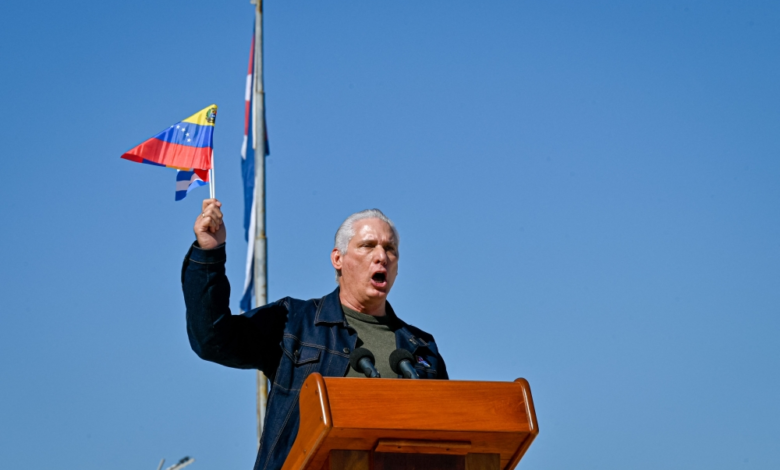

في خطوة تصعيدية جديدة، أعلنت الولايات المتحدة الأمريكية عن فرض حزمة عقوبات أمريكية على كوبا تستهدف بشكل مباشر الرئيس الكوبي ميغيل دياز-كانيل وأفرادًا من عائلته، بالإضافة إلى شخصيات نافذة من عائلة كاسترو. يأتي هذا القرار في سياق تكثيف إدارة الرئيس الأمريكي دونالد ترامب ضغوطها السياسية والاقتصادية على الحكومة الكوبية، بهدف إحداث تغيير في سياساتها الداخلية والخارجية.
وتشمل قائمة العقوبات، التي أعلنت عنها وزارة الخزانة الأمريكية، كلاً من ابن وحفيد الرئيس السابق راؤول كاسترو (95 عامًا)، الذي على الرغم من تنحيه عن المناصب الرسمية، لا يزال يُعتبر شخصية محورية في دائرة صنع القرار في هافانا. كما طالت الإجراءات زوجة الرئيس دياز-كانيل وابنه من زواج سابق، إلى جانب وزارة القوات المسلحة الثورية وكيانات أخرى مرتبطة بها، مما يعكس استهدافًا واسعًا للدائرة المقربة من السلطة.
جذور التوتر: تاريخ طويل من الحصار والعقوبات
العلاقات بين الولايات المتحدة وكوبا متوترة منذ عقود، وتحديدًا منذ الثورة الكوبية عام 1959 التي أوصلت فيدل كاسترو إلى السلطة. ردًا على تأميم الممتلكات الأمريكية وتقارب كوبا مع الاتحاد السوفيتي، فرضت واشنطن حظرًا اقتصاديًا وتجاريًا وماليًا شاملاً في عام 1962. هذا الحصار، الذي تصفه هافانا بأنه “حرب اقتصادية”، أثر بشكل عميق على حياة الكوبيين على مدى أكثر من ستة عقود. شهدت العلاقات فترة انفراج تاريخية قصيرة في عهد إدارة أوباما، لكن سرعان ما تراجعت هذه الجهود مع وصول الرئيس ترامب إلى البيت الأبيض، الذي أعاد تفعيل سياسة الضغط الأقصى وفرض عشرات الإجراءات العقابية الجديدة.
تداعيات القرار وأثره على مستقبل الجزيرة
من المتوقع أن تزيد هذه العقوبات من تفاقم الأزمة الاقتصادية الخانقة التي تعيشها كوبا، والتي تعاني بالفعل من نقص حاد في الغذاء والوقود والأدوية. تهدف واشنطن من خلال هذه الإجراءات إلى شل قدرة الحكومة الكوبية على تمويل عملياتها وتقييد وصولها إلى العملة الصعبة. على الصعيد الدولي، يُنظر إلى هذه الخطوة على أنها استمرار للسياسة الأمريكية الأحادية تجاه كوبا، وهي سياسة غالبًا ما تواجه إدانة واسعة في الجمعية العامة للأمم المتحدة. من جانبه، انتقد الرئيس الكوبي ميغيل دياز-كانيل القرار بشدة، واصفًا إياه بـ”العدواني والمنحرف”، ومؤكدًا أن هذه الإجراءات “تعزز الحصار وسيناريو النزاع بين البلدين”، وأن بلاده لن ترضخ للضغوط وستواصل “مقاومة الهجوم الإمبريالي”.