Washington seizes Russian oil tanker in the Atlantic: details of the operation

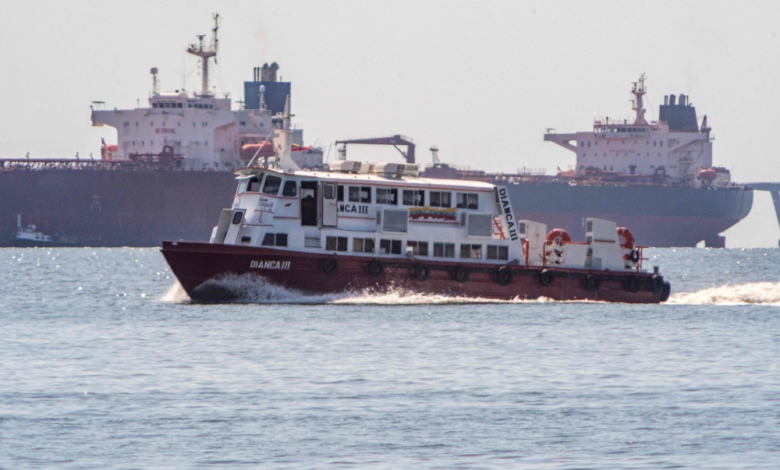
The United States officially announced that its forces had successfully seized a Russian oil tanker in the North Atlantic, marking a significant escalation in maritime tensions between the two superpowers. This announcement followed US media reports revealing that the US military had conducted a sophisticated operation on Wednesday, involving a naval pursuit to secure the tanker, while Moscow attempted to intervene by dispatching warships to escort the targeted vessel.
Details of the operation and naval pursuit
According to Fox News and CNN, the military operation was not a spur-of-the-moment decision, but rather the culmination of meticulous surveillance and monitoring. Reports indicate that the US move came just hours after intelligence and media reports suggested that Russia had deployed naval vessels to provide security and escort for the tanker, which Washington was already pursuing. These actions demonstrate the high level of tension in international waters, as Washington sought to assert its control before Russian reinforcements arrived or the tanker managed to escape.
The context of sanctions and the relationship with Venezuela
This incident cannot be separated from the broader context of US foreign policy, specifically the stringent economic sanctions imposed on Venezuela's energy sector. This operation falls within the framework of Washington's blockade of oil tankers suspected of transporting Venezuelan oil or dealing with the Caracas regime in violation of US sanctions. Russia is one of Venezuela's most prominent international allies, and Moscow has consistently provided logistical and political support to Caracas to circumvent Western sanctions, making Russian oil tankers targets of ongoing US surveillance.
Geopolitical dimensions of the event
This incident carries profound geopolitical implications that extend far beyond the mere seizure of an oil shipment. It reflects the United States' determination to enforce its laws and sanctions extraterritorially, even if it means intercepting vessels belonging to major powers like Russia on the high seas. Furthermore, the incident underscores Russia's ongoing challenge to American dominance in international waterways. It is expected to further strain already tense diplomatic relations between Washington and Moscow and could trigger diplomatic repercussions or similar actions in other spheres of influence, further complicating the international landscape and global energy security.