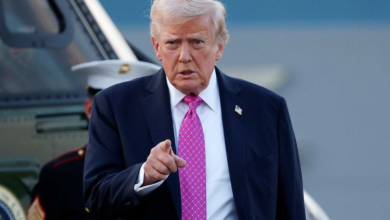

وصل وفد رفيع المستوى من مجلس الشيوخ الأمريكي إلى جرينلاند، يوم الاثنين، في زيارة دبلوماسية تهدف بشكل رئيسي إلى إعادة بناء جسور الثقة التي تصدعت مؤخراً، واحتواء التوترات الناجمة عن تصريحات الرئيس دونالد ترامب ورغبته المعلنة في الاستحواذ على الجزيرة. وتأتي هذه الزيارة في توقيت حرج للعلاقات بين واشنطن وكوبنهاغن ونوك، وسط مخاوف متزايدة من تأثير هذه التجاذبات السياسية على التحالف الاستراتيجي في منطقة القطب الشمالي.
رسائل طمأنة من الكونجرس
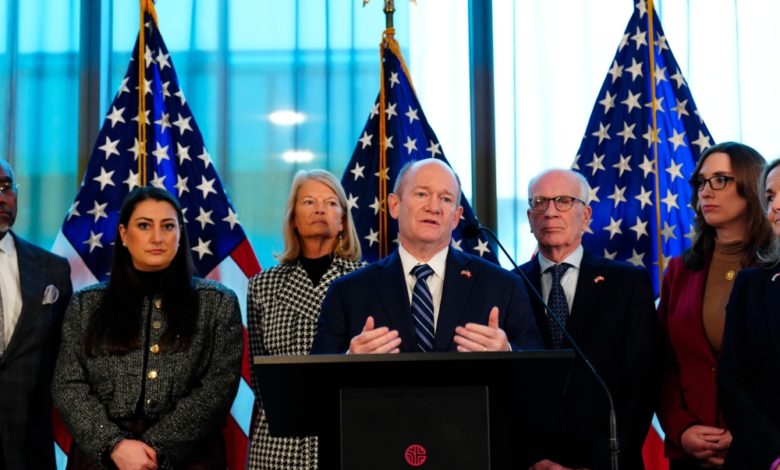
وضم الوفد الأمريكي شخصيات بارزة من الحزبين، تقدمتهم السيناتور الجمهورية ليزا موركوفسكي، والسيناتور المستقل أنجوس كينج، والديمقراطيان جاري بيترز وماجي حسن. وفي مؤتمر صحفي عقد خلال الزيارة، صرحت موركوفسكي بعبارات صريحة تعكس عمق الأزمة، قائلة: "ببضع جمل وبضع كلمات، تآكلت الثقة التي أرسيت منذ الحرب العالمية الثانية وانهارت، وعلينا العمل بجدية على إعادة بنائها". وأكدت السيناتور أن الوفد جاء ليؤكد لشركائهم في جرينلاند أن للكونجرس دوراً محورياً ومستقلاً في صياغة السياسة الخارجية، وأن تصريحات الرئيس لا تمثل بالضرورة الموقف المؤسسي الكامل للولايات المتحدة.
الأهمية الاستراتيجية لجرينلاند
لا يمكن فصل هذه الزيارة عن السياق الجيوسياسي المتصاعد في منطقة القطب الشمالي. فجرينلاند ليست مجرد جزيرة جليدية، بل هي موقع استراتيجي حيوي للأمن القومي الأمريكي وحلف الناتو. وتكتسب الجزيرة أهميتها من موقعها الجغرافي الذي يشكل بوابة للقطب الشمالي، وهي المنطقة التي تشهد تنافساً دولياً متزايداً بين القوى العظمى، لا سيما مع روسيا والصين، للسيطرة على الموارد الطبيعية وطرق الملاحة الجديدة التي يفتحها ذوبان الجليد.
وقد زار الوفد القاعدة العسكرية الأمريكية في "بيتوفيك" (قاعدة ثول الجوية سابقاً)، والتي تعد حجر الزاوية في منظومة الإنذار المبكر الصاروخي للولايات المتحدة وحلفائها، مما يؤكد أن البعد الأمني يظل المحرك الأساسي للاهتمام الأمريكي بالجزيرة.
بين السيادة والشراكة
والتقى الوفد الأمريكي برئيس وزراء جرينلاند، ينس فريدريك نيلسن، ووزيرة الخارجية فيفان موتزفيلد. وتمحورت النقاشات حول التأكيد على مبدأ الشراكة بدلاً من التملك. وقال السيناتور جاري بيترز: "علينا الآن أن نستعيد الثقة.. نعدكم أصدقاء، ونريد أن تعدوننا أيضاً أصدقاء لكم". ويأتي هذا الخطاب الدبلوماسي الهادئ كمحاولة لمحو آثار تصريحات ترامب في يناير الماضي، والتي هدد فيها بالسيطرة على الجزيرة، قبل أن يتراجع ويعلن عن إطار للتفاوض عبر حلف الناتو.
الخلفية التاريخية والموقف الدنماركي
تاريخياً، حاولت الولايات المتحدة شراء جرينلاند أكثر من مرة، أبرزها عرض الرئيس هاري ترومان في عام 1946، إلا أن الديناميكيات الدولية اليوم تختلف جذرياً. وتؤكد الدنمارك وجرينلاند بشكل قاطع أن السيادة ووحدة الأراضي خط أحمر غير قابل للتفاوض، مع إبداء المرونة في التعاون الأمني والعسكري لمواجهة التحديات المشتركة. وقد تم تشكيل مجموعة عمل تضم ممثلين عن الأطراف الثلاثة لبحث سبل تعزيز التعاون دون المساس بالحقوق السيادية لسكان الجزيرة.