
في تطور ميداني يعكس استمرار حالة التوتر في الممرات المائية الاستراتيجية بالشرق الأوسط، أعلنت الولايات المتحدة الأمريكية رسمياً عن إسقاط طائرة مسيّرة إيرانية قامت بمناورات وصفت بـ “العدائية” بالقرب من مجموعة بحرية أمريكية في بحر العرب. الحادثة التي وقعت يوم الثلاثاء، تسلط الضوء مجدداً على الاحتكاكات المستمرة بين القوات البحرية الأمريكية والجانب الإيراني في المنطقة.
تفاصيل الاشتباك الجوي
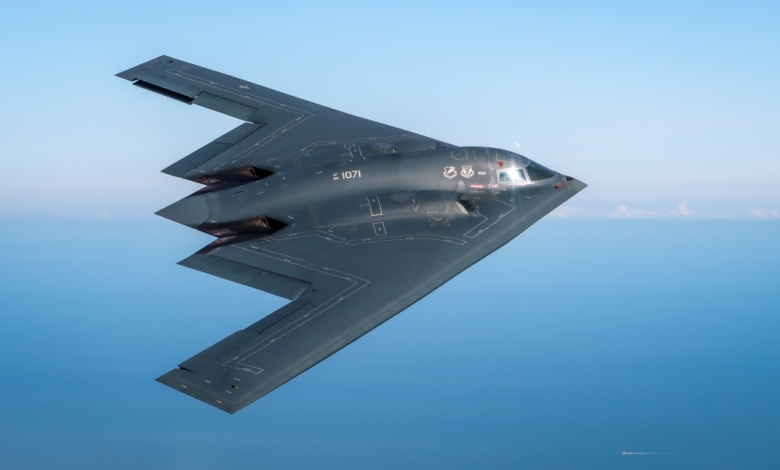
وفقاً لما صرح به المتحدث باسم القيادة المركزية الأمريكية، النقيب تيم هوكينز، فإن الطائرة المسيّرة الإيرانية تجاهلت التحذيرات واقتربت بشكل خطير من حاملة الطائرات العملاقة “يو إس إس أبراهام لينكولن”. ورداً على هذا التهديد، انطلقت مقاتلة متطورة من طراز “إف-35 سي” (F-35C Lightning II)، وهي النسخة المخصصة للعمل على حاملات الطائرات، لتعترض المسيرة وتسقطها فوراً. وأكد البيان العسكري أن الإجراء تم اتخاذه “دفاعاً عن النفس” ولضمان سلامة القطع البحرية والأفراد العاملين على متنها، مشيراً إلى عدم وقوع أي إصابات في صفوف القوات الأمريكية.
سياق التوترات الإقليمية
لا يعد هذا الحادث معزولاً، بل يأتي ضمن سلسلة من الاحتكاكات البحرية والجوية في منطقة الخليج العربي وبحر العرب ومضيق هرمز. وتتهم واشنطن طهران بانتظام بتهديد الملاحة الدولية واستخدام الطائرات المسيّرة لاستفزاز القطع البحرية الغربية، في حين تؤكد إيران حقها في مراقبة المياه الإقليمية والمناطق المجاورة لها. وتعتبر حاملة الطائرات “أبراهام لينكولن” جزءاً أساسياً من استراتيجية الردع الأمريكية في المنطقة، حيث يتم نشرها لضمان أمن الممرات المائية الحيوية التي تمر عبرها نسبة كبيرة من إمدادات الطاقة العالمية.
الأهمية الاستراتيجية للحدث
يحمل استخدام المقاتلة الشبحية “إف-35 سي” في هذه العملية دلالات عسكرية هامة، حيث يبرز الجاهزية القتالية العالية للقوات الأمريكية وقدرتها على التعامل السريع مع التهديدات الجوية الصغيرة والمسيرات الانتحارية أو الاستطلاعية. كما يبعث هذا الرد الحاسم برسالة واضحة حول قواعد الاشتباك الأمريكية في المياه الدولية، مفادها أن أي اقتراب غير محسوب من القطع العسكرية سيواجه برد فوري وحاسم. ويرى مراقبون أن تكرار مثل هذه الحوادث قد يرفع من منسوب التوتر الدبلوماسي والعسكري، مما يستدعي حذراً دولياً لضمان عدم انزلاق الأمور إلى مواجهات أوسع نطاقاً تؤثر على استقرار الاقتصاد العالمي وحركة التجارة الدولية.