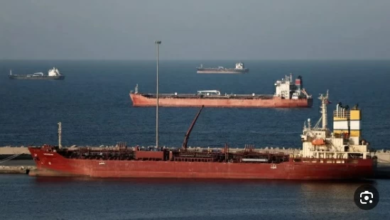

US moves towards using the strategic oil reserve
Amid escalating geopolitical tensions worldwide, US Treasury Secretary Scott Bisent announced that the United States is seriously considering releasing additional quantities from its Strategic Petroleum Reserve. This proactive measure aims to mitigate a potential surge in global oil prices, indicating that Washington possesses additional and effective tools to bolster market supplies and ensure global economic stability.
Details of the interview and strategic decisions
In a television interview with Fox Business, Besant explained that the US administration has handled the current crisis cautiously, allowing Iranian oil to continue flowing through the strategic Strait of Hormuz. The Secretary emphasized that Washington deliberately refrained from attacking Iran's energy infrastructure to avoid severe shocks to global energy markets that could lead to unprecedented spikes in fuel prices.
International support and joint coordination
In a related development, the US Treasury Secretary indicated that global markets could receive additional support from Washington's allies, particularly Japan. Tokyo is expected to contribute by releasing additional supplies from its strategic petroleum reserves, which would significantly help to stabilize prices and alleviate investor anxiety amid the current geopolitical tensions in the Middle East.
The historical context of US oil reserves
The U.S. Strategic Petroleum Reserve (SPR) is the world's largest emergency stockpile of crude oil. It was established in the 1970s following the 1973 Arab oil embargo, with the aim of protecting the U.S. economy from supply shocks. Throughout history, successive U.S. administrations have drawn on millions of barrels from this reserve during major crises, such as the Gulf War, Hurricane Katrina, and most recently in 2022 to control inflation and rising gasoline prices domestically. This historical legacy underscores the importance of this reserve as a vital tool for achieving economic security.
The impact of the event locally, regionally, and internationally
These US moves have far-reaching implications on several levels. Domestically , increased oil production helps lower fuel prices for American consumers, mitigating inflation and bolstering citizens' purchasing power. Regionally , maintaining the security of the Strait of Hormuz, through which roughly one-fifth of the world's daily oil consumption passes, is crucial for the stability of the Middle East and the flow of revenue to producing nations. Internationally , coordination with countries like Japan sends a reassuring message to global markets and helps prevent a global recession that could result from rising energy costs.
Trump's visit to China postponed
In a clear indication of the gravity of the current situation, Bisnett reported that US President Donald Trump decided to postpone his planned visit to China. The president preferred to remain in the United States to closely monitor developments in the war and tensions with Iran. This extraordinary move reflects the priority the US administration places on managing the current geopolitical crisis and its commitment to making appropriate decisions in real time to protect national and international interests.