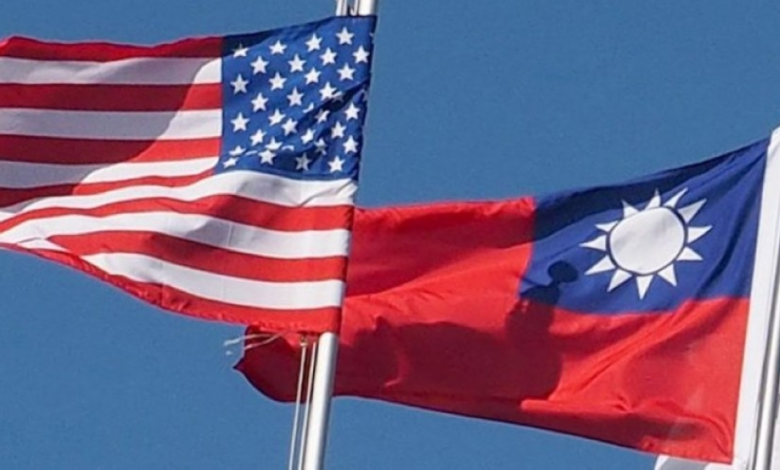

In a move reflecting strengthened strategic economic cooperation, the U.S. Department of Commerce announced a significant trade agreement with the Taiwanese government. This agreement aims to reduce tariffs on Taiwanese products from 20% to 15%, a move that reverses policies implemented by former President Donald Trump and places Taiwan on par with major U.S. trading partners such as Japan and the European Union.
Details of the reciprocal deal
Under this new agreement, Taiwan committed to making substantial investments in the United States. The agreement stipulates at least $250 billion in direct investments by leading Taiwanese semiconductor and chip companies to develop production lines within the US. In addition, another $250 billion was allocated to strengthen the semiconductor ecosystem infrastructure and support supply chains, bringing the total investment commitments to half a trillion dollars.
Historical background and importance of semiconductors
This agreement comes at a time when the world is engaged in a fierce race to control future technologies. Taiwan is home to some of the world's largest chip manufacturers, producing vital components used in everything from smartphones and cars to advanced weapons and artificial intelligence systems. In recent years, particularly since the supply chain disruptions caused by the COVID-19 pandemic, the United States has sought to reduce its reliance on overseas manufacturing and attract these critical industries to the US to ensure its economic national security.
Expected economic and geopolitical impact
This agreement carries profound implications that extend far beyond mere trade figures; it represents a strengthening of ties between Washington and Taipei amidst geopolitical tensions in the Pacific region. Economically, it will contribute to the creation of thousands of high-tech jobs in the United States and enhance the global competitiveness of American companies by securing a stable supply of semiconductors. Regionally, the tariff reduction sends a reassuring message to Taiwanese companies and encourages greater economic integration across the Pacific, reshaping the global trade landscape in the microtechnology sector.