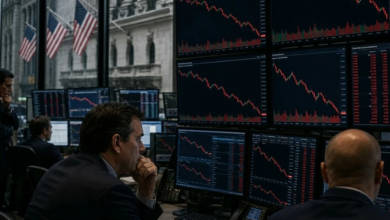

شهدت عوائد السندات الأمريكية انخفاضاً ملحوظاً خلال تعاملات اليوم، في ظل حالة من الترقب الحذر التي تسيطر على المستثمرين قبيل صدور بيانات اقتصادية هامة هذا الأسبوع، وعلى رأسها تقرير سوق العمل. يأتي هذا التراجع في وقت تتابع فيه الأسواق عن كثب أي تطورات إيجابية في المفاوضات الجيوسياسية، خاصة تلك المتعلقة بالملف الإيراني، والتي قد تحمل في طياتها تداعيات مباشرة على أسعار الطاقة ومعدلات التضخم العالمية.
وعلى مدار الأسبوعين الماضيين، سجل العائد على سندات الخزانة القياسية لأجل 10 سنوات تراجعاً تراكمياً بنحو 25 نقطة أساس. ويُعزى هذا الأداء بشكل كبير إلى المؤشرات التي توحي بإحراز تقدم في المحادثات الرامية إلى حل النزاع بين واشنطن وطهران، مما عزز الآمال بانخفاض أسعار النفط الخام. ويعتبر هذا التطور عاملاً إيجابياً لأسواق الدين، حيث إن تراجع تكاليف الطاقة يساهم في تخفيف الضغوط التضخمية، وهو ما يمنح البنك الاحتياطي الفيدرالي مرونة أكبر في سياسته النقدية.
ما الذي يحرك أسواق الدين العالمية؟
تعتبر سندات الخزانة الأمريكية بمثابة الملاذ الآمن الأول للمستثمرين حول العالم، وتتأثر عوائدها بمزيج معقد من العوامل الاقتصادية والسياسية. في الوقت الراهن، يتركز الاهتمام على محورين رئيسيين: البيانات الاقتصادية الداخلية، والتوترات الجيوسياسية الخارجية. بيانات سوق العمل، مثل تقرير الوظائف الشهري، تعد مؤشراً حيوياً على صحة الاقتصاد الأمريكي. فإذا جاءت الأرقام قوية، قد يفسرها ذلك على أنها إشارة إلى استمرار الضغوط التضخمية، مما يدفع الاحتياطي الفيدرالي إلى الإبقاء على أسعار الفائدة مرتفعة لفترة أطول، وهو ما يؤدي إلى ارتفاع عوائد السندات. وعلى العكس، تشير البيانات الضعيفة إلى تباطؤ اقتصادي قد يدفع الفيدرالي نحو خفض الفائدة، مما يضغط على العوائد للانخفاض.
أهمية مؤشر عوائد السندات الأمريكية للاقتصاد العالمي
لا يقتصر تأثير عوائد السندات الأمريكية على الولايات المتحدة وحدها، بل يمتد ليشمل النظام المالي العالمي بأسره. تُستخدم هذه العوائد كمعيار أساسي لتسعير مجموعة واسعة من الأصول المالية حول العالم، بدءاً من القروض العقارية وقروض الشركات في مختلف الدول، وصولاً إلى تقييم الاستثمارات في الأسواق الناشئة. فعندما تنخفض هذه العوائد، فإنها تجعل تكلفة الاقتراض أرخص على الصعيدين المحلي والدولي، مما قد يحفز النمو الاقتصادي. كما يؤثر مسارها على قيمة الدولار الأمريكي، الذي يعد عملة الاحتياطي الأولى في العالم، وبالتالي على تدفقات رؤوس الأموال العالمية.
توقعات الأسواق مقابل سياسة الفيدرالي
على الرغم من التراجع الأخير في العوائد، لا تزال الأسواق المالية تسعر احتمالية رفع أسعار الفائدة من قبل الاحتياطي الفيدرالي. وتُظهر عقود المقايضة الحالية تسعيراً لزيادة في الفائدة بمقدار 17 نقطة أساس بحلول نهاية العام الجاري، وهو ما يترجم إلى احتمالية تقارب 70% لرفع الفائدة بمقدار ربع نقطة مئوية. وفي نظرة أبعد مدى، تشير التوقعات إلى تسعير كامل لزيادة في أسعار الفائدة بحلول شهر مارس من عام 2027، مما يعكس حالة من عدم اليقين بشأن المسار طويل الأجل للسياسة النقدية في مواجهة التحديات الاقتصادية المستمرة.