
The refereeing crisis continues despite the presence of VAR technology
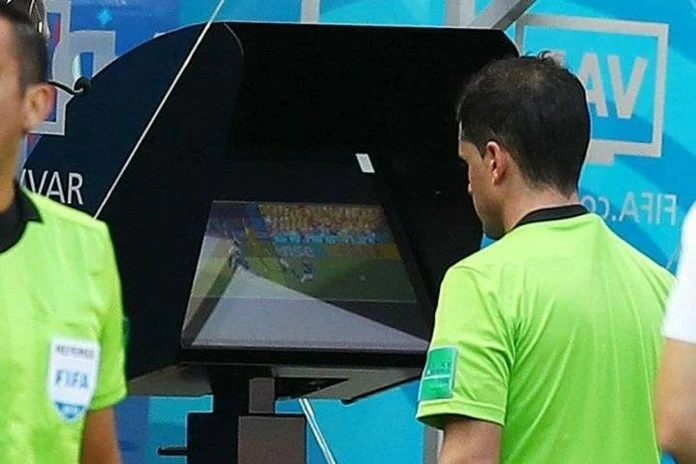
Sports arenas continue to witness widespread controversy and tension due to persistent and impactful refereeing errors, which have begun to directly influence the course and outcome of some crucial matches. This has sparked a massive wave of criticism and anger among fans and sports enthusiasts. With the recurrence of these blunders, especially in high-profile matches, questions are mounting about the standard of refereeing and the mechanisms for handling controversial situations. Responsibility is no longer limited to the on-field referee but extends to the Video Assistant Referee (VAR) , whose primary role is supposed to be to intervene in clear-cut plays to correct erroneous decisions.
Historical context and the primary purpose of VAR
Historically, VAR technology was officially adopted by the International Football Association Board (IFAB) and implemented with remarkable success globally, notably at the 2018 World Cup. The primary objective of introducing this technology was to achieve the principle of "maximum benefit with minimum intervention," ensuring fairness in football and minimizing human errors that could jeopardize the efforts of entire teams. With the technology's expansion to domestic and regional leagues, fans were optimistic about the end of an era of perceived refereeing injustices. However, practical application has demonstrated that technology alone is insufficient without a qualified team capable of handling it transparently and decisively, which has negatively impacted the marketing and competitive value of tournaments.
Talat Al-Hindi's statements regarding the decline in the level of referees
In this context, sports coach and football history expert Talaat Al-Hindi explained to Okaz newspaper that recent matches have witnessed egregious refereeing errors. He pointed out that many controversial decisions were made by referees, particularly in major matches, raising serious questions about the standard of refereeing, especially that of foreign referees at this time.
Al-Hindi added that the public previously believed that using foreign referees would reduce refereeing controversies and bring more fairness to competitions. However, reality has shown that the level of some of these foreign referees is now comparable to that of local referees in making incorrect decisions. This decline has led to a widening circle of criticism encompassing the entire refereeing system.
The impact of refereeing errors on clubs and fans
Locally and regionally, public anger has become palpable in the stands and on social media. Many fans feel that certain refereeing decisions have robbed their teams of deserved points, negatively impacting confidence in the fairness of the competition and exacerbating sports fanaticism. Although VAR technology was introduced to reduce these errors, some on-field referees ignore reviewing the footage despite its clarity, while VAR officials sometimes remain silent, citing non-interference or a reluctance to address the on-field referee. This raises legitimate questions about the system's operational mechanisms.
Lack of transparency and demands for accountability
The Indian official questioned who is responsible for holding these referees accountable. Clubs are always quick to issue official statements expressing their dissatisfaction with unfair decisions, but decisive rulings or clear measures reflecting actual accountability are rarely implemented. This lack of transparency, such as failing to clarify errors or release audio recordings of conversations between the on-field referee and the VAR room (as is done in some advanced leagues worldwide), opens the door to further speculation and exacerbates tensions within the sporting community.
Al-Hindi concluded his remarks by emphasizing that developing the refereeing system has become an urgent necessity to maintain the integrity of competitions. He stressed the importance of continuous evaluation of referees' performance and the effective use of VAR technology, along with the need to establish a clear accountability mechanism to ensure a reduction in errors and rebuild trust between fans and match officials.