
In a new diplomatic escalation reflecting the deep tensions between Latin American countries and the United States, Venezuela strongly condemned recent US measures, which it described as "punitive," against its strategic ally Cuba. This firm stance came in response to threats from Washington to impose tariffs and economic sanctions on any country or entity involved in supplying oil shipments to the Cuban capital, Havana.
A firm rejection of the American decisions
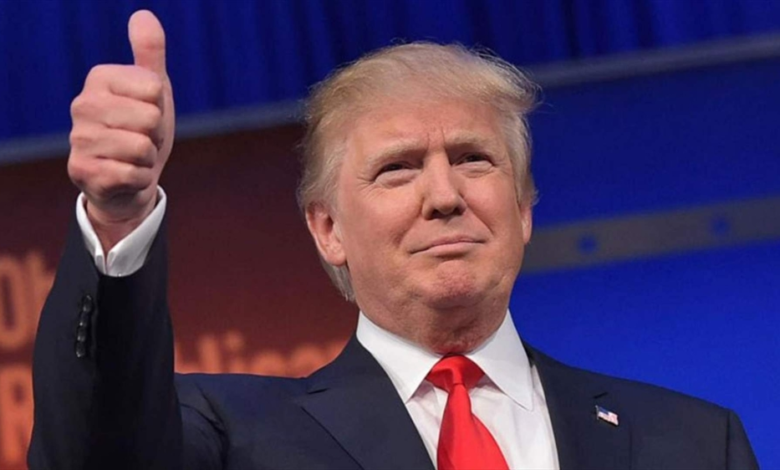
The Venezuelan Ministry of Foreign Affairs issued an official statement denouncing the executive order signed by former US President Donald Trump as a blatant violation of international trade laws. The ministry asserted that these measures constitute “illegitimate punitive actions against sovereign states that choose to maintain normal and legal trade relations with the Republic of Cuba.” The statement further indicated that these policies aim to cripple the Cuban economy and isolate the island from its regional and international environment.
Background to the conflict: Maximum pressure strategy
These developments come within a long history of hostility between the United States and Cuba, dating back to the 1960s with the imposition of a comprehensive economic embargo. However, the Trump administration saw a strong resurgence of the “maximum pressure” policy, with Washington seeking to sever Cuba’s economic lifeline, primarily Venezuelan oil supplies. The United States considers Cuba’s support for the Venezuelan regime to be a key factor in its survival, leading it to target the supply lines between the two countries.
Strategic alliance between Caracas and Havana
This event cannot be separated from the strong relationship between Venezuela and Cuba, firmly established during the presidencies of the late Hugo Chávez and Fidel Castro. This alliance is based on mutual benefit; Venezuela provides Cuba with oil at preferential prices in exchange for medical, advisory, and security services. Washington views this alliance as a threat to its interests in the Western Hemisphere, which explains its persistent efforts to sever the ties between the two countries through sanctions.
Calls for international action and humanitarian repercussions
In closing, Venezuela expressed its full solidarity with the Cuban people, who are facing immense economic challenges as a result of these sanctions. Caracas did not merely issue a verbal condemnation, but called on the international community and the United Nations to take “urgent collective action” to address the serious humanitarian consequences of such economic aggression. It warned that the continuation of the energy embargo could lead to a cost-of-living crisis that directly impacts the lives of ordinary citizens, and called for respect for the sovereignty of nations and their right to free trade.