Death toll in Maduro arrest operation: Cuba and Venezuela announce the count

In the aftermath of the U.S. military raid that rocked the Venezuelan capital, Caracas, and resulted in the arrest of President Nicolas Maduro, both Venezuela and Cuba revealed heavy casualties among their security and military forces, highlighting the scale of the clashes that took place during that fateful night.
Cuban authorities announced on Tuesday that 32 members of their security forces stationed in Venezuela were killed during the operation. According to details released by Havana, the list includes 21 members of the Ministry of the Interior, among them three high-ranking officers, as well as 11 members of the Revolutionary Armed Forces of Venezuela, most of whom were soldiers. This announcement underscores the depth of the Cuban military and security presence in Venezuela, a matter that has long been a subject of controversy and criticism from the United States and the Venezuelan opposition.
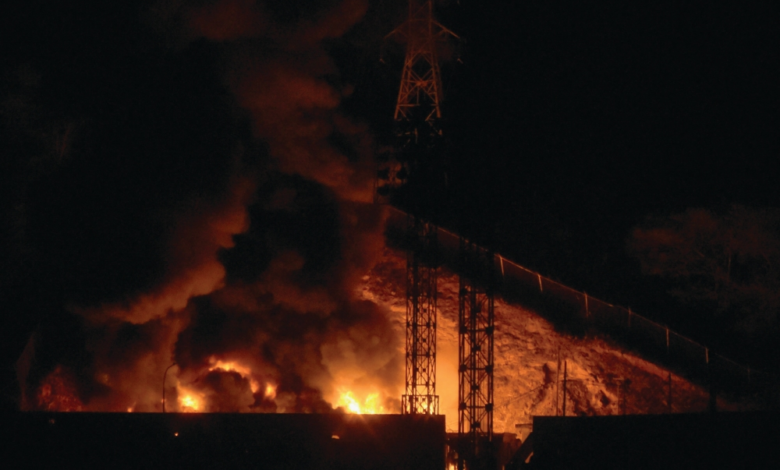
Simultaneously, the Venezuelan military published a list on its official Instagram account containing the names of 23 Venezuelan soldiers who were killed while resisting US forces. Venezuelan Defense Minister Vladimir Padrino stated that President Maduro's bodyguards were assassinated "in cold blood," indicating that US forces carried out airstrikes targeting the capital and three other states to secure the landing and arrest operation that targeted Maduro and his wife.
Details of the operation and historical context
US Defense Secretary Pete Hegseth confirmed that the operation carried out Friday night/Saturday morning involved approximately 200 US troops supported by 150 aircraft, in an unprecedented military deployment in the region. This event cannot be separated from the context of years of escalating tensions between Washington and Caracas. For years, the United States has imposed crippling economic sanctions on Venezuela, and in 2020, the US Department of Justice indicted Maduro on charges of “terrorism and drug trafficking,” offering a $15 million reward for information leading to his arrest—the domestic legal justification Washington used for its latest action.
Regional and international repercussions
This event has profound geopolitical repercussions that extend far beyond Venezuela's borders. Regionally, the killing of dozens of Cuban soldiers represents a significant blow to Havana, Maduro's closest strategic ally, and could lead to further security tensions in the Caribbean. Internationally, the direct military intervention and the arrest of a head of state have raised major legal and political questions about the concepts of national sovereignty and international law. Some countries and organizations consider the operation a dangerous precedent in international relations, while others view it as a necessary step to end a long-standing political and humanitarian crisis in Venezuela.