Venezuela calls on Washington to release Maduro before the Human Rights Council

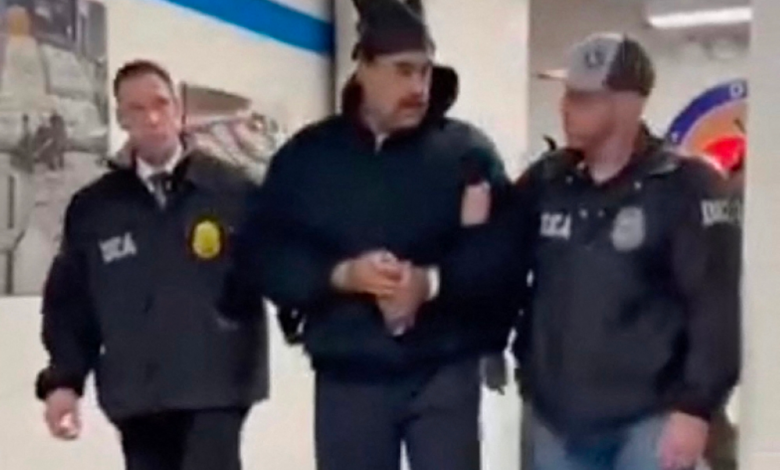
In a significant development in the geopolitical events in Latin America, Venezuelan Foreign Minister Ivan Gil Pinto demanded on Monday before the United Nations Human Rights Council the "immediate and unconditional" release of President Nicolas Maduro, who was arrested by the United States in a military operation that sparked widespread international controversy.
These demands were made during a speech delivered by Gil Pinto in Geneva, where he stressed that Venezuela would not relinquish its sovereignty, calling on the US administration to release what he described as "the constitutional president of the Bolivarian Republic of Venezuela, Nicolás Maduro Moros, and his wife, First Lady Cilia Flores." The minister asserted that January 3, 2016, marked "a very dangerous turning point" in the history of international relations, noting that the military action carried out by Washington resulted in the deaths of more than one hundred people, and describing the arrests as "arbitrary and illegal.".
Context of the historical tension between Caracas and Washington
These developments culminate years of escalating tensions between Caracas and Washington. The United States has long imposed harsh economic sanctions on Venezuela, accusing the Maduro government of human rights abuses and undermining democracy. Observers note that this direct military escalation sets a dangerous precedent in dealing with political crises in South America, where Washington has previously relied on economic pressure and diplomatic isolation.
Analysts believe that the arrest of a sitting head of state opens the door to complex international legal questions about sovereign immunity and the limits of foreign intervention, which is what Venezuela tried to focus on during its UN address to rally international support against what it called "imperialist aggression".
The path of peace and diplomacy despite the conflict
Despite the intensity of the conflict and the vast disparity in military and technological power between Venezuela and the United States, the Venezuelan Foreign Minister revealed a pragmatic approach to managing the crisis. Gil Pinto affirmed, "Despite this military action, we have chosen to open a diplomatic channel to resolve our differences with this country," indicating Caracas's desire to avoid the country descending into widespread chaos or open warfare.
In the absence of Maduro, who has ruled the country since March 2013, Delcy Rodríguez, who has served as vice president since 2018, is currently serving as interim president to ensure the continued functioning of state institutions. The minister explained that Venezuela has chosen "the path of peace and sovereignty," emphasizing the importance of dialogue without abandoning national principles, and the pursuit of internal reconciliation without neglecting the achievement of justice. In this regard, he pointed to the recently passed amnesty law as part of a process of "recognizing the wounds of the past and forgiving.".