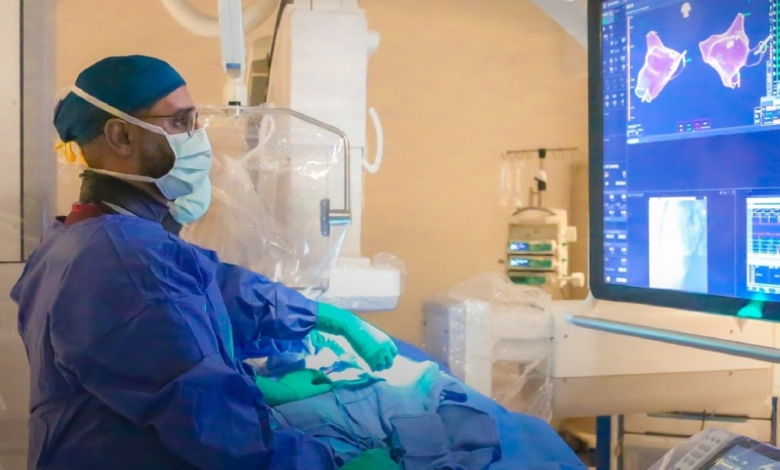
The Specialized Hospital in Jeddah offers therapeutic plasma exchange in outpatient clinics

In a move reflecting the Saudi Arabian healthcare sector's commitment to implementing the latest global standards in medical care, King Faisal Specialist Hospital and Research Centre in Jeddah announced the launch of its "Therapeutic Plasma Exchange" program in outpatient clinics. This initiative is part of the hospital's strategy to enhance patient experience and improve operational efficiency, representing a fundamental shift in the way treatment services are provided for complex cases.
This advanced medical procedure represents a significant leap forward in specialized healthcare, allowing patients to receive plasma exchange sessions without the need for traditional hospitalization. This shift greatly reduces pressure on hospital beds, freeing up beds for other critical cases requiring intensive clinical care, while also optimizing the use and allocation of medical and human resources.
The importance of plasma exchange and its medical impact
Therapeutic plasma exchange is a delicate and vital medical procedure commonly used to treat a range of intractable and complex diseases. These include autoimmune diseases, where the immune system attacks healthy cells, as well as severe poisoning and some rare blood disorders. Previously, this procedure required extended hospital stays, but its availability in outpatient clinics now reflects significant technological and administrative advancements within the hospital's healthcare system.
From a psychological and social perspective, this program offers patients significant flexibility, allowing them to receive treatment and return home on the same day. This helps them resume their normal lives and return to work and family more quickly. This humanitarian aspect is a cornerstone of improving quality of life, aligning with the goals of the Kingdom's Vision 2030, which prioritizes human health and well-being.
Global leadership and institutional excellence
This achievement further enhances the prestigious standing of King Faisal Specialist Hospital & Research Centre locally, regionally, and globally. The hospital was ranked first in the Middle East and North Africa and 15th globally in the 2025 list of the top 250 academic healthcare institutions. It was also named the most valuable healthcare brand in the Kingdom and the Middle East for 2024, according to Brand Finance.
Furthermore, the Specialist Hospital continues to lead the way in adopting modern technologies, having been included in Newsweek magazine's list of the world's best smart hospitals for 2025. The launch of the plasma exchange service in outpatient clinics underscores the hospital's commitment to emulating global best practices and localizing innovative treatment models to serve patients with the highest standards of quality and safety.