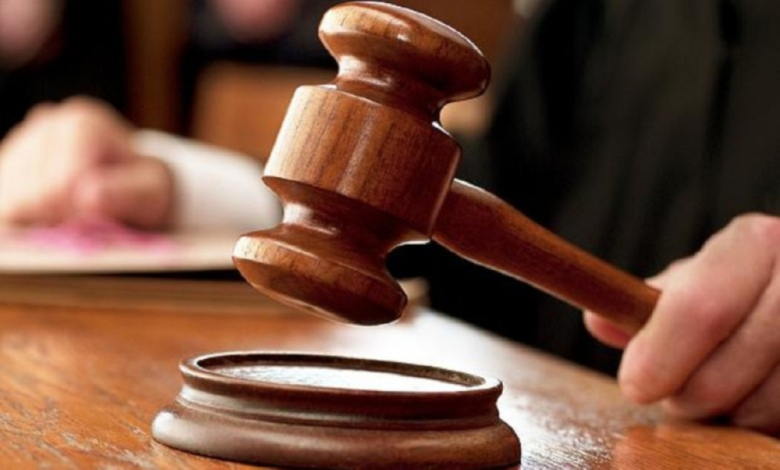
In a move reflecting radical political changes in the country, Venezuelan authorities announced on Saturday the release of 80 political prisoners as the first batch under a newly passed general amnesty law. The official announcement was made by the head of parliament, Jorge Rodríguez, who confirmed to Agence France-Presse that the releases were carried out in accordance with court orders issued in the capital, Caracas. He indicated that this step represents the beginning of a comprehensive amnesty targeting 379 people.
The context of political transition and the amnesty law
These rapid developments follow dramatic events in Venezuela at the beginning of the year, namely the arrest of President Nicolás Maduro on January 3 by US special forces, which paved the way for the formation of a transitional government that promised to turn the page on the past. Congressman Jorge Arreaza introduced an amnesty bill, which was passed by parliament, aimed at addressing the political and legal grievances left by years of sharp polarization in the country.
In a televised interview, Arreaza explained that the prisoners would be released gradually, confirming that the Public Prosecutor's Office had already submitted pardon requests to the relevant courts. The new law covers a long and sensitive period, from 1999 to 2026, encompassing the presidencies of Hugo Chávez and Nicolás Maduro. The law identifies 13 pivotal periods marked by political turmoil, widespread protests, and constitutional crises.
Dimensions of the decision and its expected effects
This decision carries implications beyond simply releasing detainees; it is seen as a cornerstone of the national reconciliation efforts that the transitional government seeks to establish. While the amnesty encompasses diverse categories, experts point to challenges in classifying certain cases, potentially excluding hundreds of prisoners, particularly members of the police and military who were imprisoned on charges previously labeled "terrorism." Nevertheless, Ariza affirmed that the military judiciary will review its own cases to grant amnesty where necessary, thus opening the door to broader legal settlements.
Observers of Latin American affairs believe that the successful implementation of this law will be a true test of the stability of Venezuela's transitional phase and its ability to restore civil peace after years of international isolation and economic crises. Furthermore, the amnesty's inclusion of the entire Chavista era indicates a desire to definitively close the book on the past and move towards building new state institutions based on political consensus, which could positively impact Venezuela's international relations and its regional environment in the near future.