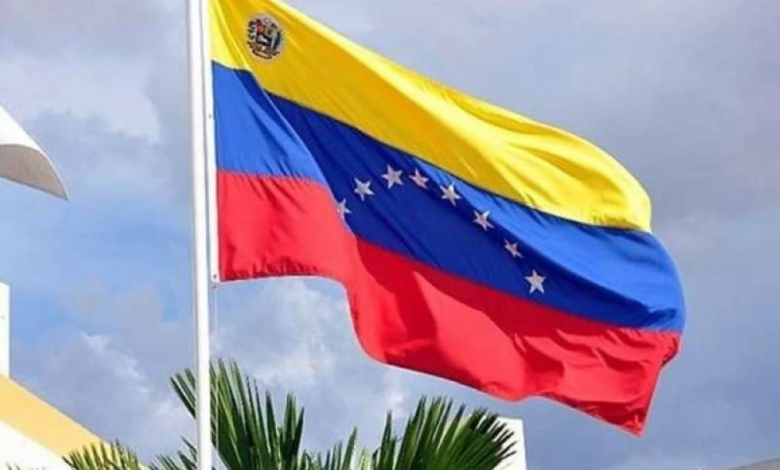

في تطور جيوسياسي واقتصادي لافت، كشفت وكالة "بلومبرج" الاقتصادية، اليوم الثلاثاء، عن وصول أول شحنة من النفط الخام الفنزويلي إلى إسرائيل، في خطوة تنهي سنوات طويلة من القطيعة التجارية والدبلوماسية بين البلدين. ويأتي هذا الحدث كمؤشر قوي على التحولات الجذرية التي تشهدها كاراكاس عقب المتغيرات السياسية الأخيرة التي أطاحت بحكم الرئيس نيكولاس مادورو.
وأفادت الوكالة، نقلاً عن مصادر مطلعة فضلت عدم الكشف عن هويتها، بأن ناقلة محملة بالخام الفنزويلي قد أفرغت حمولتها لصالح "مجموعة بازان" (Bazan Group)، التي تعد أكبر شركة لتكرير النفط في إسرائيل وتدير مصفاة حيفا الاستراتيجية. وتعتبر هذه الشحنة بمثابة إعلان غير رسمي عن عودة العلاقات التجارية في قطاع الطاقة، وتغير في بوصلة الصادرات الفنزويلية التي كانت تتجنب السوق الإسرائيلية لأسباب أيديولوجية وسياسية.
خلفية تاريخية: نهاية حقبة العداء الدبلوماسي
تكتسب هذه الصفقة أهميتها من السياق التاريخي للعلاقات بين البلدين؛ فقد شهدت العلاقات الفنزويلية الإسرائيلية تدهوراً حاداً وتجميداً كاملاً خلال العقدين الماضيين. بدأ هذا التوتر في عهد الرئيس الراحل هوغو تشافيز، الذي تبنى مواقف حادة تجاه إسرائيل وقطع العلاقات الدبلوماسية في عام 2009، وهو النهج الذي سار عليه خليفته نيكولاس مادورو.
ومع التطورات الأخيرة التي أشار إليها التقرير، والمتمثلة في عزل الولايات المتحدة لمادورو واعتقاله، يبدو أن السلطات الجديدة أو الجهات القائمة على إدارة قطاع النفط حالياً تسعى لكسر العزلة الدولية وإعادة بناء جسور التواصل مع حلفاء الولايات المتحدة، مما يمهد الطريق لعودة النفط الفنزويلي إلى الأسواق التي كانت محظورة سابقاً.
الدوافع الاقتصادية ومحاولة إنقاذ القطاع النفطي
تمتلك فنزويلا أكبر احتياطيات نفطية مؤكدة في العالم، تتركز معظمها في حزام أورينوكو، إلا أن هذا الثراء الطبيعي لم يمنع الانهيار الاقتصادي. فقد عانى قطاع الطاقة الفنزويلي من تراجع مريع في الإنتاج والصادرات بسبب العقوبات الأمريكية الصارمة، وسوء الإدارة، وتهالك البنية التحتية نتيجة غياب الاستثمارات والصيانة.
ويرى محللون اقتصاديون أن هذه الشحنة المتجهة إلى إسرائيل تعكس حاجة كاراكاس الماسة للسيولة النقدية (الكاش) لتمويل الاحتياجات الأساسية وإعادة تشغيل عجلة الاقتصاد. كما أن تنويع المشترين والتوجه نحو أسواق جديدة يعد استراتيجية ضرورية لتعويض سنوات الركود، خاصة في ظل التوقعات برفع تدريجي للعقوبات أو تخفيفها مع تغير المشهد السياسي.
تأثيرات الصفقة على أسواق الطاقة
على الرغم من عدم الإعلان رسمياً عن تفاصيل الصفقة من حيث الحجم أو السعر سواء من الجانب الفنزويلي أو من مجموعة بازان الإسرائيلية، إلا أن الحدث يحمل دلالات واسعة:
- إسرائيلياً: يمثل وصول الخام الفنزويلي تنويعاً مهماً لمصادر الطاقة، خاصة وأن المصافي الإسرائيلية قادرة على التعامل مع أنواع مختلفة من الخامات الثقيلة التي تشتهر بها فنزويلا.
- دولياً: تعطي هذه الخطوة إشارة للأسواق العالمية بأن النفط الفنزويلي قد يعود للتدفق بكميات أكبر، مما قد يؤثر على ديناميكيات العرض والطلب في المستقبل القريب.
وحتى اللحظة، تلتزم الأطراف الرسمية الصمت، لكن وصول الناقلة إلى حيفا يظل دليلاً ملموساً على بدء مرحلة جديدة من البراغماتية الاقتصادية التي تتجاوز الخلافات السياسية السابقة.