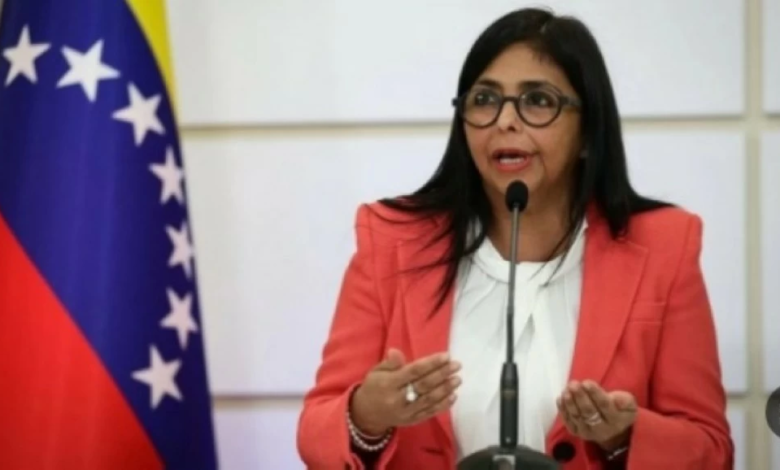

In a historic first for Latin America's energy sector, Venezuela's interim president, Delcy Rodríguez, announced that her country had signed its first official contract to export liquefied petroleum gas (LPG). This announcement marks a strategic turning point in the country's economic policy, which has long relied almost entirely on crude oil exports.
During the signing ceremony, which was broadcast on state television, Rodríguez declared, “Today we are witnessing a pivotal moment with the signing of the first liquefied petroleum gas (LPG) marketing contract in Venezuela’s history. We are fulfilling our commitments to the state and the people, and opening new horizons for the national economy.” This announcement comes as Caracas seeks to diversify its sources of foreign currency.
Jose Complex and Production Challenges
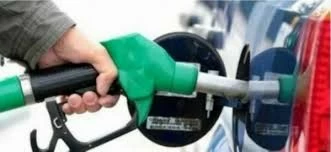
Liquefied petroleum gas (LPG) is primarily produced at the José refinery complex in the east of the country. Despite the complex's enormous potential, production levels have declined significantly in recent years. Experts attribute this decline to a lack of capital investment in infrastructure, outdated equipment, and administrative turmoil within the oil sector, which previously led to severe shortages in domestic supplies and negatively impacted the daily lives of citizens.
Wasted wealth: The gas burning dilemma
Technically, Venezuela possesses vast reserves of natural gas, often associated with oil extraction. For decades, the Venezuelan oil industry has faced criticism for flaring enormous quantities of this gas due to a lack of infrastructure for processing and exporting it, resulting in significant economic and environmental losses. The signing of the export contract represents a serious attempt to utilize this wasted resource instead of burning it, potentially generating substantial revenue for the national treasury.
Political and economic dimensions
This economic development cannot be separated from its complex political context. Expanding gas exports requires a stable geopolitical environment and careful coordination with international powers, including the United States, especially given the sanctions and complications left by the policies of the previous administration of President Donald Trump. The current administration, led by Rodríguez, seeks to reposition Venezuela as an attractive and open destination for foreign direct investment.
The government is working to ease the strict restrictions that have long hampered the energy sector, adapting to the new political reality. This opening aims to attract international companies to develop gas fields and modernize refineries, thereby strengthening Venezuela's position not only as an oil exporter but also as a potential major player in the regional and international gas market.