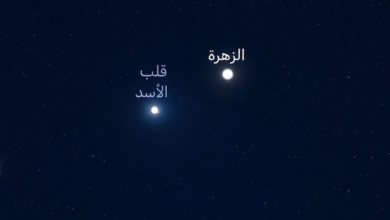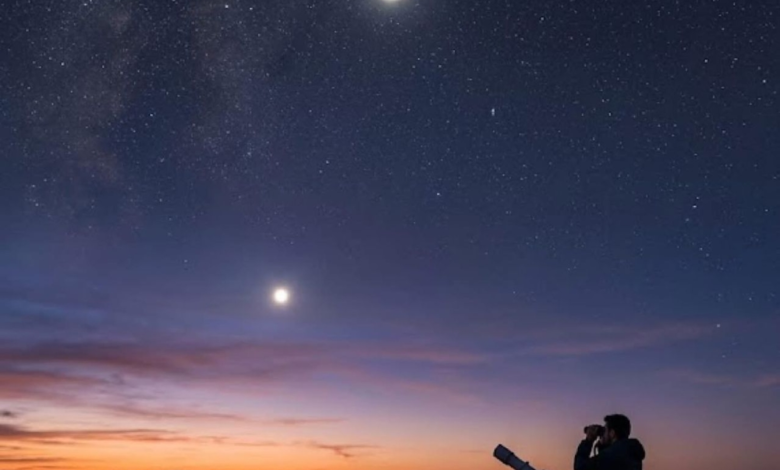

يستعد عشاق الفلك ومراقبو السماء في المملكة العربية السعودية والوطن العربي لحدث فلكي استثنائي في يونيو 2026، حيث سيشهد الأفق الغربي اقتران الزهرة والمشترى في مشهد سماوي ساحر يعد من أجمل الظواهر الفلكية للعام. وبحسب رئيس الجمعية الفلكية بجدة، المهندس ماجد أبوزاهرة، فإن هذا الشهر سيكون حافلاً بالعديد من العروض الكونية التي يمكن متابعتها بالعين المجردة، مما يجعله فرصة مثالية لهواة الفلك والمصورين على حد سواء.
لطالما أسرت ظواهر الاقتران الكوكبي خيال البشر عبر العصور. فمنذ الحضارات القديمة، كان يُنظر إلى تقارب الأجرام السماوية اللامعة كعلامات وإشارات مهمة. واقتران كوكبي الزهرة والمشترى، وهما ألمع كوكبين في سماء الأرض، يحمل أهمية خاصة لجماله البصري الأخاذ. هذا التقارب الظاهري، الذي يحدث نتيجة تزامن مدارات الكواكب حول الشمس من منظورنا الأرضي، يخلق وهماً بأن الجرمين السماويين على وشك الالتقاء، رغم أن ملايين الكيلومترات تفصل بينهما في الفضاء الشاسع.
موعد مع الجمال الكوني: تفاصيل اقتران الزهرة والمشترى
أوضح المهندس أبوزاهرة أن ذروة هذا الحدث السماوي ستكون يومي 8 و9 يونيو 2026. خلال هذين اليومين، سيتجه كوكبا الزهرة والمشترى تدريجياً نحو بعضهما البعض في قبة السماء بعد غروب الشمس مباشرة، ليصلا إلى أقرب مسافة ظاهرية، حيث سيفصل بينهما حوالي 1.5 درجة فقط. هذا التقارب الشديد سيجعلهما يظهران كنجم مزدوج شديد السطوع، وسيكون المشهد مرئياً بوضوح من جميع أنحاء المملكة ومعظم الدول العربية، حيث سيظهر الكوكبان منخفضين فوق الأفق الغربي في فترة الشفق المسائي. وأشار إلى أن كوكب الزهرة سيبدو أكثر سطوعاً من المشترى بشكل ملحوظ، مما يضفي على المشهد جمالاً استثنائياً.
أهمية الحدث الفلكي وتأثيره
تكمن أهمية هذا الحدث في كونه ظاهرة بصرية رائعة ومتاحة للجميع دون الحاجة لمعدات خاصة، مما يشجع على الاهتمام بعلم الفلك والفضاء. كما يوفر فرصة تعليمية قيمة للمدارس والجمعيات الفلكية لتنظيم فعاليات رصد عامة. بالنسبة لهواة التصوير الفلكي، يمثل هذا الاقتران فرصة ذهبية لالتقاط صور مذهلة تجمع الكوكبين اللامعين في إطار واحد مع المناظر الطبيعية للأرض. إن مثل هذه الأحداث تلهم الفضول العلمي لدى الأجيال الجديدة وتعمق ارتباط الإنسان بالكون من حوله.
أجندة يونيو الفلكية: ما وراء الاقتران
لا يقتصر شهر يونيو 2026 على هذا الاقتران فقط، بل يقدم مجموعة متنوعة من الظواهر الأخرى. ففي يومي 16 و17 يونيو، سيمر هلال القمر المتزايد بالقرب من الكواكب، حيث سيظهر مساء 16 يونيو قرب عطارد، ثم يقترب في مساء اليوم التالي من الزهرة، مانحاً الراصدين فرصة لمشاهدة جميلة تجمع الهلال الفتي مع ألمع كواكب السماء. كما سيشهد يوم 22 يونيو الانقلاب الصيفي في النصف الشمالي من الكرة الأرضية، معلناً بداية فصل الصيف فلكياً وأطول نهار في السنة. وخلال ليالي الشهر، ستبرز نجوم الصيف الشهيرة مثل المثلث الصيفي (النسر الواقع، الذنب، والنسر الطائر) وكوكبة العقرب التي يتوسطها نجم قلب العقرب الأحمر العملاق، بالإضافة إلى شريط مجرة درب التبانة الذي يزين السماء في المناطق البعيدة عن التلوث الضوئي.
فرص مميزة لأصحاب التلسكوبات
أضاف أبوزاهرة أن الأيام المحيطة بموعد الاقتران ستوفر فرصة مميزة لمستخدمي المناظير الفلكية والتلسكوبات. فمن خلال تلسكوب صغير، يمكن رؤية الكوكبين معاً داخل مجال رؤية واحد، وهي ظاهرة لا تتكرر كثيراً. سيتمكن الراصدون من مشاهدة أقمار غاليليو الأربعة التابعة للمشتري (آيو، وأوروبا، وغانيميد، وكاليستو) كنقاط ضوئية دقيقة بجوار الكوكب العملاق، بالإضافة إلى تفاصيل أخرى مثل عنقود خلية النحل النجمي في كوكبة السرطان.