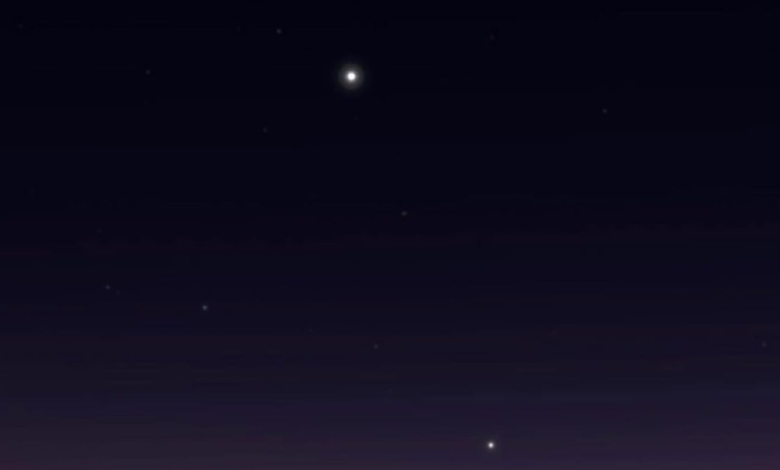

تستعد سماء المملكة العربية السعودية والمنطقة العربية لاستقبال حدث فلكي استثنائي، حيث أعلنت الجمعية الفلكية بجدة عن اقتران الزهرة والمشتري في عرض سماوي بديع خلال الأيام الأولى من شهر يونيو 2026. وأوضح رئيس الجمعية، المهندس ماجد أبوزاهرة، أن هذا المشهد سيكون من أجمل الظواهر الفلكية التي يمكن متابعتها بالعين المجردة، حيث سيظهر الكوكبان اللامعان متجاورين في الأفق الغربي بعد غروب الشمس مباشرة، ليقدما لوحة كونية ساحرة لهواة الفلك والمهتمين على حد سواء.
تعتبر ظاهرة الاقتران الكوكبي من الأحداث التي أسرت البشر منذ فجر التاريخ، فهي تحدث عندما يظهر جرمان سماويان أو أكثر قريبين من بعضهما البعض في السماء من منظور الراصد الأرضي. ورغم أن المسافات الفعلية التي تفصل بين هذه الكواكب في الفضاء شاسعة وتقدر بمئات الملايين من الكيلومترات، إلا أن محاذاتهما على خط نظر واحد من الأرض تخلق هذا التقارب الظاهري المذهل. وقد ارتبطت هذه الظواهر تاريخياً بالعديد من التفسيرات الثقافية والأسطورية لدى الحضارات القديمة، لكنها اليوم تمثل فرصة علمية وجمالية لفهم حركة الأجرام السماوية ضمن نظامنا الشمسي بدقة متناهية.
رقصة سماوية نادرة: تفاصيل اقتران الزهرة والمشتري
وفقاً للحسابات الفلكية، سيبدأ الكوكبان بالظهور بوضوح في سماء الشفق الغربي مع بداية شهر يونيو 2026، ويمكن رصدهما بسهولة. سيتميز كوكب الزهرة، المعروف بـ “نجم المساء”، بلمعانه الشديد كألمع جرم في السماء بعد الشمس والقمر، بينما سيظهر المشتري، عملاق المجموعة الشمسية، كنقطة ضوئية ساطعة بجواره. ستتقلص المسافة الزاوية الظاهرية بين الكوكبين تدريجياً يوماً بعد يوم، ليصلا إلى أقرب نقطة اقتران يومي 8 و9 يونيو، مما يجعل المشهد واحداً من أبرز وأجمل الظواهر الفلكية خلال العام.
ولن يقتصر العرض السماوي على هذا الثنائي اللامع، حيث أشار أبوزاهرة إلى أن كوكب عطارد، أصغر كواكب المجموعة الشمسية، سيبدأ بالظهور تدريجياً في سماء الشفق خلال الأيام التالية، لينضم إلى الزهرة والمشتري، مشكلاً مشهداً ثلاثياً نادراً نسبياً يزين الأفق الغربي. هذا التجمع الكوكبي يتيح فرصة لا تقدر بثمن للمصورين الفلكيين لتوثيق هذا الجمال الكوني.
دليل الراصدين: كيف تشاهد وتصور هذا الحدث الفريد؟
تمثل هذه الظاهرة فرصة مثالية لهواة التصوير الفلكي ومحبي مراقبة السماء. وللحصول على أفضل تجربة رصد، ينصح المهندس أبوزاهرة باختيار موقع يتمتع بأفق غربي مفتوح وبعيد عن مصادر التلوث الضوئي في المدن. تبدأ الفترة المثالية للرصد بعد حوالي 20 إلى 40 دقيقة من غروب الشمس، عندما تبدأ السماء في التعتيم تدريجياً مع بقاء الكواكب مرتفعة بشكل كافٍ فوق الأفق قبل أن تغرب. يمكن توثيق المشهد بسهولة باستخدام كاميرات الهواتف الذكية الحديثة أو الكاميرات الاحترافية للحصول على صور تذكارية لهذا الحدث.
واختتم أبوزاهرة حديثه بالتأكيد على أن مثل هذه الظواهر الفلكية طبيعية تماماً وليس لها أي تأثيرات على كوكب الأرض. إن قيمتها الحقيقية تكمن في كونها فرصة علمية وجمالية تساهم في فهم حركة الكواكب، وتتبع التغيرات اليومية في قبة السماء، بالإضافة إلى دورها في تعزيز الاهتمام بعلوم الفلك والفضاء لدى مختلف فئات المجتمع، وتشجيع الأجيال الجديدة على تأمل عجائب الكون.