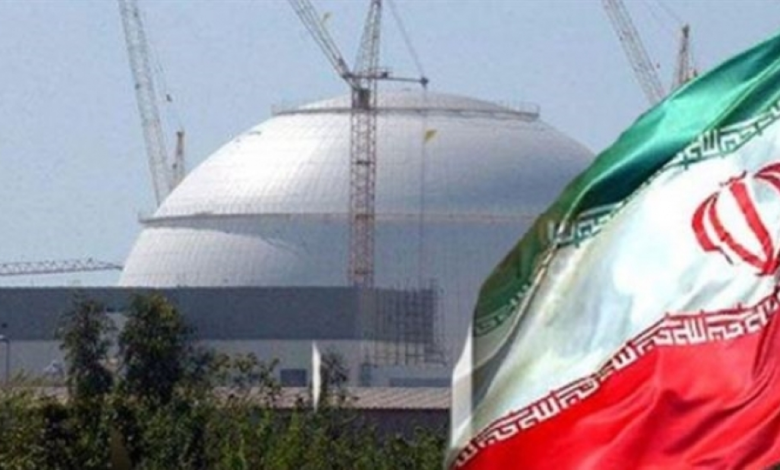
All eyes will be on Vienna, Austria, next week as it prepares to host a new round of detailed technical talks on Iran's nuclear program . These highly anticipated meetings, scheduled to begin on March 2, 2026, come at a particularly sensitive time, marked by escalating geopolitical tensions and intensive diplomatic efforts to avert military escalation in the Middle East.
Background of the crisis and context of the talks
These talks are of exceptional importance given the historical context of the crisis, which has worsened since the United States unilaterally withdrew from the nuclear agreement (the Joint Comprehensive Plan of Action) in 2018. Since then, Tehran has gradually reduced its nuclear commitments, accelerating its uranium enrichment activities and installing advanced centrifuges. The international community, through the International Atomic Energy Agency (IAEA), is seeking to reimpose rigorous monitoring and ensure the peaceful nature of Iran's nuclear program, particularly following recent indirect negotiations between Tehran and Washington aimed at de-escalating the situation.
Details of the International Atomic Energy Agency report
A recent report by the International Atomic Energy Agency (IAEA), to be presented to the Board of Governors meeting on Monday, reveals that IAEA Director General Rafael Grossi participated in Iranian-American talks held last February. The report emphasizes the need for "constructive" cooperation from Tehran to facilitate the implementation of safeguards measures. The agency describes its need to verify nuclear materials as "extremely urgent," particularly given the gaps in monitoring processes in the past.
In a related development, data indicated that Iran's stockpile of uranium enriched to 60% had reached alarming levels, hitting 440.9 kilograms by mid-June, a significant increase from the previous month. This level is raising concerns within the international community as it is technically close to the 90% threshold required for developing nuclear weapons, making transparency and compliance with the safeguards agreement crucial for international peace and security.
Regional and international influences
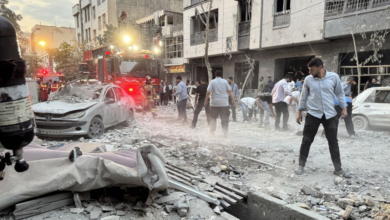
The importance of these talks extends beyond the technical aspects to encompass broader regional security dimensions. Continued ambiguity surrounding the nuclear program could fuel an arms race in the region and exacerbate instability, particularly following recent tensions and exchanges of fire. Therefore, the IAEA's success in restoring "continuity of access" to nuclear facilities is seen as a crucial step toward building trust and preventing the region from sliding into open conflict.
Draft resolution on Ukraine
Separately, and in parallel with the Iranian issue, diplomatic sources reported that Canada and the Netherlands are preparing a draft resolution for the IAEA Board of Governors concerning the safety of nuclear power plants in Ukraine. The draft aims to classify attacks on Ukrainian energy facilities as a direct threat to nuclear security, and calls on the IAEA Director General to propose additional preventative measures, reflecting the agency's growing role in managing global nuclear crises.