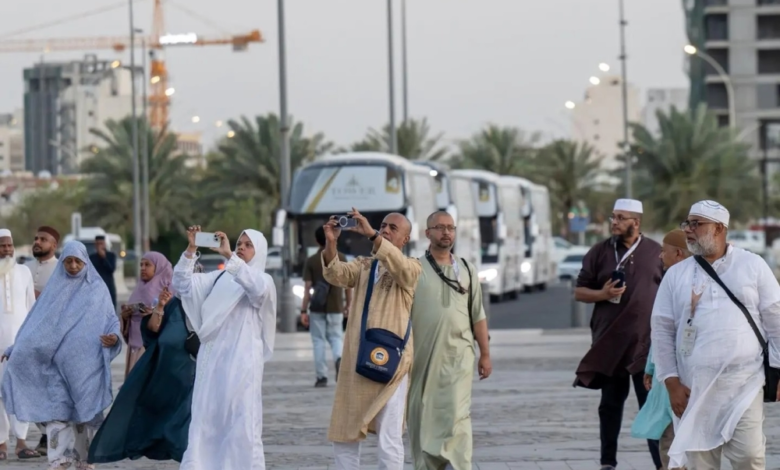

مع انتهاء مناسك الحج، تبدأ قلوب ضيوف الرحمن رحلة إيمانية جديدة، حيث تتجه أفواج الحجيج إلى المدينة المنورة، مدينة رسول الله صلى الله عليه وسلم، لاستكمال تجربتهم الروحانية. تشهد المدينة في هذه الفترة حركة نشطة وزخماً كبيراً، إذ يحرص الزوار على الصلاة في المسجد النبوي الشريف والتشرف بالسلام على النبي وصاحبيه، إلى جانب زيارة أبرز المعالم الإسلامية في المدينة المنورة التي تروي كل منها فصلاً خالداً من فصول السيرة النبوية العطرة والتاريخ الإسلامي المجيد.
المدينة المنورة: فصل جديد في رحلة الحاج الروحانية
لا تقتصر أهمية المدينة المنورة على كونها محطة تالية للحج، بل هي جزء لا يتجزأ من النسيج الروحي لهذه الرحلة. فهذه المدينة هي مهد الدولة الإسلامية الأولى، ومنها انطلق نور الإسلام ليعم أرجاء الأرض. إن السير في شوارعها وزيارة مواقعها التاريخية يمثل للمسلم استحضاراً حياً لتاريخه، وتجديداً للعهد مع المبادئ التي قامت عليها الأمة. هذه الزيارة تعمق فهم الحاج لمسيرة النبوة وتضحيات الجيل الأول من الصحابة، مما يضفي على رحلته بعداً تاريخياً وثقافياً يرسخ في وجدانه.
تمثل هذه الفترة أيضاً فرصة لتعزيز الروابط بين المسلمين من مختلف أنحاء العالم. ففي رحاب المسجد النبوي والمواقع التاريخية، تلتقي الثقافات والأعراق والألسنة المختلفة، объединенные برابطة الإيمان والمحبة، مما يعكس عالمية رسالة الإسلام وقيم الأخوة والتسامح التي تمثلها المدينة المنورة منذ عهد النبوة.
محطات إيمانية خالدة: أبرز المعالم الإسلامية في المدينة المنورة
تتعدد الوجهات التي يقصدها الزوار، ولكل منها رمزيتها الخاصة. يأتي في مقدمتها مسجد قباء، وهو أول مسجد بني في الإسلام، وقد شارك النبي صلى الله عليه وسلم في بنائه. يقصده الآلاف يومياً لأداء الصلاة فيه، استجابة لقول النبي بأن الصلاة فيه تعدل أجر عمرة. كما يحظى مسجد القبلتين باهتمام كبير من الزوار، لما يمثله من قيمة تاريخية فريدة، فهو المكان الذي شهد تحويل القبلة من المسجد الأقصى إلى المسجد الحرام، في حدث شكل نقطة تحول في تاريخ الأمة الإسلامية. ولا تكتمل الزيارة دون التوجه إلى منطقة جبل أحد، الموقع الذي شهد غزوة أحد الخالدة. هناك، يقف الزوار لاستذكار دروس التضحية والفداء، ويزورون مقبرة شهداء أحد للسلام عليهم والدعاء لهم، مستشعرين عظمة التاريخ الذي سُطر في هذا المكان.
جهود متكاملة لتسهيل تجربة الزوار
ولضمان انسيابية حركة الحشود وتوفير تجربة مريحة وآمنة، تعمل الجهات المعنية في المملكة العربية السعودية على تنفيذ خطط تشغيلية متكاملة. تشمل هذه الجهود تنظيم حركة النقل من وإلى المسجد النبوي والمواقع التاريخية عبر توفير حافلات ترددية، ونشر فرق إرشادية وتوعوية لخدمة الزوار بلغات متعددة، بالإضافة إلى تكثيف الخدمات الأمنية والصحية. إن استمرار تدفق الزوار بعد انتهاء مناسك الحج يؤكد على المكانة الدينية والتاريخية العظيمة التي تتمتع بها المدينة المنورة، كوجهة رئيسية يقصدها المسلمون من كل أنحاء العالم لاستلهام العبر وتعميق ارتباطهم بتاريخهم وحضارتهم الإسلامية.