Statistics on visitors to the Two Holy Mosques: 96 million visitors in 20 days

The General Authority for the Care of the Two Holy Mosques announced exceptional figures and impressive statistics reflecting the massive influx of Muslims from around the world. The Authority stated that the total number of pilgrims and visitors to the Two Holy Mosques reached 96,638,865 during the period from the beginning of Ramadan until the twentieth of the month in the year 1447 AH.
These impressive figures come according to precise operational indicators that measure the total number of entries to the prayer areas and Umrah routes, in a majestic scene that reflects the great spiritual and faith-based status that the Two Holy Mosques hold in the hearts of Muslims, and their keenness to perform acts of worship and recite the Qur’an in this holy month.
Statistics from the Grand Mosque: Millions of worshippers and pilgrims
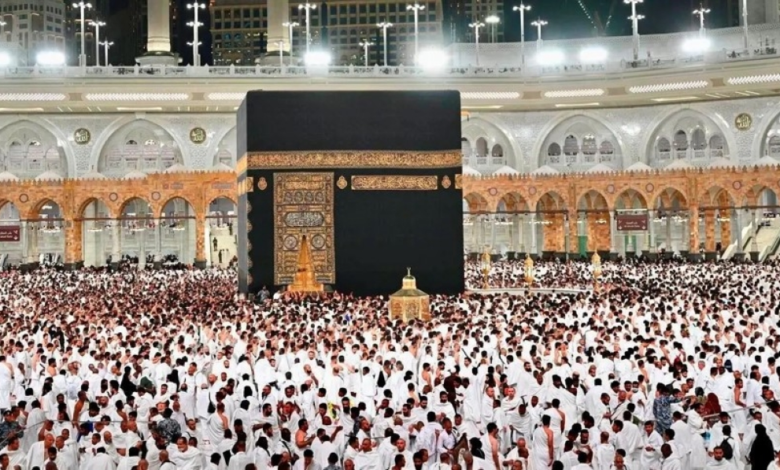
Regarding the Grand Mosque in Mecca, the General Authority reported that during the first twenty days of Ramadan, it received 57,595,401 worshippers who performed the five daily prayers, Taraweeh prayers, and Qiyam prayers in an atmosphere of tranquility and peace. In addition, the number of Umrah pilgrims reached 15,605,086, demonstrating the efficiency of crowd management and the facilitation of Tawaf and Sa'i routes to ensure the comfort of the pilgrims.
The Prophet's Mosque and the Noble Garden: Numbers that reflect spirituality
In Medina, statistics show that 21,143,259 worshippers performed the five daily prayers and the night prayers at the Prophet's Mosque. The Rawdah Ash-Sharifah (the area between the Prophet's grave and his pulpit) received significant attention from visitors, with 579,191 worshippers visiting it. Meanwhile, 1,715,928 people paid their respects to the Prophet Muhammad (peace and blessings be upon him) and his two companions (may God be pleased with them), all under meticulous organization to ensure smooth flow and prevent overcrowding.
Historical context and ongoing efforts to serve the guests of God
Historically, since its founding, the Kingdom of Saudi Arabia has placed serving the Two Holy Mosques and their visitors at the forefront of its priorities. Over the decades, the Grand Mosque in Mecca and the Prophet's Mosque in Medina have witnessed the largest expansions in Islamic history, encompassing infrastructure development, the expansion of courtyards, and the provision of state-of-the-art technologies for cooling and shading the spaces. These monumental efforts are now culminating in the goals of Saudi Vision 2030, which aspires to host 30 million Umrah pilgrims annually by streamlining visa procedures through digital platforms such as Nusuk, developing transportation networks like the Haramain High-Speed Railway, and increasing the capacity of airports and hotels.
Importance and expected impact: locally, regionally, and internationally
Receiving nearly 100 million visitors in just 20 days is not just a number, but an achievement with far-reaching implications and effects:
- At the local level, this influx of millions of pilgrims contributes to revitalizing the economic activity in Mecca and Medina, particularly in the hospitality, transportation, and retail sectors. It also opens up thousands of job and volunteer opportunities for young Saudis to participate in the honor of serving the pilgrims.
- At the regional and international levels, this operational success highlights the Kingdom's soft power and its exceptional and globally unique ability to manage millions of visitors in specific geographical areas and at simultaneous times, without any incidents that might disrupt the experience. This reinforces the confidence of the entire Muslim world in the exceptional care that the Saudi leadership provides to the Islamic holy sites.
Integrated system and high operational readiness
In its concluding remarks, the General Authority for the Care of the Two Holy Mosques affirmed that these millions of visitors reflect the high level of operational readiness and complete integration among all governmental, security, health, and volunteer entities. The system of services provided to pilgrims during Ramadan operates tirelessly, ensuring smooth flow of movement and creating a safe and healthy environment for worship, enabling visitors to perform their rituals with ease and comfort.