Investment opportunities worth 70 billion riyals at the Public Investment Fund Forum

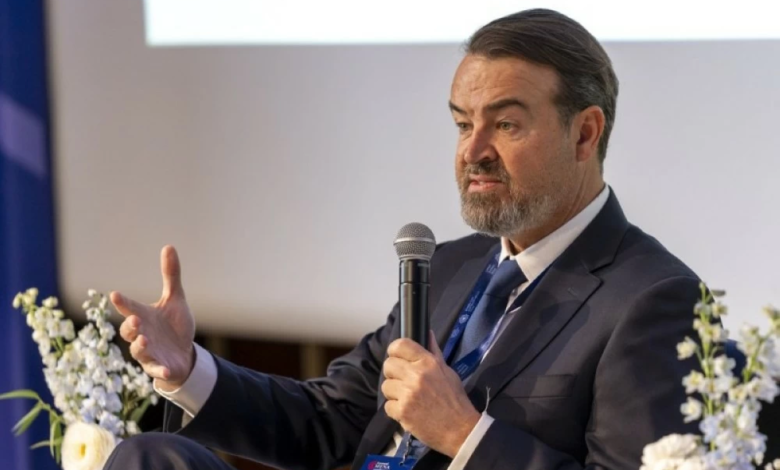
In a strategic move reflecting Saudi Arabia’s commitment to strengthening public-private partnerships, Jerry Todd, Head of National Development at the Public Investment Fund (PIF), announced a massive package of investment opportunities exceeding SAR 70 billion. This announcement was made during the PIF-Private Sector Forum, which aims to build strong bridges of cooperation and develop a competitive and innovative private sector in line with the goals of Saudi Vision 2030.
Details of investment opportunities and support programs
In his opening remarks, Todd explained that this year's forum was distinguished by its dedicated one-on-one meetings with companies, aimed at reviewing and sharing investment opportunities in a precise and effective manner. He noted that over 120 investment opportunities specifically for localization were accessible via dedicated screens at the forum venue, with specialized teams available to provide technical support and assistance in booking immediate meetings.
He also noted that the fund provides comprehensive and detailed information on 7 key support programs, specifically designed to facilitate the investor journey and overcome any obstacles they may face, thus confirming the fund’s role as a key driver of the national economy and not just a financing entity.
The economic context and the role of the Public Investment Fund
This announcement comes amidst the significant economic transformation the Kingdom has been undergoing since the launch of Vision 2030, with the Public Investment Fund (PIF) playing a key role in driving economic diversification. The PIF is no longer solely focused on foreign investments; it is now placing considerable emphasis on developing the local economy and increasing the private sector's contribution to GDP, a goal set by Vision 2030 at 65%.
These initiatives are part of the Fund’s strategy to empower local suppliers and localize industries and services, thereby reducing reliance on imports and promoting the creation of new and sustainable job opportunities for citizens, in addition to transferring knowledge and technology to the Saudi market.
Mechanisms for benefiting from the forum
In detailing the mechanisms of participation, Jerry Todd identified four main ways in which participants can maximize the benefits of the forum:
- Attending presentations and workshops: to gain up-to-date information and learn about future trends.
- Contacting portfolio companies: Investors can view the fund's portfolio companies and ask them directly about their programs and needs.
- Visit Opportunity Points: to explore available opportunities and hold bilateral meetings.
- Connecting with existing investors: Engaging with over 100 companies that have already begun their investment journey in the Kingdom to benefit from their experiences.
This economic activity demonstrates the Fund’s commitment to creating an attractive and transparent investment environment, which enhances the Kingdom’s position as a leading investment destination regionally and globally.