
تراجع حاد في مؤشرات وول ستريت
شهدت الأسواق المالية العالمية هزة جديدة مع بداية تعاملات اليوم، حيث انخفضت مؤشرات «وول ستريت» الرئيسية بشكل ملحوظ. يأتي هذا التراجع الحاد في أعقاب فشل المحادثات الدبلوماسية بين الولايات المتحدة الأمريكية وإيران مطلع الأسبوع الحالي، والتي كانت تهدف إلى التوصل لاتفاق ينهي حالة التوتر المتصاعدة. هذا التعثر الدبلوماسي ألقى بظلاله السلبية على ثقة المستثمرين، مما يهدد بوقف الانتعاش الطفيف الذي شهدته أسواق الأسهم مؤخراً، وينذر بموجة جديدة من التقلبات الاقتصادية الحادة.
خسائر بالأرقام في بورصة نيويورك
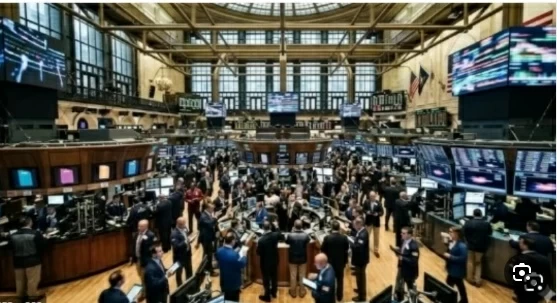
على صعيد الأرقام، عكست الشاشات الحمراء في بورصة نيويورك حجم القلق المالي. فقد تراجع مؤشر داو جونز الصناعي بمقدار 198.4 نقطة، أي بنسبة بلغت 0.41%، ليستقر عند مستوى 47718.21 نقطة عند الفتح. وفي السياق ذاته، خسر مؤشر ستاندرد آند بورز 500 الأوسع نطاقاً حوالي 10.4 نقطة، أو ما يعادل 0.15%، ليصل إلى 6806.47 نقطة. كما لم يسلم مؤشر ناسداك المجمع، الذي تغلب عليه أسهم شركات التكنولوجيا، من هذه الموجة البيعية، حيث فقد 53.7 نقطة، بنسبة تراجع بلغت 0.23%، مسجلاً 22849.23 نقطة.
السياق الجيوسياسي وأهمية مضيق هرمز
تاريخياً، طالما كانت التوترات بين واشنطن وطهران محركاً رئيسياً لتقلبات الأسواق، خاصة عندما يتعلق الأمر بأمن الملاحة في منطقة الخليج العربي. مضيق هرمز، الذي يمر عبره نحو خُمس استهلاك العالم من النفط يومياً، يعتبر شرياناً حيوياً للاقتصاد العالمي. أي تهديد أو تلويح بإغلاق هذا الممر المائي الاستراتيجي يؤدي فوراً إلى ارتفاع علاوة المخاطر الجيوسياسية، مما يدفع المستثمرين للهروب من الأصول ذات المخاطر العالية مثل الأسهم، واللجوء إلى الملاذات الآمنة كالذهب والسندات الحكومية.
سيطرة بحرية أمريكية صارمة
وفي تطور ميداني يعكس خطورة الموقف، أعلنت القيادة المركزية الأمريكية عن خطوات تصعيدية لضمان أمن الملاحة. وفي إشعار رسمي موجه للبحارة، أكدت القيادة أن الجيش الأمريكي سيفرض سيطرة بحرية صارمة في مياه خليج عُمان وبحر العرب، وتحديداً في المنطقة الواقعة شرقي مضيق هرمز. وأوضح البيان العسكري أن هذا الإجراء الاستثنائي، الذي يبدأ سريانه اليوم، سيشمل جميع السفن التجارية والعسكرية المارة في تلك المياه، بغض النظر عن العلم الذي ترفعه تلك السفن.
وقد تضمن الإشعار الأمريكي تحذيرات واضحة وصريحة، حيث نص على أن «أي سفينة تحاول الدخول أو المغادرة من المنطقة المحاصرة دون الحصول على تصريح مسبق، ستكون معرضة للاعتراض الفوري، أو تحويل المسار، أو حتى الاحتجاز». هذه الإجراءات الصارمة تعيد إلى الأذهان حوادث احتجاز الناقلات التي شهدتها المنطقة في السنوات الماضية، والتي أدت إلى أزمات دبلوماسية معقدة وتأثيرات مباشرة على سلاسل الإمداد.
تأثير الإجراءات على الملاحة المحايدة
ورغم صرامة هذه الإجراءات، حرصت القيادة المركزية الأمريكية على طمأنة المجتمع الدولي بشأن خطوط التجارة العالمية. وأضافت في بيانها التوضيحي: «لن تعوق السيطرة البحرية حركة الملاحة المحايدة عبر مضيق هرمز، من وإلى وجهات غير إيرانية». هذا الاستثناء يهدف إلى ضمان استمرار تدفق إمدادات الطاقة والسلع إلى الأسواق العالمية دون انقطاع، ومحاولة احتواء أي قفزات جنونية محتملة في أسعار النفط الخام التي قد تزيد من معدلات التضخم العالمي.
التداعيات المستقبلية على الاقتصاد العالمي
في الختام، يبقى المشهد الاقتصادي والسياسي مفتوحاً على كافة الاحتمالات. فالتأثير المتوقع لهذه الأحداث يتجاوز النطاق المحلي والإقليمي ليصل إلى صلب الاقتصاد الدولي. المستثمرون في «وول ستريت» وحول العالم يراقبون الآن بحذر شديد تطورات الأوضاع في الشرق الأوسط، حيث أن أي شرارة إضافية قد تؤدي إلى تعميق خسائر الأسواق المالية، وتضع البنوك المركزية العالمية أمام تحديات جديدة في محاولاتها لتحقيق الاستقرار المالي والاقتصادي وسط بيئة جيوسياسية شديدة التعقيد.